← Back to The Marvelous Mrs. Maisel
The Marvelous Mrs. Maisel - Season 4
tv
TV-MA
Season 4
February 17, 2022
Wokeometer Rating
5Mixed
Scale: 0 = not woke, 10 = maximally woke
TL;DR Verdict
The Marvelous Mrs. Maisel Season 4 earns a moderate 5/10 woke score as feminist themes around Midge's stand-up independence and a subplot touching on Susie's sexuality appear in character-driven episodes without overt lectures or identity politics as the premise. Critics flagged limited intersectional handling of prior events as performative, yet the core narrative stays focused on 1960s career ambition and family dynamics.
Paid creator placementsFeature your article or video on this page
Detailed Analysis
The Marvelous Mrs. Maisel Season 4 centers on Midge Maisel's pursuit of creative freedom in stand-up comedy in 1960, her rift with family, and Susie's management challenges, as detailed in episodes like "Rumble on the Wonder Wheel" and "How Do You Get to Carnegie Hall?".
Feminist themes drive Midge's arc as she rejects opening-act constraints and seeks gigs allowing unfiltered expression, reflecting second-wave feminism's emergence without overt modern lectures. A notable subplot in episode 4, "Interesting People on Christopher Street," involves Midge attempting to introduce Susie to a lesbian bar on Christopher Street, addressing Susie's implied sexuality after seasons of gender-nonconforming presentation; Susie resists the presumption, highlighting boundaries rather than normalization as a focal statement.
Critics noted Midge's handling of prior-season events with Shy Baldwin (a Black gay singer) as lacking intersectional awareness, with her comedy nearly outing him and subsequent allyship portrayed as performative. This extends to broader commentary on her feminism's limits, yet the narrative remains character-driven around career ambition and 1960s New York life rather than systemic oppression critiques or identity politics as premise. Creator Amy Sherman-Palladino has emphasized strong female protagonists and entertainment over political agendas in interviews.
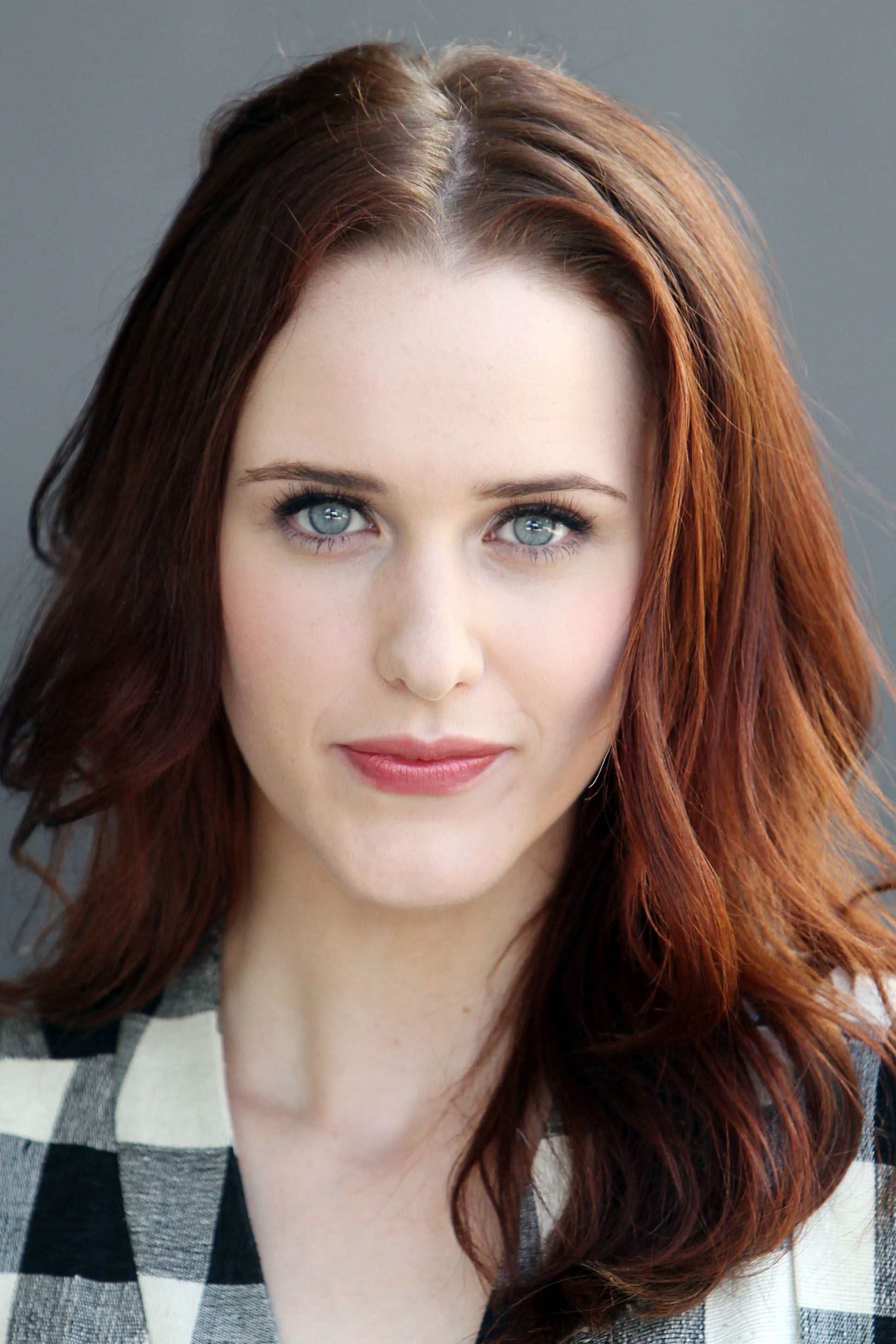
Casting adheres to established roles with no race- or gender-swaps of canon characters; Rachel Brosnahan portrays the female Midge and Alex Borstein the original Susie without departures. Audience and critic reception shows praise for the period comedy alongside targeted progressive critiques of insufficient intersectionality, but no widespread "go woke go broke" backlash or creator activist intent. These elements influence subplots and character growth without defining the core premise of comedic ambition and family dynamics.
Key Factors
- Midge's feminist 'have it all' career arc in historical 1960 context
- Episode 4 lesbian bar subplot addressing Susie's implied sexuality with resistance to forced outing
- Critiques of Midge's allyship regarding Shy Baldwin from prior season, highlighting intersectionality gaps
- Creator statements prioritizing story and strong women over messaging; no established-character casting changes
Methodology: Each score synthesizes audience discourse, critic and aggregator reception, and press coverage — weighed against the work itself, not any single source.
Pro BreakdownPro
Identity Politics & Racial Essentialism
Gender Ideology & LGBTQ+ Themes
DEI Casting & Representation Mandates
Preachiness & Message-First Agenda
Corporate & Creator Activism
See how this title scores across all 5 woke subcategories with detailed explanations.
Unlock with ProFrom $3/month · 3-day trial for $1
The Woke Report
A curated roundup of newly scored movies, shows, and games, with the context behind the scores. Free. Unsubscribe anytime.
Privacy policyDirected by
Is The Marvelous Mrs. Maisel - Season 4 Woke?
We've run a full content analysis on The Marvelous Mrs. Maisel - Season 4 and scored it 5/10 on the woke scale. Read our detailed breakdown above to see exactly what we found.
Frequently Asked Questions
What kind of woke content is in The Marvelous Mrs. Maisel - Season 4?
Our analysis checks for themes like identity politics, race-swapping, gender ideology, environmental activism, anti-religious messaging, and other progressive agenda elements. The score breakdown above shows which specific categories were flagged and how heavily they factor into The Marvelous Mrs. Maisel - Season 4's overall score.
Is The Marvelous Mrs. Maisel - Season 4 family-friendly?
Wokeometer focuses on ideological content rather than traditional ratings (violence, language, etc.). The Marvelous Mrs. Maisel - Season 4 is rated TV-MA. For a full picture, combine our woke analysis with the age rating to decide if it's right for your family.
How does Wokeometer score tv shows?
We evaluate media across multiple ideological categories on a 0–10 scale. Scores of 0–3 mean story-first, 4–6 have moderate elements, and 7–10 flag heavily agenda-driven content. Learn more about our methodology →