Shop this title
Shop this title
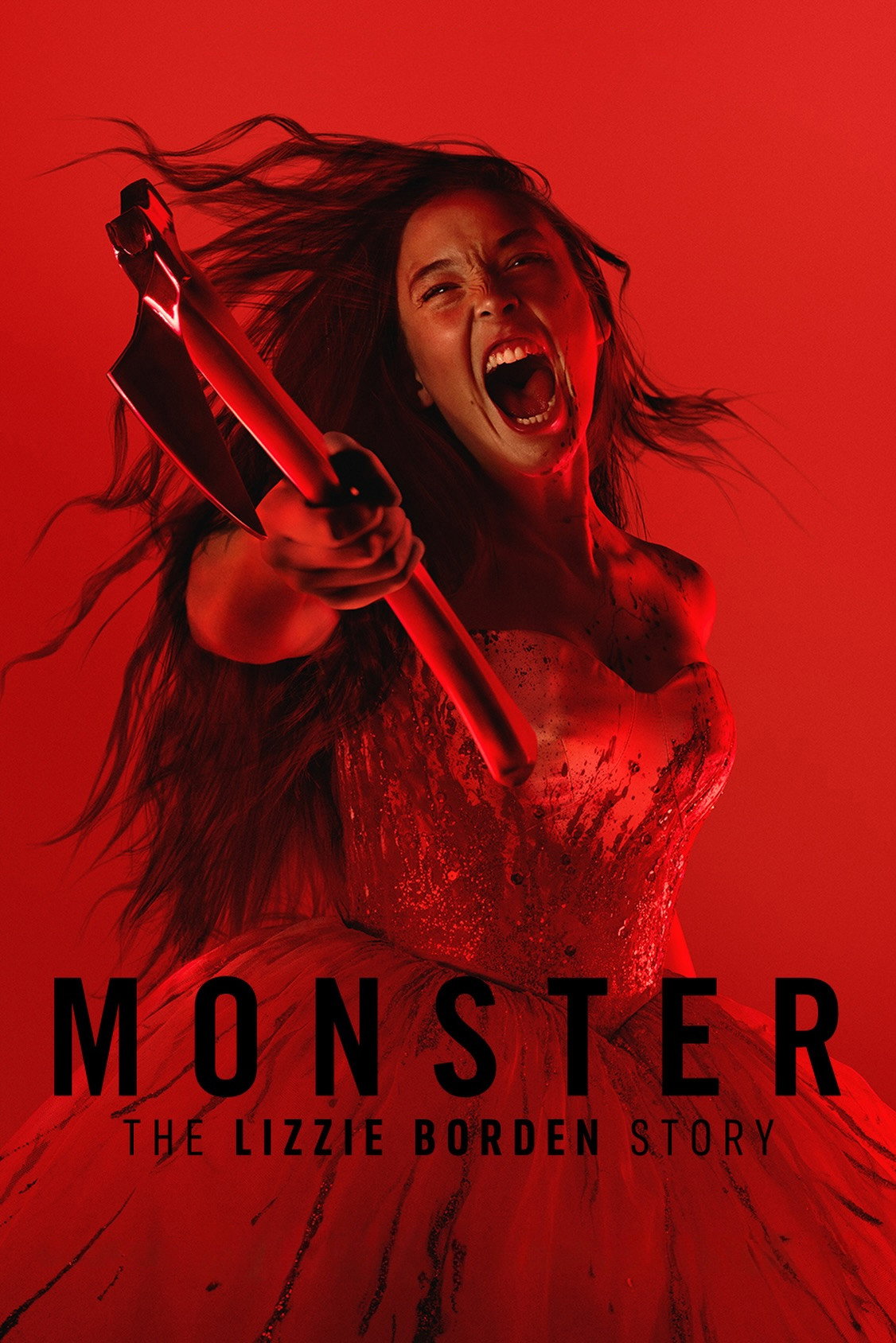
Monster: The Lizzie Borden Story
We may earn a commission from purchases through these links.
Digital video
Search US stores by format. Check the title and edition before buying.
Explore Prime Video — Opens in a new tab
Catalog availability and subscription terms vary.
From Monster: The Lizzie Borden Story
Monster: The Lizzie Borden Story - Season 1
tv·TV-MA·S1·Sep 17, 2026·
Shop
Shop this title
Monster: The Lizzie Borden Story
We may earn a commission from purchases through these links.
Digital video
Search US stores by format. Check the title and edition before buying.
Explore Prime Video — Opens in a new tab
Catalog availability and subscription terms vary.
← Back to Monster: The Lizzie Borden Story
Monster: The Lizzie Borden Story - Season 1
tv
TV-MA
Season 1
September 17, 2026
Wokeometer Rating
9Woke
Scale: 0 = not woke, 10 = maximally woke
TL;DR Verdict
This series fabricates a central lesbian romance and feminist empowerment arc to justify the Borden murders as resistance to patriarchy, sidelining history for explicit queer and progressive messaging. Skip it if you want factual true crime rather than ideological reframing.
Paid creator placementsFeature your article or video on this page
Detailed Analysis
The series places a fabricated lesbian relationship at the absolute center of its narrative, making the romance between Lizzie Borden and the maid Maggie the primary driver of the axe murders and all subsequent events.
This forces the story into explicit scenes of intimacy, including shared baths, the gifting of a vibrator, declarations of love, and joint murder plotting, all while later tying their reunion to suffrage marches. Such choices transform a historical crime into a vehicle for queer sexual liberation themes within a Victorian setting, sidelining factual accuracy in favor of ideological reframing. Creator statements explicitly position the production as a 'women-driven, feminist, lesbian' project centered on female rage and the breaking of traditional gender roles.
This intent manifests in the portrayal of the stepmother and father as symbols of patriarchal cruelty, with Lizzie's violence recast as an act of empowerment and self-actualization that allows her to emerge as a 'gloriously free' figure. The result is a heavy-handed imposition of modern progressive ideology that distorts the source material and prioritizes messaging over coherent storytelling or entertainment. Thematic centrality is overwhelming, with the murders themselves justified as resistance to systemic female oppression rather than explored through any neutral or historical lens. This approach risks alienating viewers seeking a straightforward true-crime account by injecting contemporary identity politics as the foundational premise.
Key Factors
- Central fictional lesbian romance between Lizzie and Maggie as primary plot foundation and character driver
- Explicit creator intent framing the show as 'women-driven, feminist, lesbian' with focus on female rage and breaking Victorian gender cages
- Thematic reframing of murders as empowerment against patriarchal tradition and systemic female oppression
Methodology: Each score synthesizes audience discourse, critic and aggregator reception, and press coverage — weighed against the work itself, not any single source.
Detailed BreakdownPro
Identity Politics & Racial Essentialism
Gender Ideology & LGBTQ+ Themes
DEI Casting & Representation Mandates
Preachiness & Message-First Agenda
Corporate & Creator Activism
See how this title scores across all 5 woke subcategories with detailed explanations.
Unlock with ProFrom $3/month · 3-day trial for $1
The Woke Report
A curated roundup of newly scored movies, shows, and games, with the context behind the scores. Free. Unsubscribe anytime.
Privacy policyDirected by
Is Monster: The Lizzie Borden Story - Season 1 Woke?
We've run a full content analysis on Monster: The Lizzie Borden Story - Season 1 and scored it 9/10 on the woke scale. Read our detailed breakdown above to see exactly what we found.
Audience Fit is the inverse of the community's average woke rating of 9/10: the less woke our audience finds a title, the more stars it earns. Based on 3 audience ratings.
Frequently Asked Questions
What kind of woke content is in Monster: The Lizzie Borden Story - Season 1?
Our analysis checks for themes like identity politics, race-swapping, gender ideology, environmental activism, anti-religious messaging, and other progressive agenda elements. The score breakdown above shows which specific categories were flagged and how heavily they factor into Monster: The Lizzie Borden Story - Season 1's overall score.
Is Monster: The Lizzie Borden Story - Season 1 family-friendly?
Wokeometer focuses on ideological content rather than traditional ratings (violence, language, etc.). Monster: The Lizzie Borden Story - Season 1 is rated TV-MA. For a full picture, combine our woke analysis with the age rating to decide if it's right for your family.
How does Wokeometer score tv shows?
We evaluate media across multiple ideological categories on a 0–10 scale. Scores of 0–3 mean story-first, 4–6 have moderate elements, and 7–10 flag heavily agenda-driven content. Learn more about our methodology →