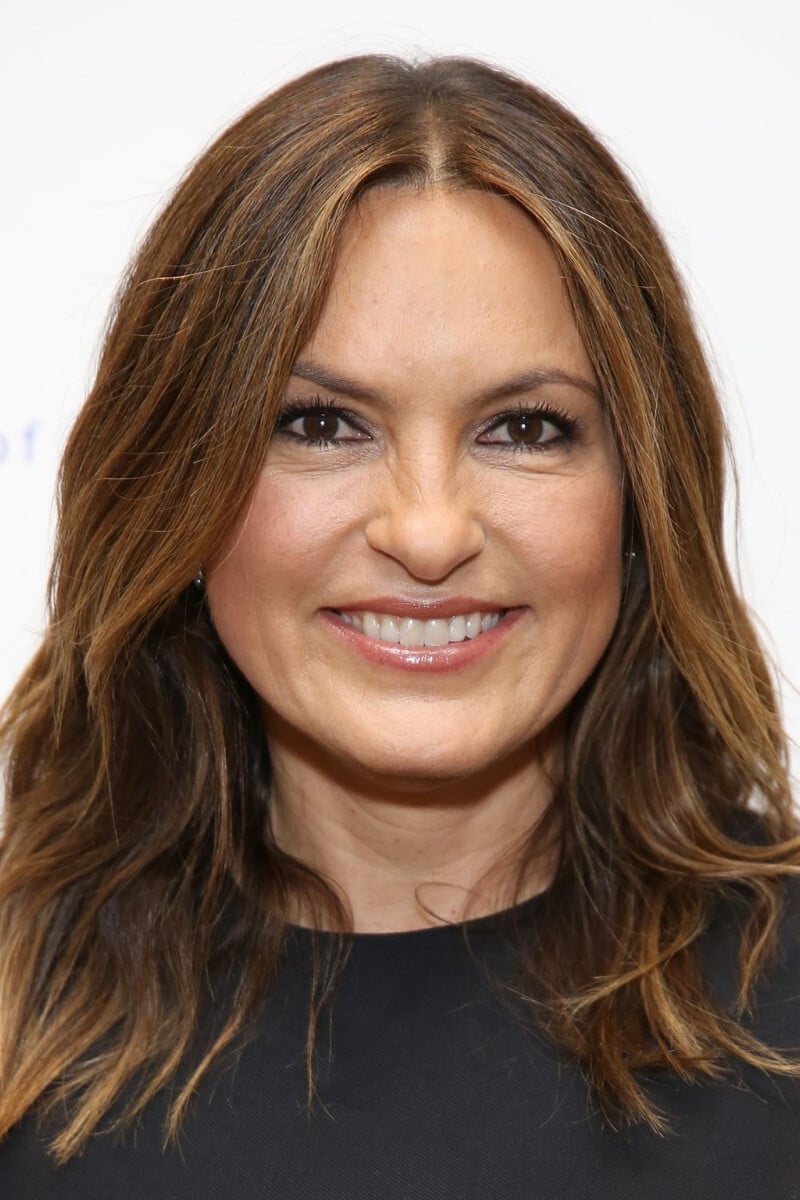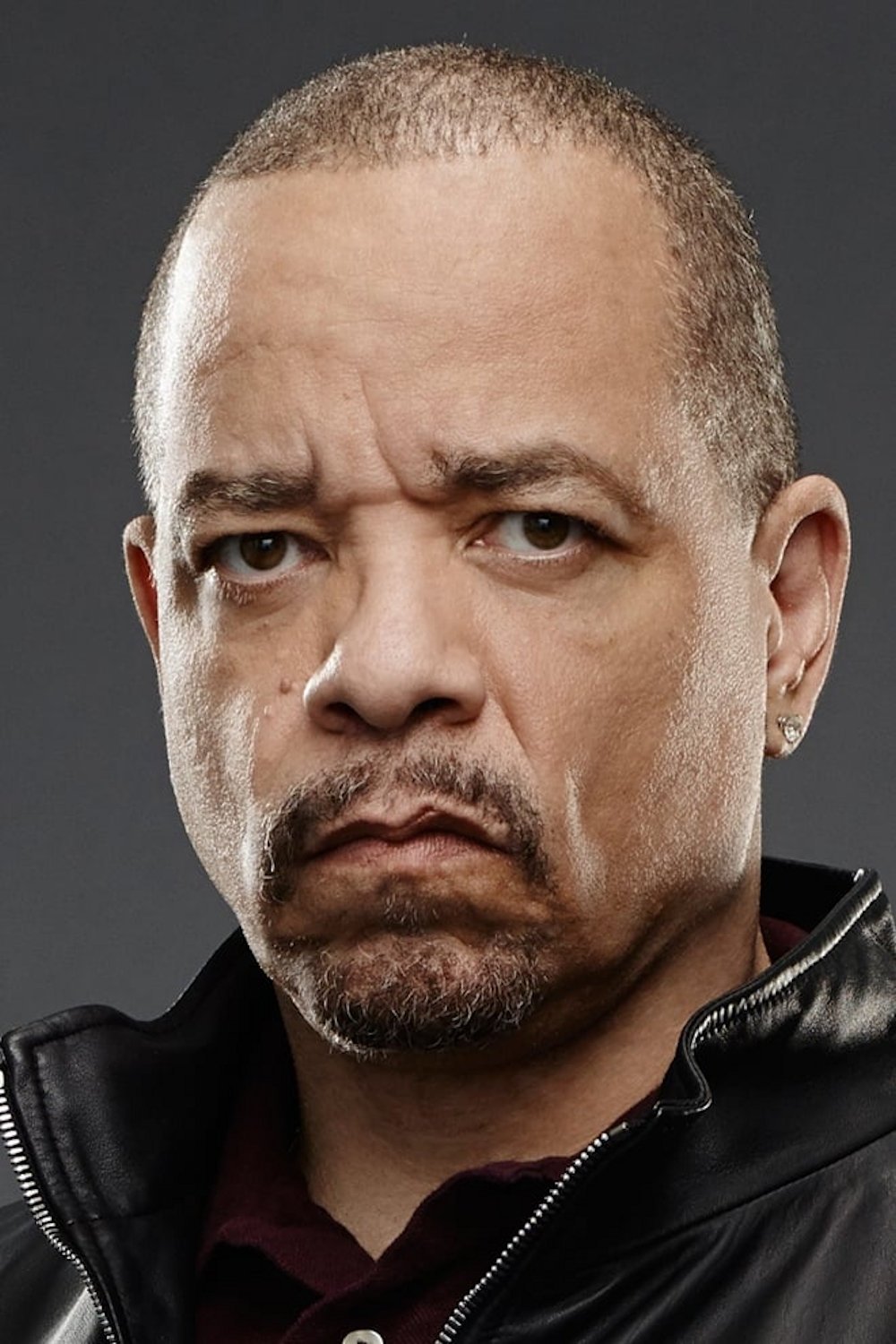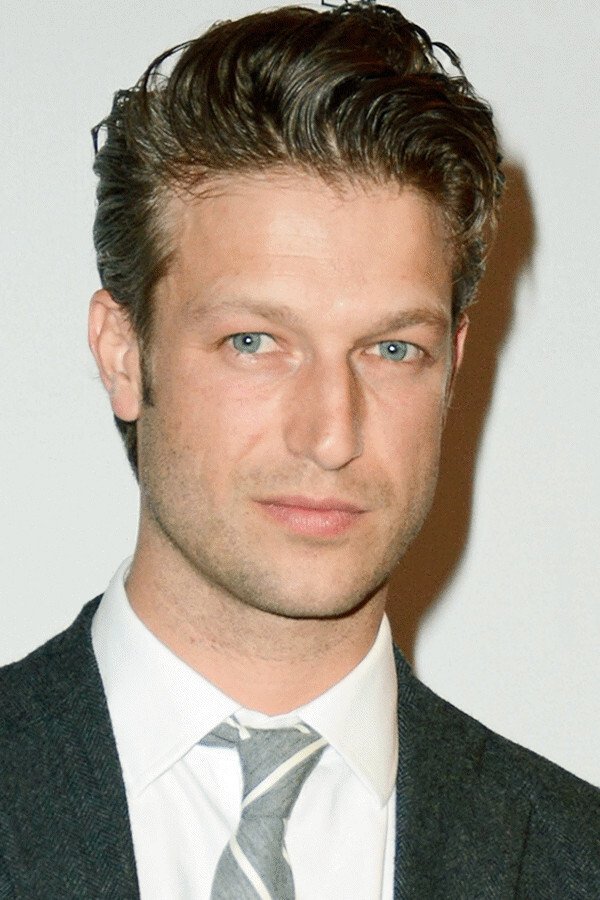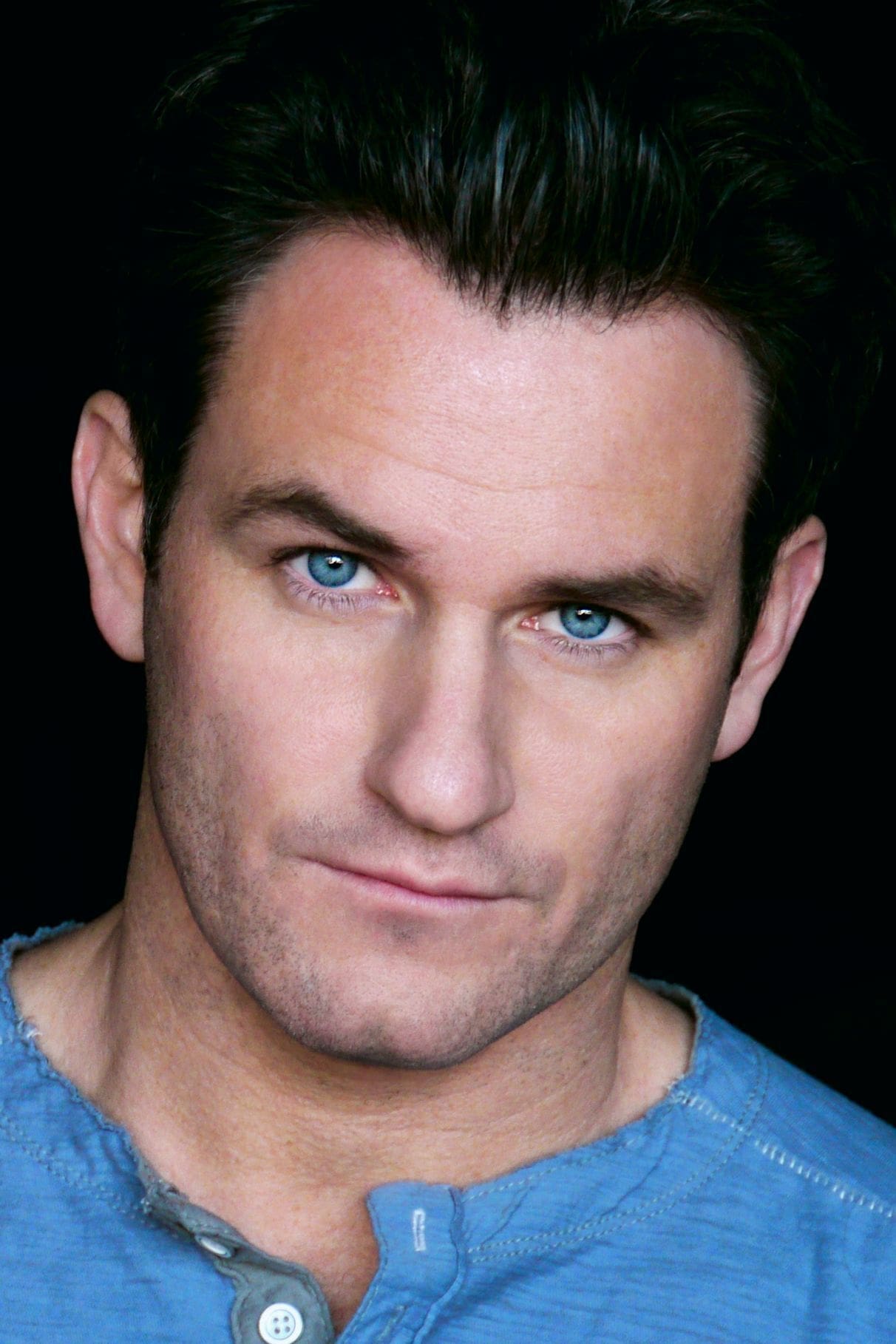
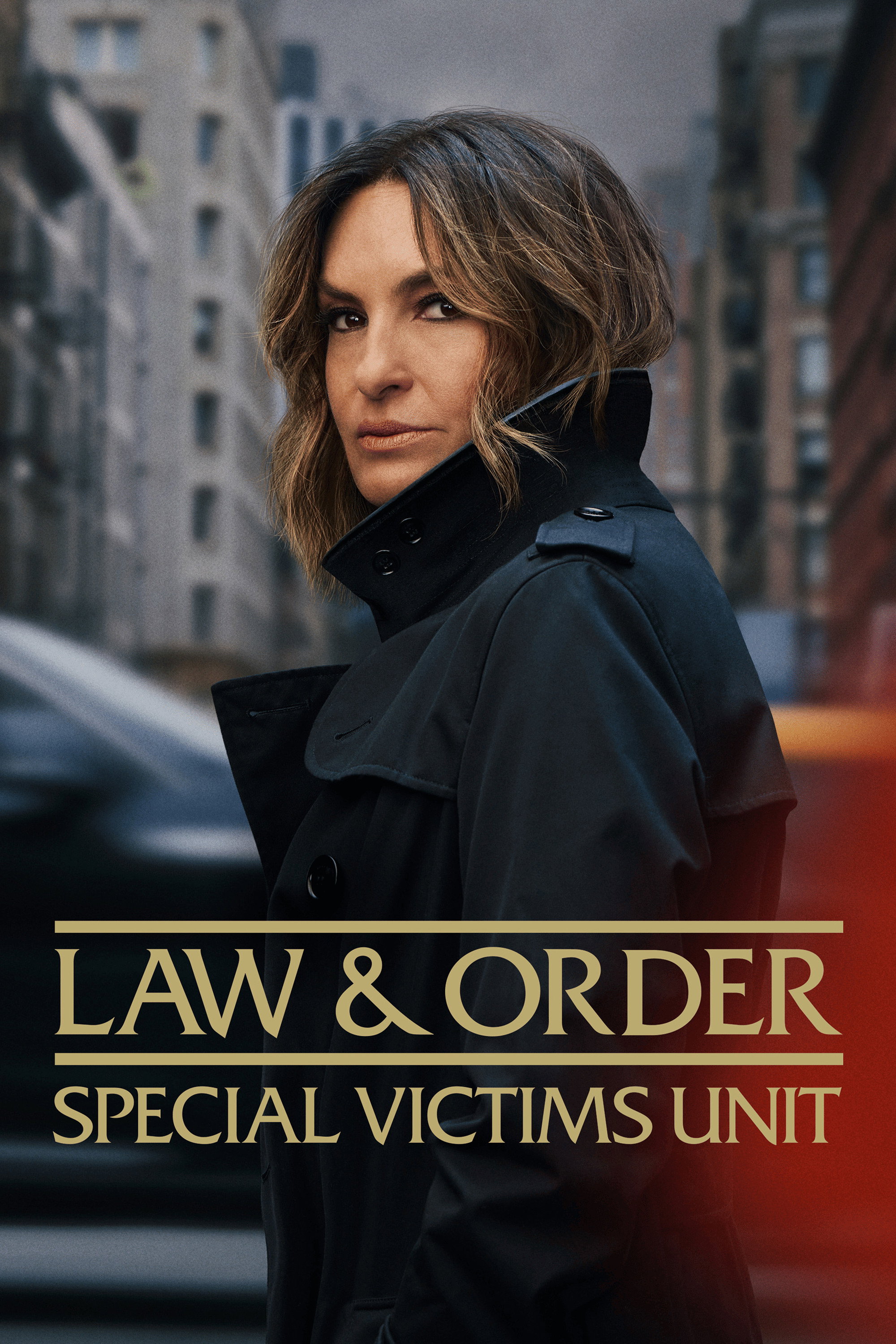
From Law & Order: Special Victims Unit
Law & Order: Special Victims Unit - Season 28
tv·TV-14·S28·Oct 8, 2026
← Back to Law & Order: Special Victims Unit
Law & Order: Special Victims Unit - Season 28
tv
TV-14
Season 28
October 8, 2026
Wokeometer Rating
3Based
Scale: 0 = not woke, 10 = maximally woke
TL;DR Verdict
SVU Season 28 sticks to its traditional procedural format, using consent laws and investigative errors as plot drivers within standard victim-advocacy cases rather than identity-based or systemic oppression framing. No canon character changes or activist mandates appear, keeping the focus on detective work and courtroom resolutions.
Paid creator placementsFeature your article or video on this page
Detailed Analysis
Law & Order: SVU Season 28 continues the series' long-running procedural format centered on sexual assault investigations and courtroom justice.
The premiere episode "Volition" focuses on a consent law loophole involving voluntary intoxication, with Benson pursuing aggressive tactics that strain her partnership with Carisi, while new ADA Aidan Hawkins joins as an original character motivated by empathy and future political goals. Subsequent episodes like "Anonymity" target dark web child exploitation and "Obedience" revisit an old wrongful conviction case, emphasizing personal accountability and systemic flaws through standard detective work rather than identity-based framing.
Casting remains consistent with prior seasons, featuring returning performers in their established roles without alterations to canon characters' race, gender, or sexuality. The addition of Hawkins represents organic expansion rather than a swap of pre-existing figures. Diverse supporting players appear in line with the show's New York setting and multi-decade ensemble, but these elements do not drive plots or serve as focal statements.
Thematic content addresses timely legal issues such as consent definitions and past investigative errors, yet these function as plot catalysts within the victim-advocacy framework that has defined SVU since 1999. No episodes center queer relationships, systemic oppression narratives as primary drivers, or creator-mandated activism. Audience and critic responses highlight character arcs and case resolutions over ideological messaging, aligning with traditional crime drama conventions rather than contemporary social justice activism.
Key Factors
- Consistent casting of established characters without race/gender/sexuality alterations
- Plots driven by consent laws, child exploitation cases, and old convictions as procedural elements
- New original ADA character introduced without displacing canon roles or emphasizing identity politics
Methodology: Each score synthesizes audience discourse, critic and aggregator reception, and press coverage — weighed against the work itself, not any single source.
Pro BreakdownPro
Identity Politics & Racial Essentialism
Gender Ideology & LGBTQ+ Themes
DEI Casting & Representation Mandates
Preachiness & Message-First Agenda
Corporate & Creator Activism
See how this title scores across all 5 woke subcategories with detailed explanations.
Unlock with ProFrom $3/month · 3-day trial for $1
The Woke Report
A curated roundup of newly scored movies, shows, and games, with the context behind the scores. Free. Unsubscribe anytime.
Privacy policyDirected by
2 more directors
Is Law & Order: Special Victims Unit - Season 28 Woke?
We've run a full content analysis on Law & Order: Special Victims Unit - Season 28 and scored it 3/10 on the woke scale. Read our detailed breakdown above to see exactly what we found.
Frequently Asked Questions
What kind of woke content is in Law & Order: Special Victims Unit - Season 28?
Our analysis checks for themes like identity politics, race-swapping, gender ideology, environmental activism, anti-religious messaging, and other progressive agenda elements. The score breakdown above shows which specific categories were flagged and how heavily they factor into Law & Order: Special Victims Unit - Season 28's overall score.
Is Law & Order: Special Victims Unit - Season 28 family-friendly?
Wokeometer focuses on ideological content rather than traditional ratings (violence, language, etc.). Law & Order: Special Victims Unit - Season 28 is rated TV-14. For a full picture, combine our woke analysis with the age rating to decide if it's right for your family.
How does Wokeometer score tv shows?
We evaluate media across multiple ideological categories on a 0–10 scale. Scores of 0–3 mean story-first, 4–6 have moderate elements, and 7–10 flag heavily agenda-driven content. Learn more about our methodology →