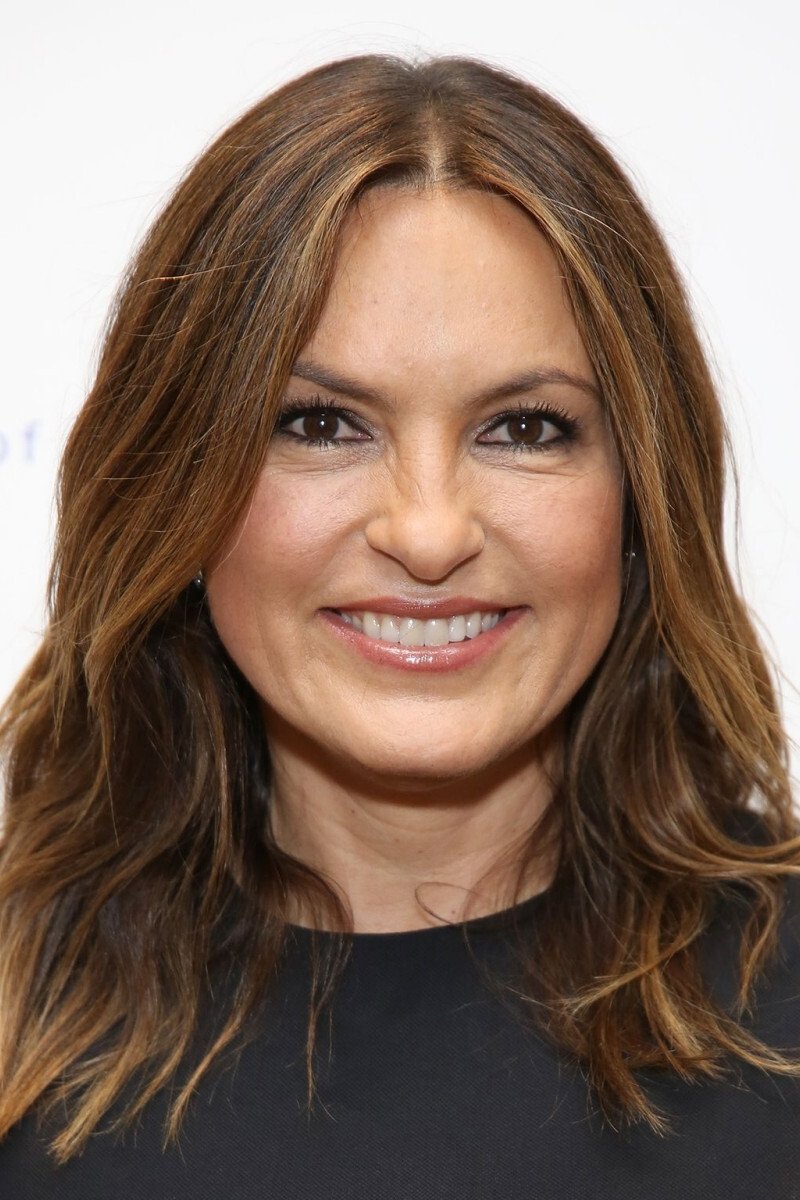
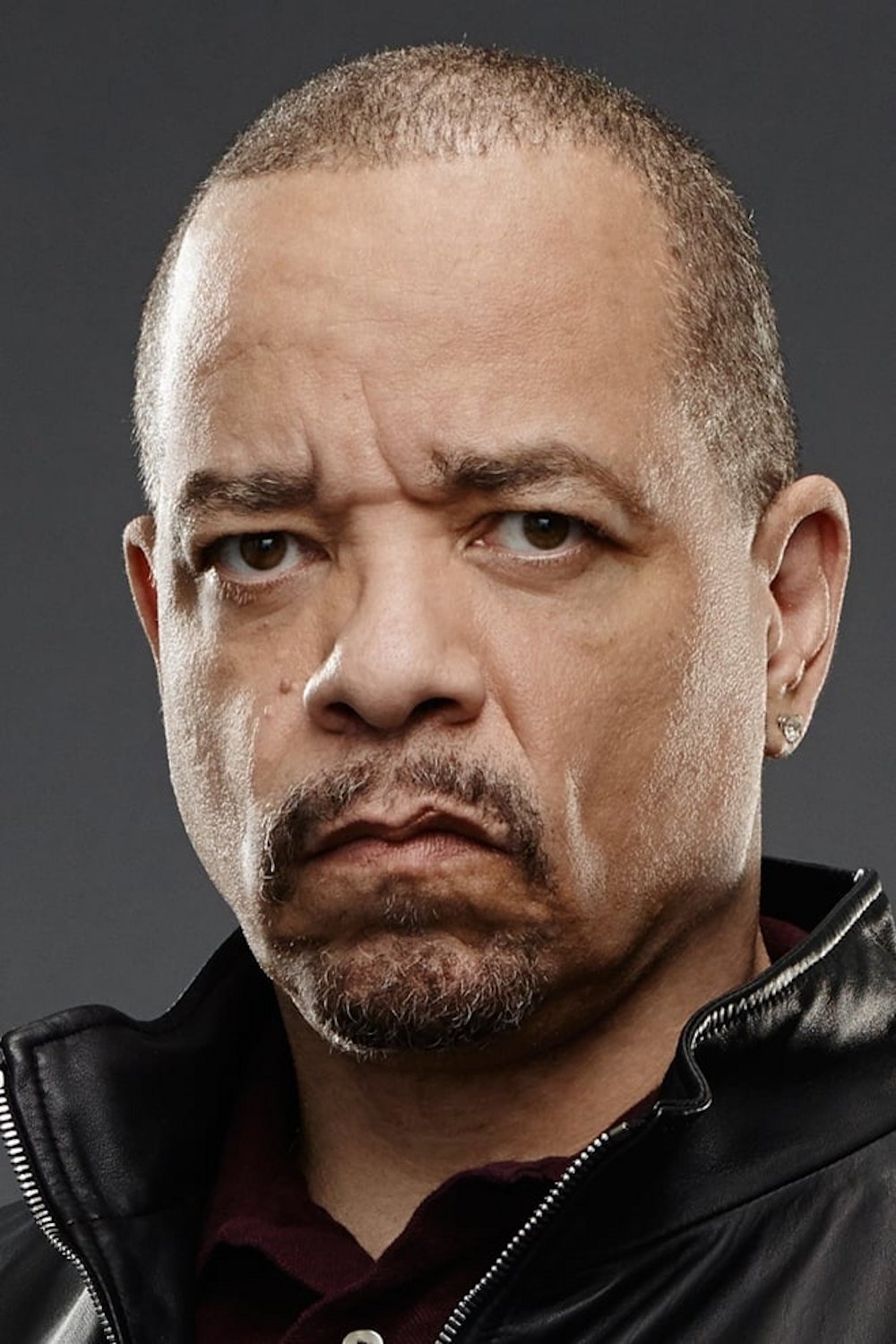
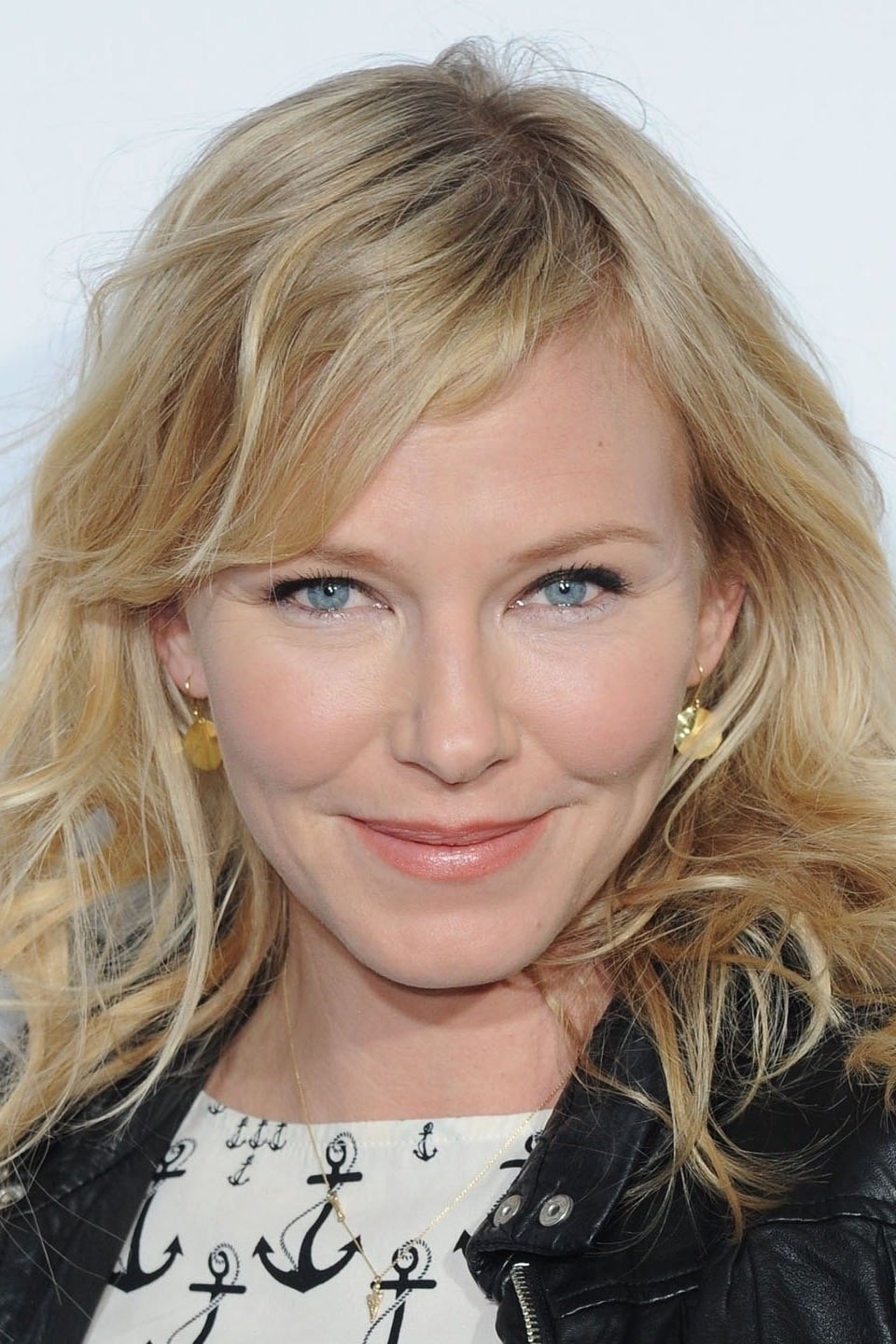
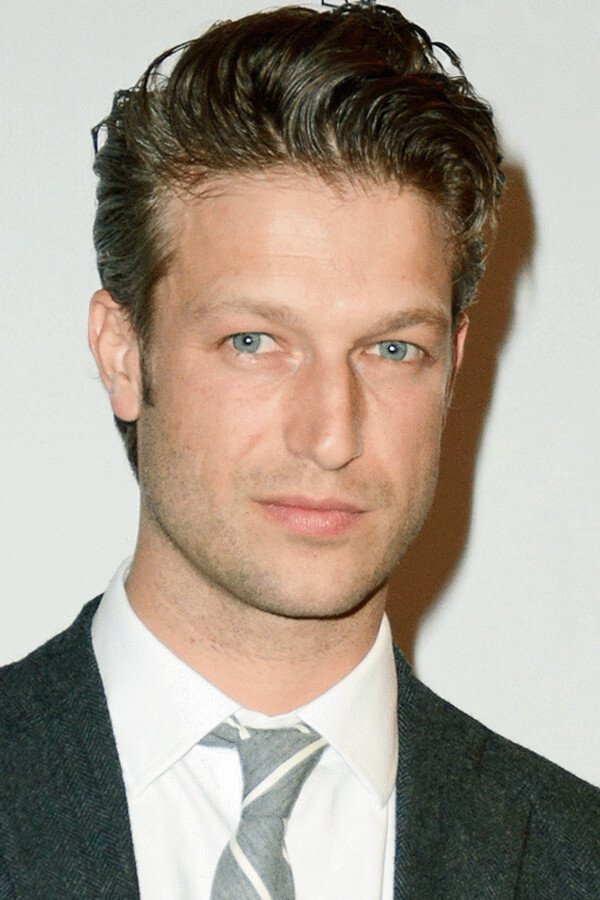
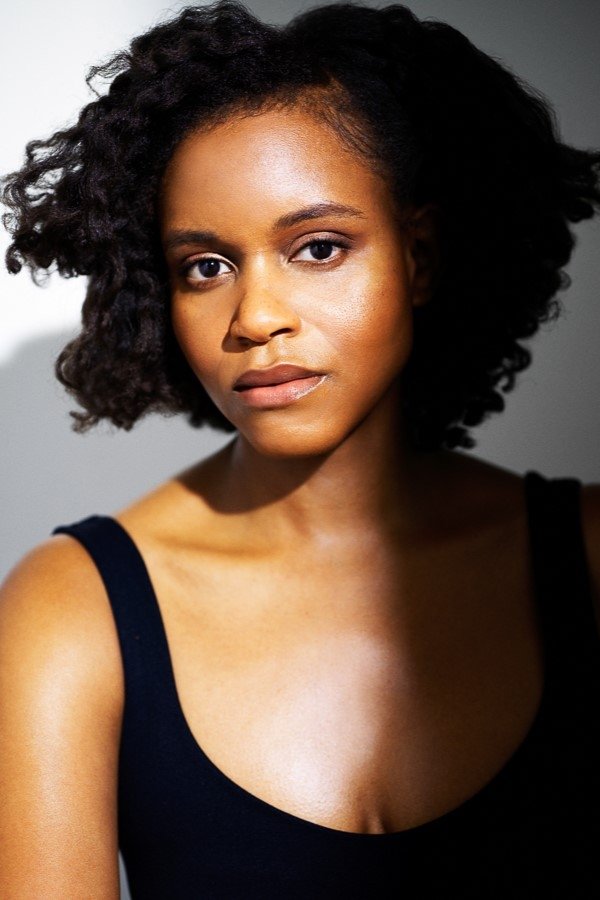
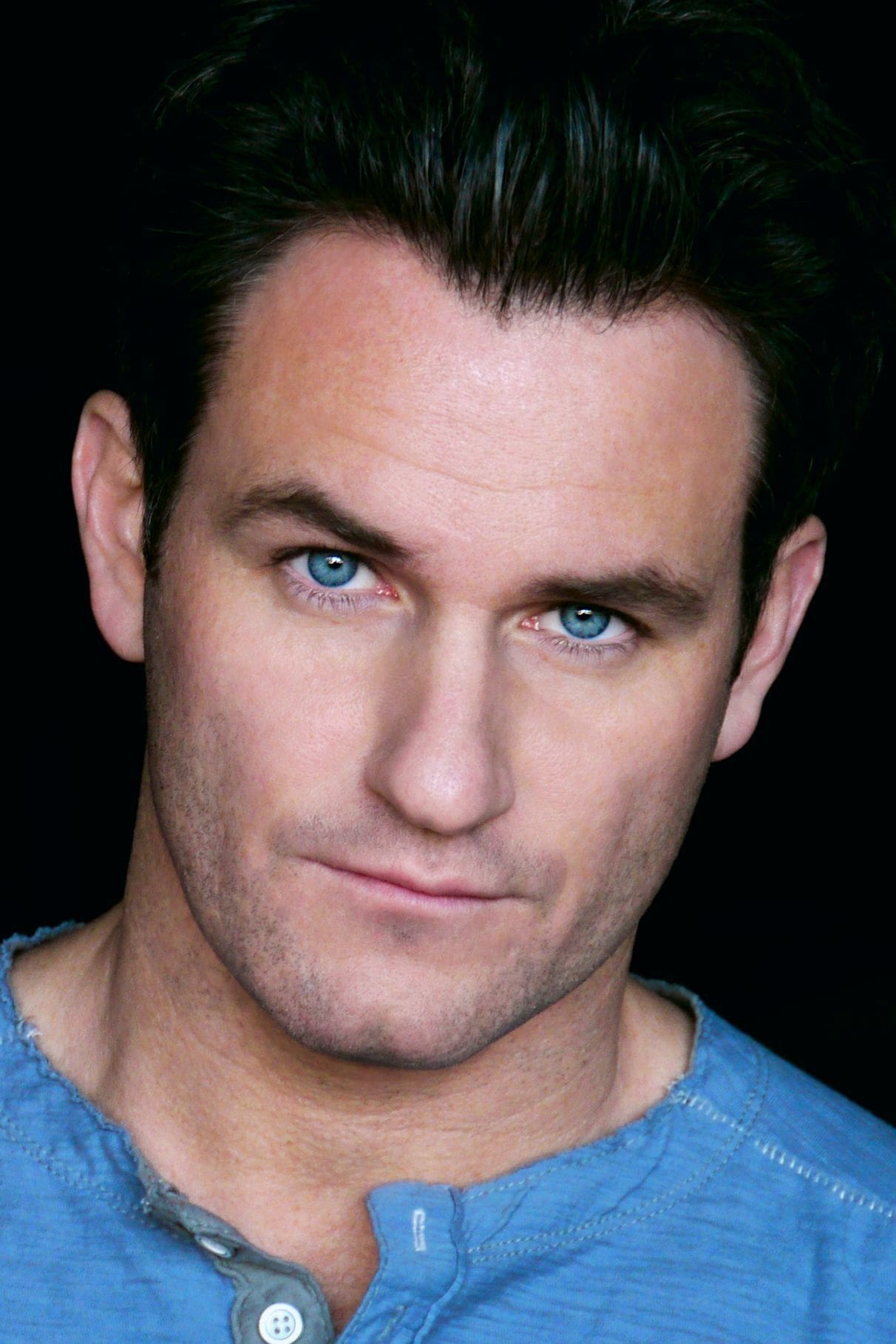
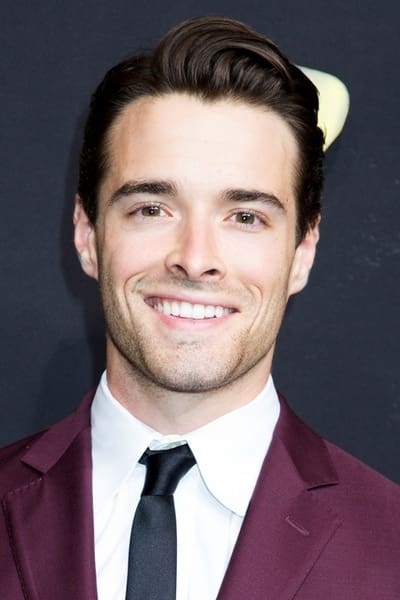
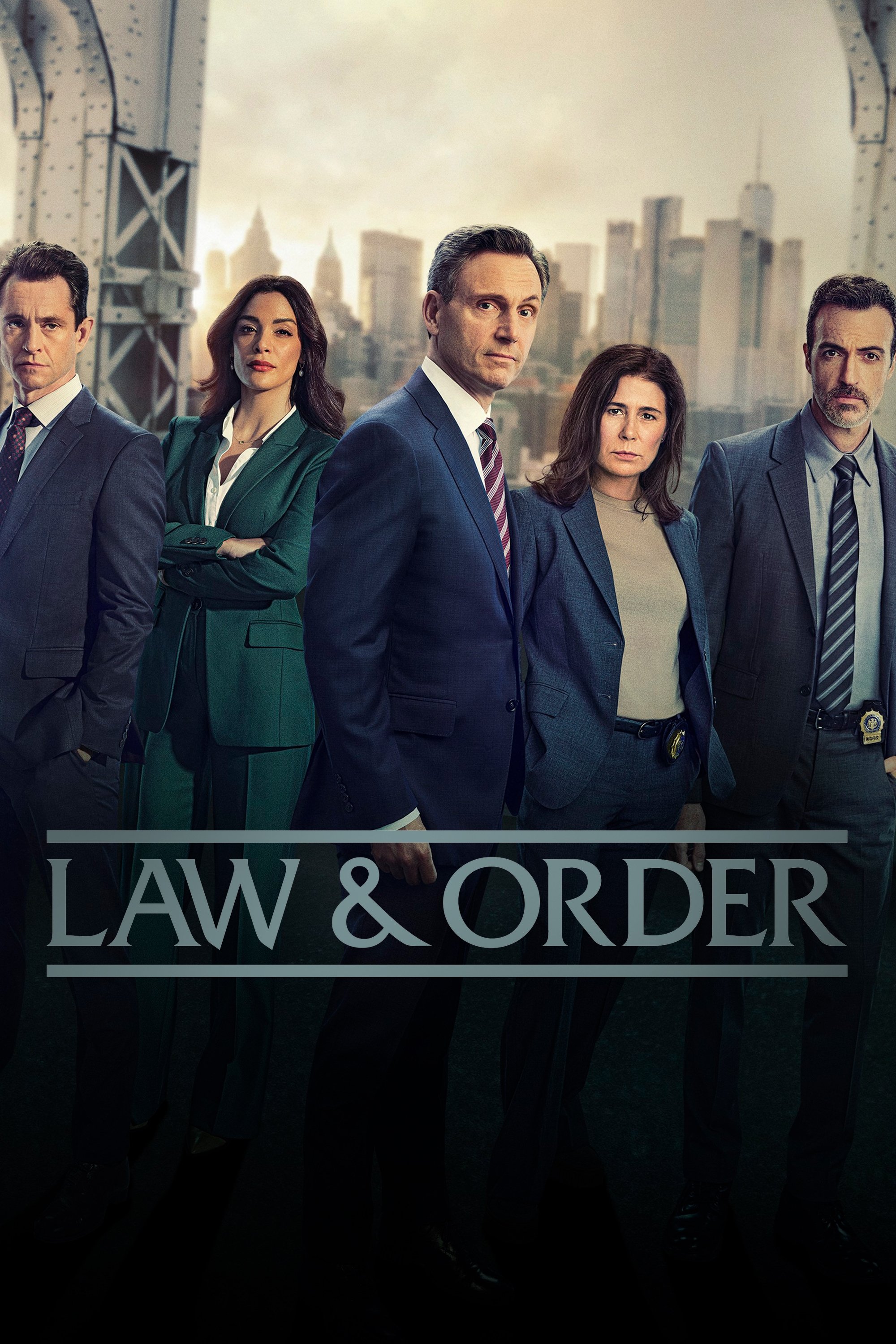
From Law & Order: Special Victims Unit
SVU S1: Mildly progressive for 1999 with feminist leads, organic diversity, and issue-of-the-day episodes, but no preachy wokeness—pure headline-driven thrills over identity lectures.
Law & Order: SVU Season 1, airing in 1999-2000, incorporates minor progressive elements through its core focus on sex crimes and victim advocacy, reflecting early feminist influences like strong female lead Olivia Benson (motivated by her mother's rape) and episodes addressing institutional cover-ups, homophobia (e.g., gay man's murder tied to family bias), religious hypocrisy (Christian right leader's family scandal), and social issues like human trafficking, campus rape, and online predation.
Casting includes organic diversity with black female detective Monique Jeffries (Michelle Hurd) joining mid-season and guest stars like Al Sharpton, alongside international victims (Serbian, Russian, Romanian), but the main cast is predominantly white and straight, with no race/gender/sexuality swaps or forced inclusions clashing with the procedural format. Production notes highlight more female writers for a 'strong woman's perspective,' but storytelling prioritizes ripping headlines for entertainment over lectures or systemic critiques, often portraying perps as individual villains rather than societal structures.
No creator-stated activist intent for Season 1, no DEI mandates (pre-dating that era), and reception praised taboo-confronting narratives without political backlash; modern rewatches note dated stereotypes (e.g., LGBTQ+ male victims reinforcing weakness, early trans terminology issues) rather than 'woke' excess. Overall, progressive touches feel incidental and era-appropriate, not dominating or aligned with contemporary identity politics.
Methodology: Each score synthesizes audience discourse, critic and aggregator reception, and press coverage — weighed against the work itself, not any single source.
See how this title scores across all 5 woke subcategories with detailed explanations.
Unlock with ProFrom $3/month · 3-day trial for $1
Every Friday: the week's most ideologically-loaded releases, scored — with the breakdown the headlines skip. Free, no spam, unsubscribe anytime.
We've run a full content analysis on Law & Order: Special Victims Unit - Season 1 and scored it 3/10 on the woke scale. Read our detailed breakdown above to see exactly what we found.
Our analysis checks for themes like identity politics, race-swapping, gender ideology, environmental activism, anti-religious messaging, and other progressive agenda elements. The score breakdown above shows which specific categories were flagged and how heavily they factor into Law & Order: Special Victims Unit - Season 1's overall score.
Wokeometer focuses on ideological content rather than traditional ratings (violence, language, etc.). Law & Order: Special Victims Unit - Season 1 is rated TV-14. For a full picture, combine our woke analysis with the age ratingto decide if it's right for your family.
We evaluate media across multiple ideological categories on a 0–10 scale. Scores of 0–3 mean story-first, 4–6 have moderate elements, and 7–10 flag heavily agenda-driven content. Learn more about our methodology →
No reviews yet
Be the first to share what you thought of Law & Order: Special Victims Unit - Season 1.
Similar titles you might enjoy