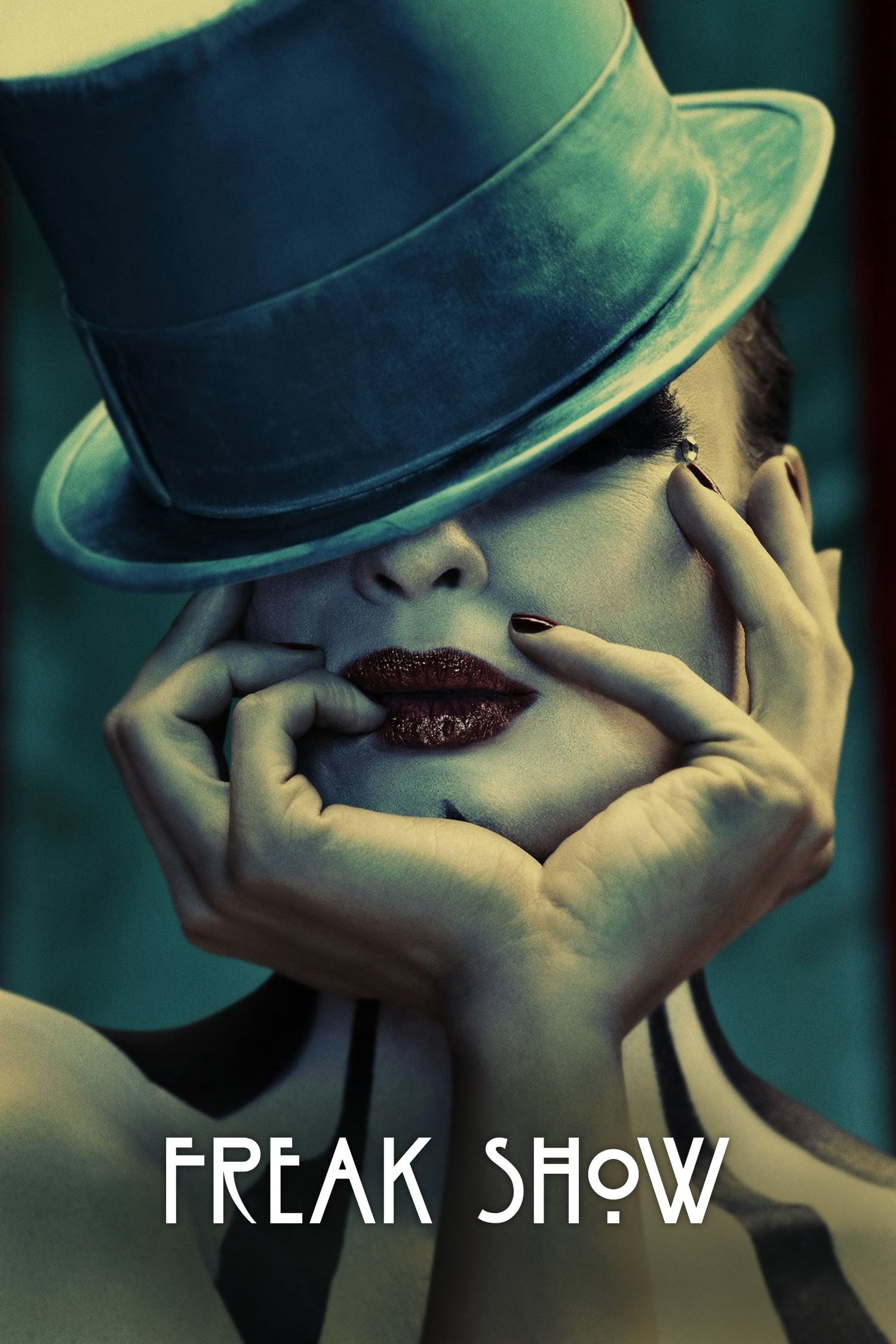
AHS Freak Show weaves progressive casting (disabilities, trans, queer) and outsider acceptance themes organically into its 1950s horror premise, without preachiness derailing the gore and camp.
American Horror Story: Freak Show features noticeable progressive elements through its casting choices and thematic focus on outsider acceptance and discrimination, but these do not overwhelm the core horror anthology storytelling.
The season prominently casts actors with real disabilities (e.g., Jyoti Amge as Ma Petite, Matthew Schultz with Ehlers-Danlos syndrome) and a transgender actress (Erika Ervin as Amazon Eve), alongside racial diversity like Angela Bassett as the three-breasted hermaphrodite Desiree Dupree, emphasizing representation of marginalized bodies in a 1950s freak show context that feels somewhat organic to the premise. Queer representation is significant, with closeted gay strongman Dell Toledo's tragic arc, pansexual killer Dandy Mott, and Amazon Eve's storyline highlighting non-traditional identities and unconventional gender performances.
Themes revolve around societal rejection of 'freaks,' internalized discrimination even among outcasts, and the idea that 'normal' people harbor the true monstrosity, serving as social commentary on ableism, otherness, and community among the marginalized. Ryan Murphy intentionally addressed discriminated populations, casting for diversity and inclusion ahead of its time in 2014.
However, reception was mixed due to horror execution flaws like pacing and overkill rather than ideological intrusion; left-leaning critiques accused it of exploitative voyeurism and ableism that ultimately flatters able-bodied viewers, while no widespread anti-woke backlash emerged. These elements influence character arcs and subplots without derailing the gore, camp, and murders into overt lecturing, keeping entertainment value intact amid the progressive undercurrents.
Methodology: Each score synthesizes audience discourse, critic and aggregator reception, and press coverage — weighed against the work itself, not any single source.
See how this title scores across all 5 woke subcategories with detailed explanations.
Unlock with ProFrom $3/month · 3-day trial for $1
Every Friday: the week's most ideologically-loaded releases, scored — with the breakdown the headlines skip. Free, no spam, unsubscribe anytime.
We've run a full content analysis on American Horror Story - Season 4 and scored it 6/10 on the woke scale. Read our detailed breakdown above to see exactly what we found.
Our analysis checks for themes like identity politics, race-swapping, gender ideology, environmental activism, anti-religious messaging, and other progressive agenda elements. The score breakdown above shows which specific categories were flagged and how heavily they factor into American Horror Story - Season 4's overall score.
Wokeometer focuses on ideological content rather than traditional ratings (violence, language, etc.). American Horror Story - Season 4 is rated TV-MA. For a full picture, combine our woke analysis with the age ratingto decide if it's right for your family.
We evaluate media across multiple ideological categories on a 0–10 scale. Scores of 0–3 mean story-first, 4–6 have moderate elements, and 7–10 flag heavily agenda-driven content. Learn more about our methodology →
Similar titles you might enjoy
No reviews yet
Be the first to share what you thought of American Horror Story - Season 4.