Box Office
Hit · 10.3xBudget$8.5M
Worldwide Gross$87.5M
Train to Busan
movie·NR·Jul 20, 2016·
Box OfficeHit · 10.3x
$8.5M
Budget
$87.5M
Gross
Train to Busan
movie
NR
July 20, 2016
Wokeometer Rating
2Based
Scale: 0 = not woke, 10 = maximally woke
TL;DR Verdict
Train to Busan scores a low 2/10 on wokeness because its themes of selfishness versus self-sacrifice and incidental class tensions emerge organically from the zombie survival premise and character arcs. The film centers traditional redemption, family protection, and unity against threats with no activist framing or identity-driven changes.
Paid creator placementsFeature your article or video on this page
Detailed Analysis
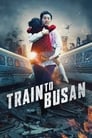
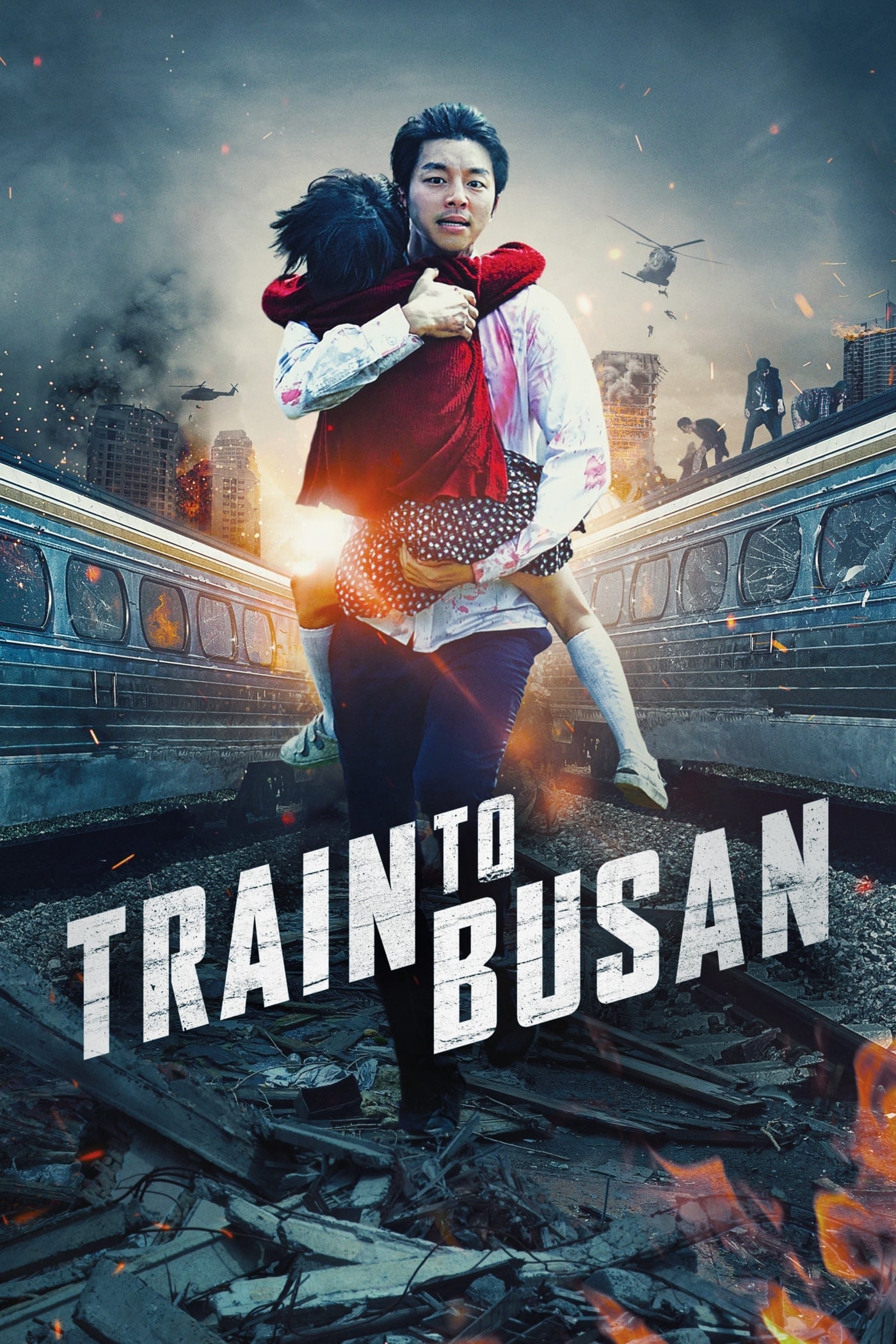
Train to Busan is a 2016 South Korean zombie horror film centered on passengers fighting for survival on a train during an outbreak.
The core story follows workaholic father Seok-woo and his young daughter Su-an as he redeems himself through sacrifice and protection, alongside other passengers including a pregnant woman, her husband, and a selfish executive who prioritizes himself. Themes include human selfishness versus self-sacrifice, class tensions on the train symbolizing broader societal gaps, and government mishandling of crises, drawing loose allegory to real events like the Sewol ferry disaster. These elements emerge organically from the survival premise and character arcs rather than serving as ideological messaging.
Casting features an all-Korean ensemble in an authentic Korean setting with no race, gender, or sexuality changes to any established characters, as the story is entirely original. Female characters such as the daughter and pregnant wife fulfill narrative roles tied to family and vulnerability without forced framing. Director Yeon Sang-ho has described the film as blending action, drama, and emotion to explore human nature, with no statements emphasizing activism, identity politics, or norm-challenging intent.
Reception highlights its effective mix of horror, heart, and subtle social observation without significant controversy over progressive elements. The film prioritizes traditional storytelling tropes of redemption, unity against threats, and personal growth over any centrality of contemporary social justice frameworks. Minor class commentary exists but remains incidental to the zombie survival drive and does not elevate the score.
Key Factors
- Original story with no established-character casting changes
- Themes of family redemption, self-sacrifice, and class allegory integrated into horror survival without identity politics focus
- Director emphasis on emotional drama and human nature rather than activist messaging
- Authentic Korean cast and setting with no DEI-driven alterations
Methodology: Each score synthesizes audience discourse, critic and aggregator reception, and press coverage — weighed against the work itself, not any single source.
Pro BreakdownPro
Identity Politics & Racial Essentialism
Gender Ideology & LGBTQ+ Themes
DEI Casting & Representation Mandates
Preachiness & Message-First Agenda
Corporate & Creator Activism
See how this title scores across all 5 woke subcategories with detailed explanations.
Unlock with ProFrom $3/month · 3-day trial for $1
The Woke Report
A curated roundup of newly scored movies, shows, and games, with the context behind the scores. Free. Unsubscribe anytime.
Privacy policyDirected by
Is Train to Busan Woke?
We've run a full content analysis on Train to Busan and scored it 2/10 on the woke scale. Read our detailed breakdown above to see exactly what we found.
Frequently Asked Questions
What kind of woke content is in Train to Busan?
Our analysis checks for themes like identity politics, race-swapping, gender ideology, environmental activism, anti-religious messaging, and other progressive agenda elements. The score breakdown above shows which specific categories were flagged and how heavily they factor into Train to Busan's overall score.
Is Train to Busan family-friendly?
Wokeometer focuses on ideological content rather than traditional ratings (violence, language, etc.). Train to Busan is rated NR. For a full picture, combine our woke analysis with the age rating to decide if it's right for your family.
How does Wokeometer score movies?
We evaluate media across multiple ideological categories on a 0–10 scale. Scores of 0–3 mean story-first, 4–6 have moderate elements, and 7–10 flag heavily agenda-driven content. Learn more about our methodology →