Box Office
Underperformed · 1.1xBudget$8M
Worldwide Gross$8.6M
Shop this title
Shop this title
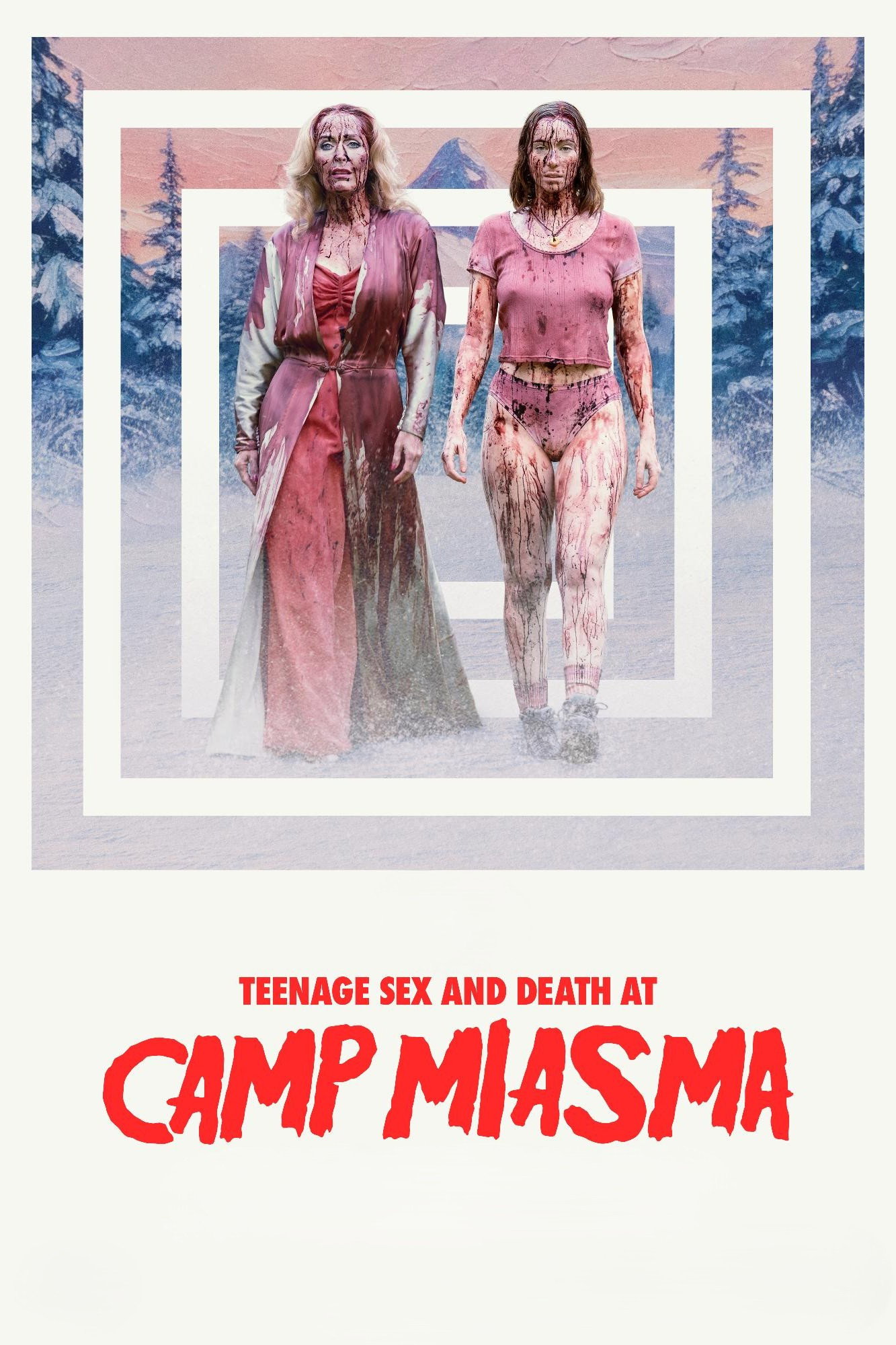
Teenage Sex and Death at Camp Miasma
We may earn a commission from purchases through these links.
Digital video
Search US stores by format. Check the title and edition before buying.
Explore Prime Video — Opens in a new tab
Catalog availability and subscription terms vary.
Teenage Sex and Death at Camp Miasma
movie·R·Aug 21, 2026·
Box OfficeUnderperformed · 1.1x
$8M
Budget
$8.6M
Gross
Shop
Shop this title
Teenage Sex and Death at Camp Miasma
We may earn a commission from purchases through these links.
Digital video
Search US stores by format. Check the title and edition before buying.
Explore Prime Video — Opens in a new tab
Catalog availability and subscription terms vary.
Teenage Sex and Death at Camp Miasma
movie
R
August 21, 2026
Wokeometer Rating
9Woke
1/10
Scale: 0 = not woke, 10 = maximally woke
TL;DR Verdict
This reboot buries its slasher story under nonstop progressive messaging on identity, consent, and dismantling traditional norms, earning a 9/10 woke score that signals it's best avoided.
Paid creator placementsFeature your article or video on this page
Detailed Analysis
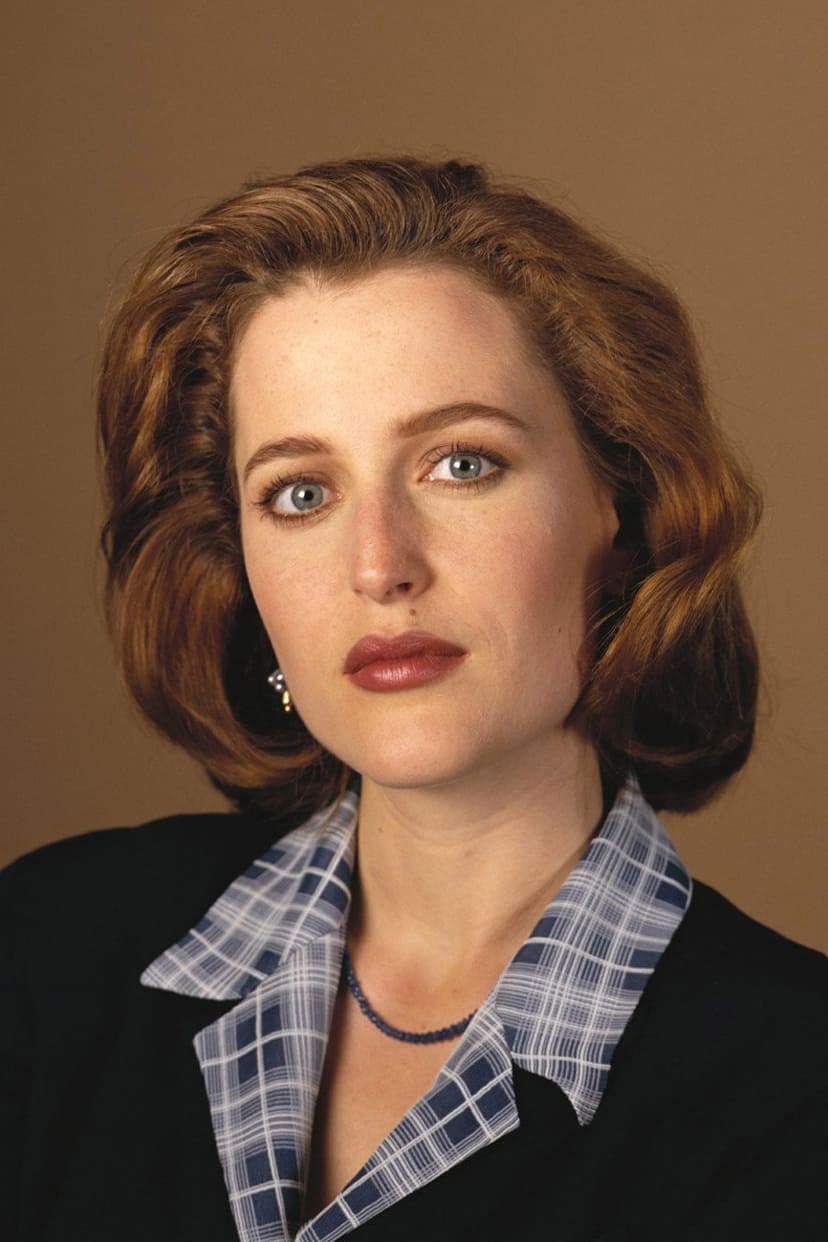
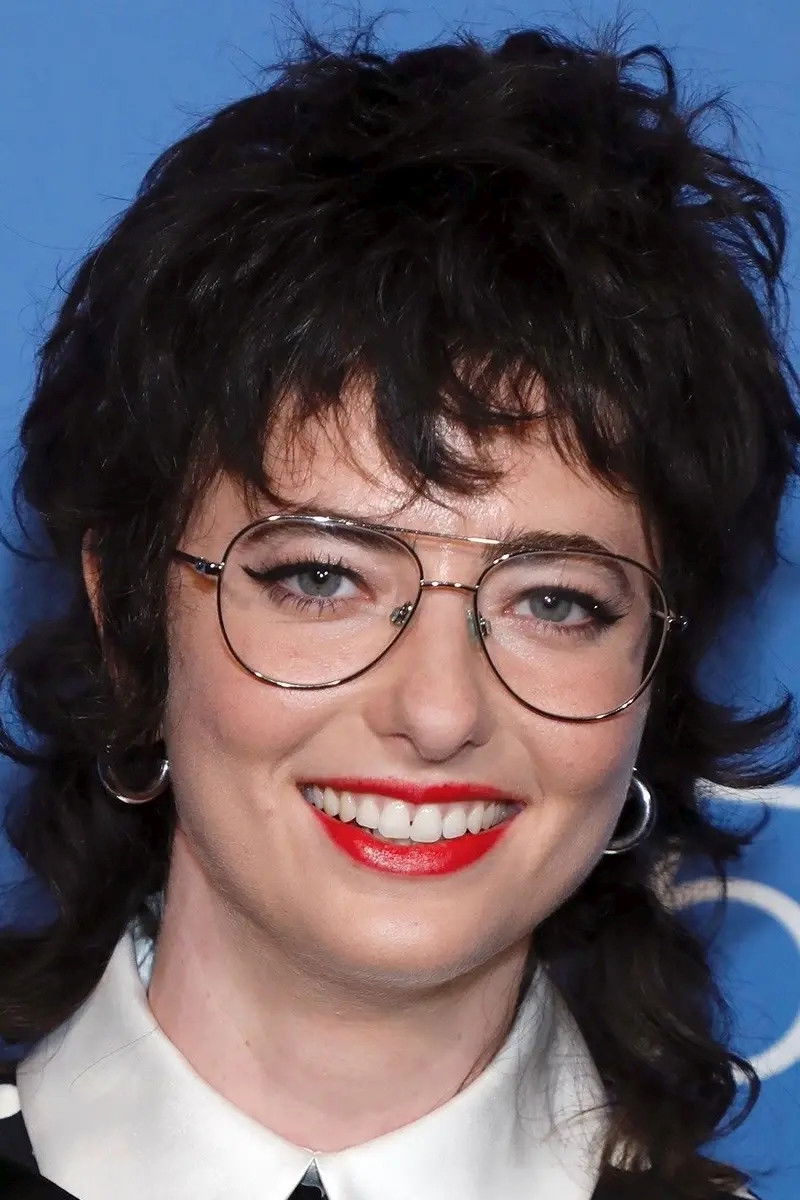
The film's premise centers on a young queer filmmaker, Kris (Hannah Einbinder), tasked with rebooting the fictional '80s slasher franchise Camp Miasma, who develops a central psychosexual romance and identity-driven relationship with the reclusive original final girl Billy (Gillian Anderson).
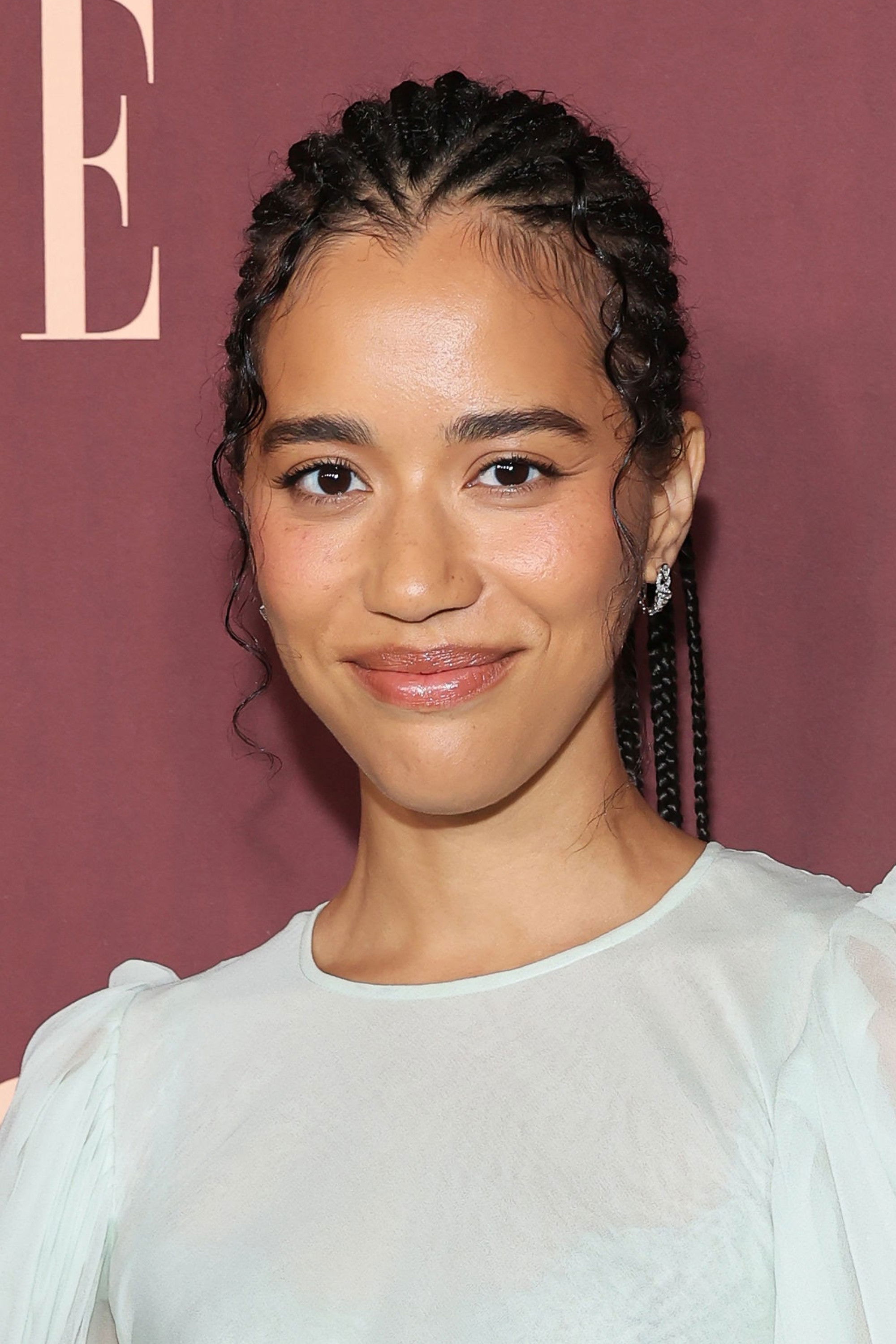
This dynamic drives the narrative through explicit scenes of desire, fear, and a blood-drenched sex sequence where the women achieve sexual awakening via a shared fantasy with the gender-fluid killer Little Death (Jack Haven), framing horror tropes as pathways to queer self-actualization and liberation from repression. The story explicitly positions the reboot as an 'elevated, aka woke' corrective to the original franchise's depicted transphobia and heteropatriarchal elements, with the killer's vent-mask and spear attacks reimagined through a lens of dissociation and pleasure tied to transition themes. Director Jane Schoenbrun's statements underscore the autobiographical intent, noting that good sex requires presence in one's body and identity 'which was foreclosed to me before I became myself in transition,' and the film layers queer identity exploration onto every genre element, from the opening credits critiquing 'problematic' gender discourse to the climax where the leads transcend via 'little death' orgasm and new videotape creation.
This makes progressive ideological framing foundational rather than incidental, with the slasher format subordinated to messaging on consent, sexual liberation, and deconstructing traditional norms. Reception amplified this via the Queer Palm win at Cannes and critic consensus celebrating it as a 'queer slasher spectacular' and 'celebration of queerness,' though commercial underperformance highlights audience disconnect from the message-over-story priority.
Key Factors
- Central queer psychosexual romance between female leads Kris and Billy as primary plot and emotional driver
- Explicit deconstruction of the slasher genre as transphobic and heteropatriarchal, with reboot framed as corrective queer messaging
- Creator Jane Schoenbrun's repeated emphasis on trans/queer autobiographical themes of transition, consent, and sexual liberation in interviews and text
- Gender-fluid killer Little Death and 'woke' reboot positioning as core to the narrative premise
Methodology: Each score synthesizes audience discourse, critic and aggregator reception, and press coverage — weighed against the work itself, not any single source.
Detailed BreakdownPro
Identity Politics & Racial Essentialism
Gender Ideology & LGBTQ+ Themes
DEI Casting & Representation Mandates
Preachiness & Message-First Agenda
Corporate & Creator Activism
See how this title scores across all 5 woke subcategories with detailed explanations.
Unlock with ProFrom $3/month · 3-day trial for $1
The Woke Report
A curated roundup of newly scored movies, shows, and games, with the context behind the scores. Free. Unsubscribe anytime.
Privacy policyDirected by
Is Teenage Sex and Death at Camp Miasma Woke?
We've run a full content analysis on Teenage Sex and Death at Camp Miasma and scored it 9/10 on the woke scale. Read our detailed breakdown above to see exactly what we found.
Audience Fit is the inverse of the community's average woke rating of 5/10: the less woke our audience finds a title, the more stars it earns. Based on 4 audience ratings.
Frequently Asked Questions
What kind of woke content is in Teenage Sex and Death at Camp Miasma?
Our analysis checks for themes like identity politics, race-swapping, gender ideology, environmental activism, anti-religious messaging, and other progressive agenda elements. The score breakdown above shows which specific categories were flagged and how heavily they factor into Teenage Sex and Death at Camp Miasma's overall score.
Is Teenage Sex and Death at Camp Miasma family-friendly?
Wokeometer focuses on ideological content rather than traditional ratings (violence, language, etc.). Teenage Sex and Death at Camp Miasma is rated R. For a full picture, combine our woke analysis with the age rating to decide if it's right for your family.
How does Wokeometer score movies?
We evaluate media across multiple ideological categories on a 0–10 scale. Scores of 0–3 mean story-first, 4–6 have moderate elements, and 7–10 flag heavily agenda-driven content. Learn more about our methodology →