Box Office
Hit · 3.6xBudget$27M
Worldwide Gross$96.9M
Shop this title
Shop this title
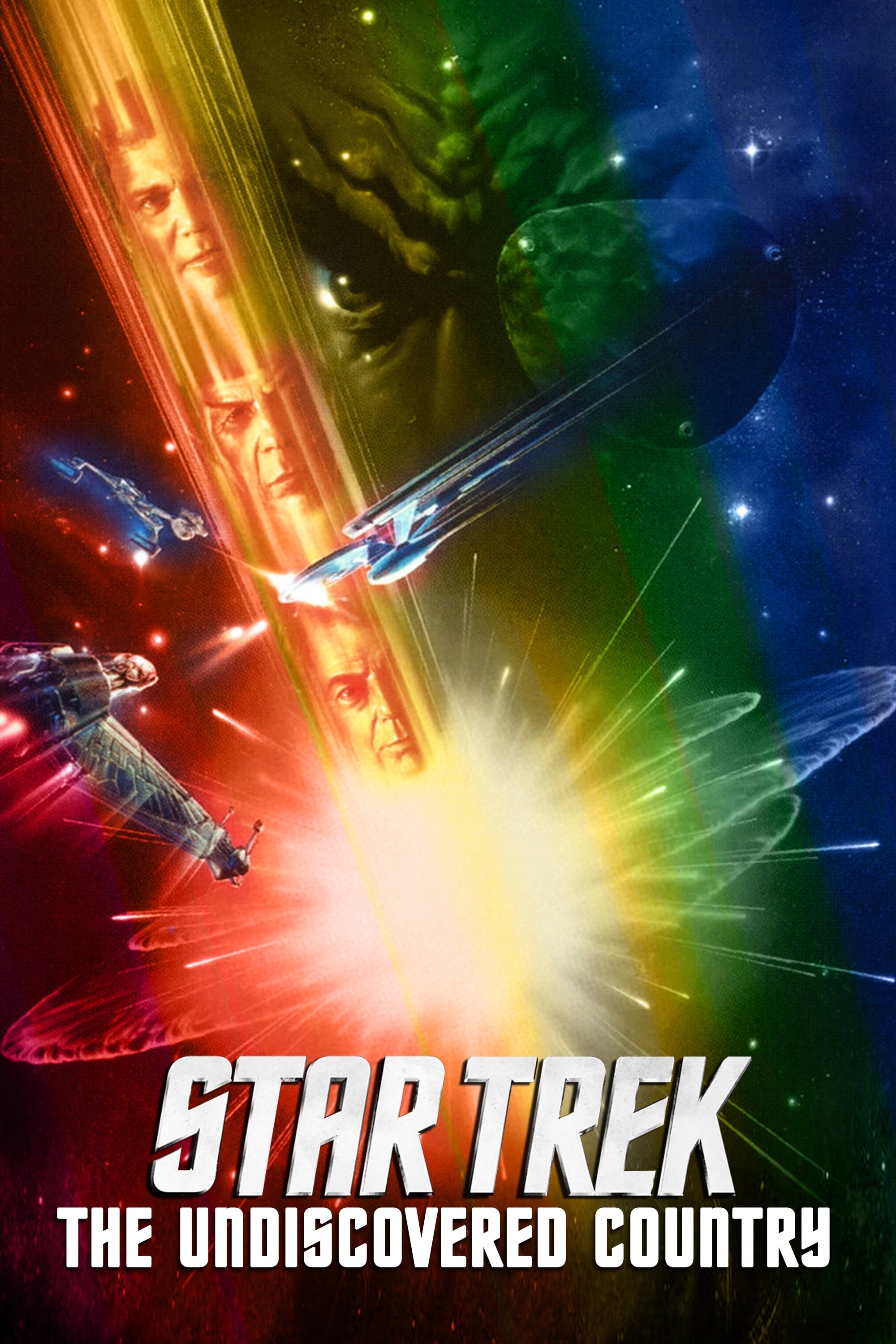
Star Trek VI: The Undiscovered Country
We may earn a commission from purchases through these links.
Digital video
Search US stores by format. Check the title and edition before buying.
Explore Prime Video — Opens in a new tab
Catalog availability and subscription terms vary.
Star Trek VI: The Undiscovered Country
movie·PG·Dec 6, 1991·
Box OfficeHit · 3.6x
$27M
Budget
$96.9M
Gross
Shop
Shop this title
Star Trek VI: The Undiscovered Country
We may earn a commission from purchases through these links.
Digital video
Search US stores by format. Check the title and edition before buying.
Explore Prime Video — Opens in a new tab
Catalog availability and subscription terms vary.
Star Trek VI: The Undiscovered Country
movie
PG
December 6, 1991
Wokeometer Rating
3Based
Scale: 0 = not woke, 10 = maximally woke
TL;DR Verdict
Star Trek VI keeps the focus on a Cold War-style conspiracy thriller and Kirk's journey past prejudice toward diplomacy, delivering neutral storytelling without activist messaging or identity politics. This classic Trek approach earns its low 3/10 woke score as safe, plot-driven entertainment.
Paid creator placementsFeature your article or video on this page
Detailed Analysis
Star Trek VI centers on a conspiracy thriller plot where the Enterprise escorts Klingon Chancellor Gorkon for peace talks after the Praxis moon explosion cripples their empire, mirroring the end of the Cold War.
Kirk initially expresses prejudice, stating Klingons are 'animals' and 'let them die' due to his son's death by Klingons, but overcomes this fear of change through the story's events, learning acceptance and delivering a speech on the 'undiscovered country' as the future. The diverse TOS crew (Uhura, Sulu, Chekov) appears in their established roles with no casting alterations to prior characters; Valeris is a new original female Vulcan. Director Nicholas Meyer explicitly framed the film as a 'wall comes down in space' allegory for glasnost and peace, with no statements on modern identity politics or DEI.
Themes of overcoming prejudice and promoting diplomacy align with classic Trek humanism but remain incidental to the espionage and action narrative rather than foundational activist messaging. No LGBTQ+ portrayal, gender-swapped established roles, or critiques of traditional norms appear. Reception was positive with no notable backlash framing it as ideological overreach. Casting evidence: Casting research is incomplete or contains unresolved comparisons; overall casting fidelity has not been established.
The casting comparison for William Shatner as Captain James T. Kirk remains unresolved. The casting comparison for Kim Cattrall as Lt. Valeris remains unresolved.
Key Factors
- Cold War peace allegory with Klingons as Soviets and themes of overcoming prejudice
- No changes to established characters' race, gender, or sexuality; new original characters only
- Creator intent limited to historical/political allegory, not contemporary social justice activism
Methodology: Each score synthesizes audience discourse, critic and aggregator reception, and press coverage — weighed against the work itself, not any single source.
Detailed BreakdownPro
Free Preview1 of 5 categories unlocked
Corporate & Creator Activism1
Director Nicholas Meyer framed the film as a glasnost allegory for peace with no references to DEI initiatives, identity politics, or progressive activism in marketing or statements.
Identity Politics & Racial Essentialism
Gender Ideology & LGBTQ+ Themes
DEI Casting & Representation Mandates
Preachiness & Message-First Agenda
Unlock the other 4 categories — including Identity Politics and Gender Ideology — with detailed explanations.
Unlock with ProFrom $3/month · 3-day trial for $1
The Woke Report
A curated roundup of newly scored movies, shows, and games, with the context behind the scores. Free. Unsubscribe anytime.
Privacy policyDirected by
Is Star Trek VI: The Undiscovered Country Woke?
We've run a full content analysis on Star Trek VI: The Undiscovered Country and scored it 3/10 on the woke scale. Read our detailed breakdown above to see exactly what we found.
Frequently Asked Questions
What kind of woke content is in Star Trek VI: The Undiscovered Country?
Our analysis checks for themes like identity politics, race-swapping, gender ideology, environmental activism, anti-religious messaging, and other progressive agenda elements. The score breakdown above shows which specific categories were flagged and how heavily they factor into Star Trek VI: The Undiscovered Country's overall score.
Is Star Trek VI: The Undiscovered Country family-friendly?
Wokeometer focuses on ideological content rather than traditional ratings (violence, language, etc.). Star Trek VI: The Undiscovered Country is rated PG. For a full picture, combine our woke analysis with the age rating to decide if it's right for your family.
How does Wokeometer score movies?
We evaluate media across multiple ideological categories on a 0–10 scale. Scores of 0–3 mean story-first, 4–6 have moderate elements, and 7–10 flag heavily agenda-driven content. Learn more about our methodology →