Box Office
Underperformed · 1.6xBudget$70M
Worldwide Gross$112.6M
Shop this title
Shop this title
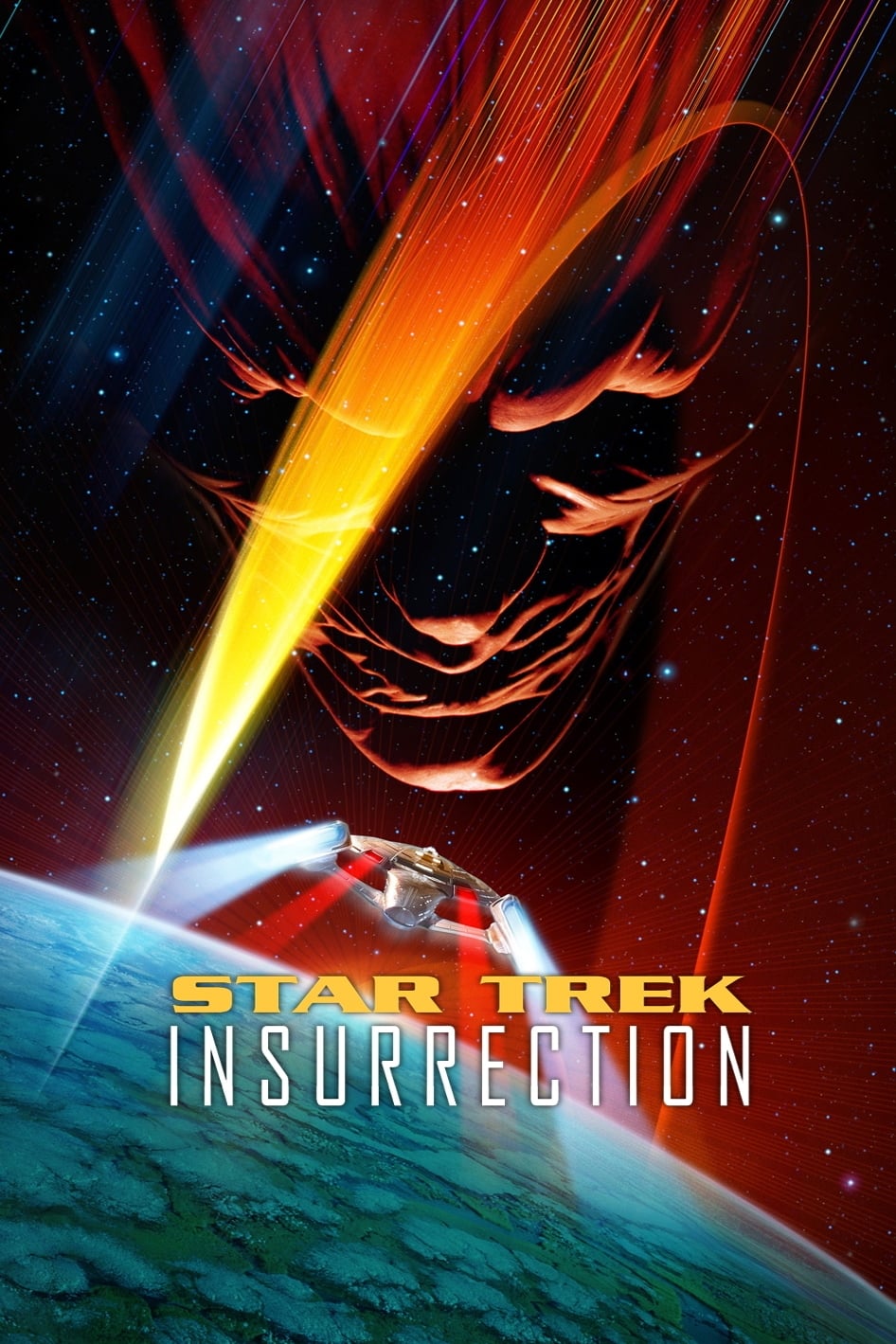
Star Trek: Insurrection
We may earn a commission from purchases through these links.
Digital video
Search US stores by format. Check the title and edition before buying.
Explore Prime Video — Opens in a new tab
Catalog availability and subscription terms vary.
Star Trek: Insurrection
movie·PG·Dec 11, 1998·
Box OfficeUnderperformed · 1.6x
$70M
Budget
$112.6M
Gross
Shop
Shop this title
Star Trek: Insurrection
We may earn a commission from purchases through these links.
Digital video
Search US stores by format. Check the title and edition before buying.
Explore Prime Video — Opens in a new tab
Catalog availability and subscription terms vary.
Star Trek: Insurrection
movie
PG
December 11, 1998
Wokeometer Rating
2Based
Scale: 0 = not woke, 10 = maximally woke
TL;DR Verdict
Star Trek: Insurrection scores a low 2/10 on wokeness by focusing on classic Prime Directive ethics and individual rights over any modern identity politics or activist framing. The result is safe, neutral entertainment built around story and moral conflict rather than messaging.
Paid creator placementsFeature your article or video on this page
Detailed Analysis
Star Trek: Insurrection centers on Captain Picard leading a rebellion to protect the Ba'ku from forced relocation by Starfleet and the Son'a, who seek the planet's metaphasic radiation for rejuvenation.
The core conflict upholds classic Federation principles like the Prime Directive and individual rights over utilitarian 'greater good' arguments, with subplots involving crew rejuvenation effects and a brief Picard-Anij romance. These echo longstanding Trek themes of ethics, exploration, and harmony with nature versus unchecked technology, but remain traditional storytelling without contemporary identity politics, systemic oppression critiques, or activist framing. No established characters undergo race, gender, or sexuality changes; the cast continues the TNG ensemble with original supporting roles like Anij and Ru'afo.
Searches for ideological controversies yield none specific to this 1998 film, only general franchise discussions. The narrative prioritizes moral rebellion and reconciliation between Ba'ku factions over any modern social justice messaging. Casting evidence: Casting research is incomplete or contains unresolved comparisons; overall casting fidelity has not been established. Documented credits include Patrick Stewart as Captain Jean-Luc Picard; Brent Spiner as Lt.
Commander Data; Donna Murphy as Anij. The casting comparison for Patrick Stewart as Captain Jean-Luc Picard remains unresolved. The casting comparison for Brent Spiner as Lt.
Commander Data remains unresolved. The casting comparison for Donna Murphy as Anij remains unresolved.
Key Factors
- Classic Trek defense of Prime Directive and Federation ideals as central premise
- No established character casting departures or identity-focused subplots
- Nature vs. technology and greater-good ethics as traditional narrative drivers, not activist messaging
Methodology: Each score synthesizes audience discourse, critic and aggregator reception, and press coverage — weighed against the work itself, not any single source.
Detailed BreakdownPro
Free Preview1 of 5 categories unlocked
Corporate & Creator Activism0
As a 1998 production, the film shows no creator interviews, studio DEI initiatives, or marketing centered on progressive credentials.
Identity Politics & Racial Essentialism
Gender Ideology & LGBTQ+ Themes
DEI Casting & Representation Mandates
Preachiness & Message-First Agenda
Unlock the other 4 categories — including Identity Politics and Gender Ideology — with detailed explanations.
Unlock with ProFrom $3/month · 3-day trial for $1
The Woke Report
A curated roundup of newly scored movies, shows, and games, with the context behind the scores. Free. Unsubscribe anytime.
Privacy policyDirected by
Is Star Trek: Insurrection Woke?
We've run a full content analysis on Star Trek: Insurrection and scored it 2/10 on the woke scale. Read our detailed breakdown above to see exactly what we found.
Frequently Asked Questions
What kind of woke content is in Star Trek: Insurrection?
Our analysis checks for themes like identity politics, race-swapping, gender ideology, environmental activism, anti-religious messaging, and other progressive agenda elements. The score breakdown above shows which specific categories were flagged and how heavily they factor into Star Trek: Insurrection's overall score.
Is Star Trek: Insurrection family-friendly?
Wokeometer focuses on ideological content rather than traditional ratings (violence, language, etc.). Star Trek: Insurrection is rated PG. For a full picture, combine our woke analysis with the age rating to decide if it's right for your family.
How does Wokeometer score movies?
We evaluate media across multiple ideological categories on a 0–10 scale. Scores of 0–3 mean story-first, 4–6 have moderate elements, and 7–10 flag heavily agenda-driven content. Learn more about our methodology →