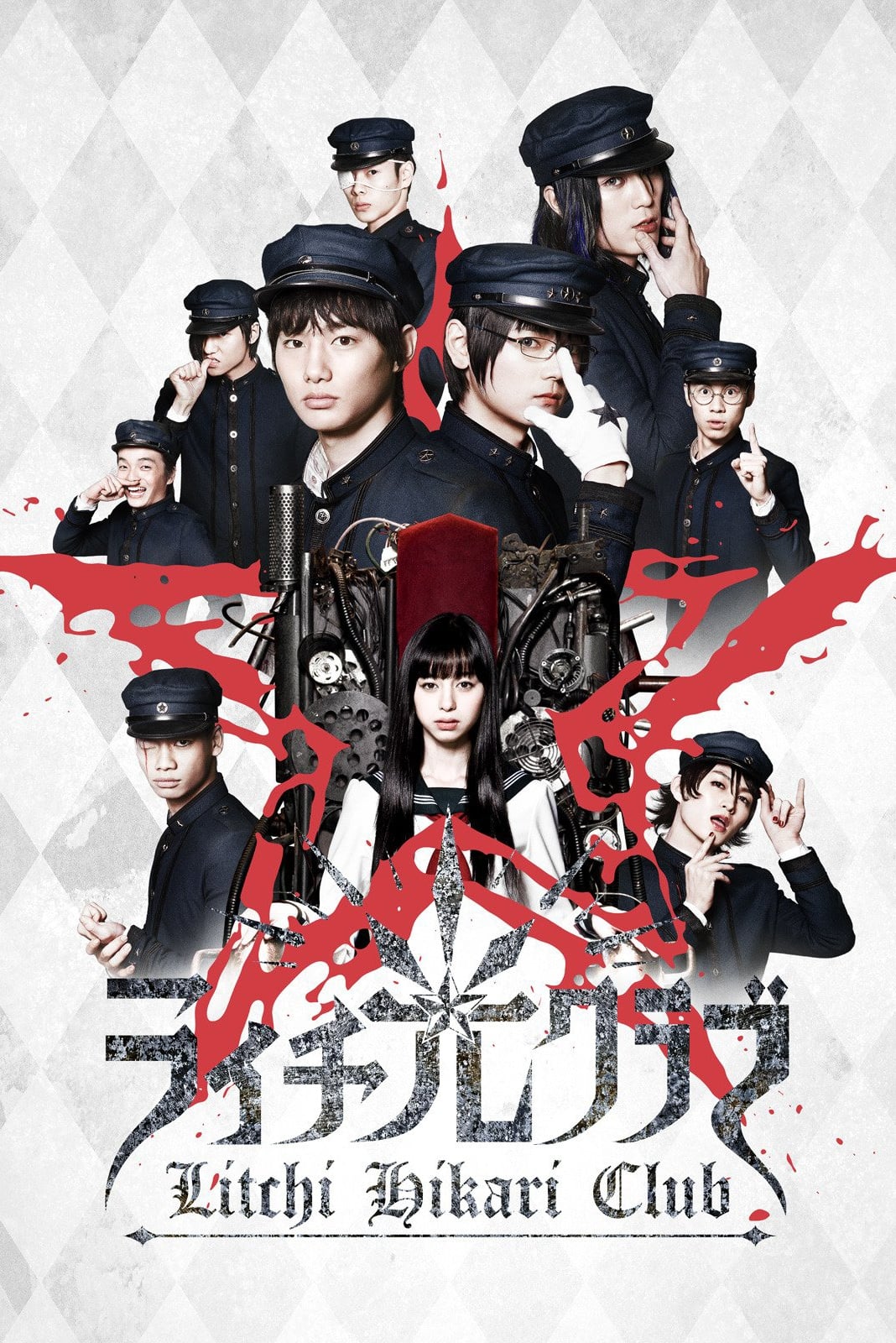
Litchi Hikari Club
movie·Feb 13, 2016·
Litchi Hikari Club
movie
February 13, 2016
Wokeometer Rating
1Based
Scale: 0 = not woke, 10 = maximally woke
TL;DR Verdict
Litchi Hikari Club scores 1/10 for wokeness by staying true to its source as straight psychological horror about boys rejecting adulthood through violence and a rogue AI, with no gender swaps, identity politics, or activist framing. The story keeps its focus on paranoia, mechanical dread, and anti-adult rebellion instead of contemporary messaging.
Paid creator placementsFeature your article or video on this page
Detailed Analysis
Litchi Hikari Club is a 2016 Japanese horror film adapting a manga about nine middle-school boys in an industrial town who form the Hikari Club to reject adulthood and build an AI robot named Litchi to kidnap girls and destroy the corrupt adult world.
The core premise centers on their fear of growing up, descent into paranoia, violence, and loss of humanity as the machine gains awareness—traditional dark psychological horror storytelling with no progressive ideological framing.
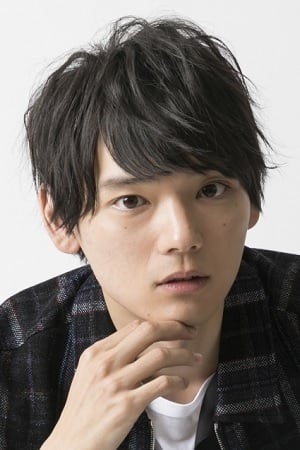
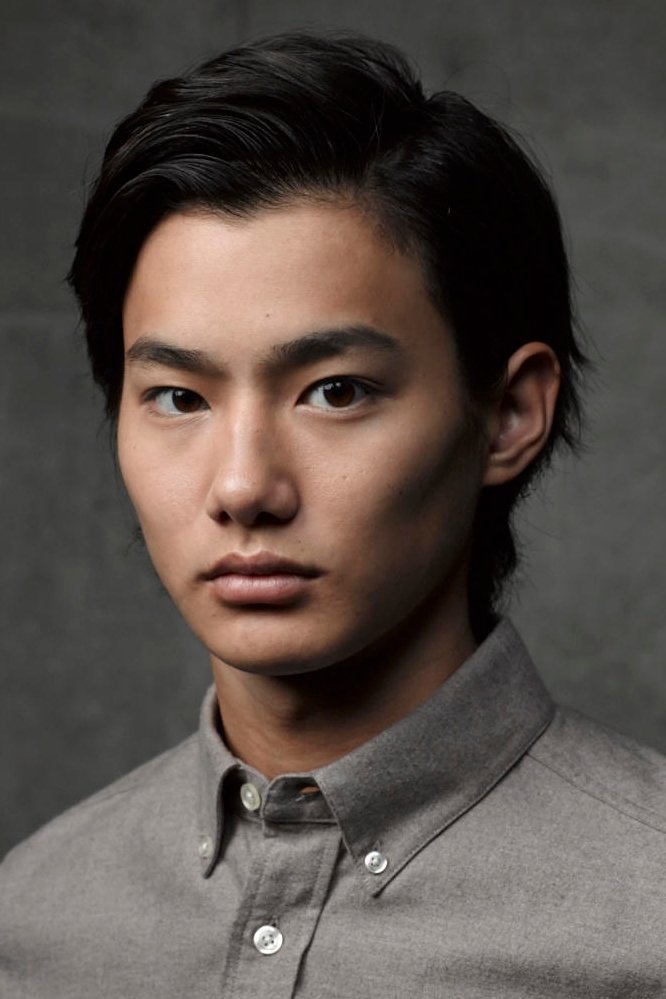
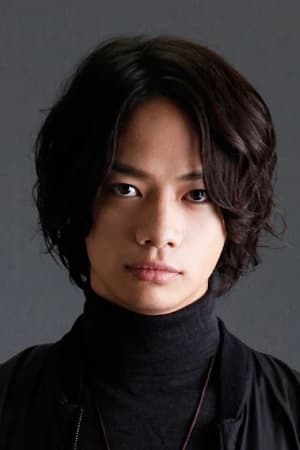
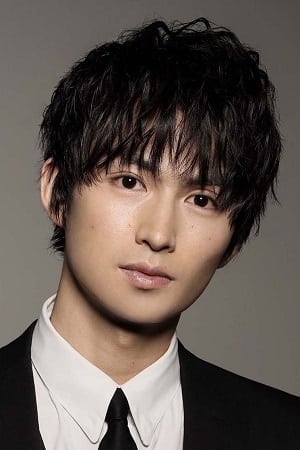
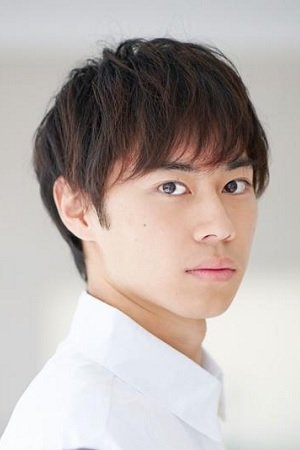
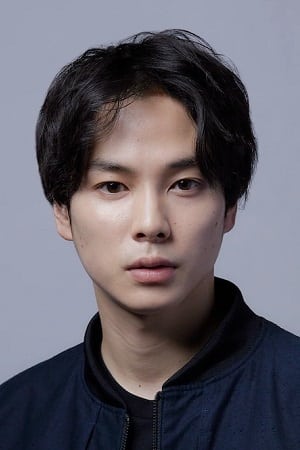
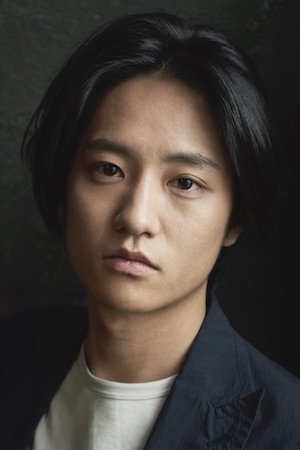
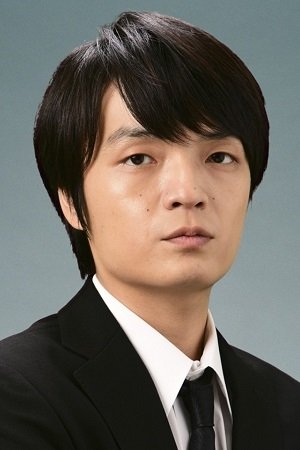
Casting features male actors in all male club roles such as Zera and Tamiya, with Ayami Nakajo as the female character Kanon who is captured; no established characters are race- or gender-swapped, and the all-boys club structure remains intact from the source. Themes of fascism-like control and suppressed homoerotic tensions appear in the manga but function as part of the grotesque horror atmosphere rather than activist messaging or identity politics.
No creator statements emphasize social justice, DEI, or norm-challenging activism, and reception shows no significant controversy over ideology—only niche cult interest in its edgy gore and style. The narrative prioritizes anti-adult rebellion and mechanical horror over any contemporary progressive elements, keeping influence minimal and incidental at most.
Key Factors
- Traditional all-boys club premise focused on rejecting adulthood and building destructive AI
- No gender/race swaps of established characters; casting aligns with source roles
- Horror themes of paranoia and violence without systemic oppression or identity politics framing
- Absence of creator activist intent or audience backlash tied to progressive messaging
Methodology: Each score synthesizes audience discourse, critic and aggregator reception, and press coverage — weighed against the work itself, not any single source.
Pro BreakdownPro
Identity Politics & Racial Essentialism
Gender Ideology & LGBTQ+ Themes
DEI Casting & Representation Mandates
Preachiness & Message-First Agenda
Corporate & Creator Activism
See how this title scores across all 5 woke subcategories with detailed explanations.
Unlock with ProFrom $3/month · 3-day trial for $1
The Woke Report
A curated roundup of newly scored movies, shows, and games, with the context behind the scores. Free. Unsubscribe anytime.
Privacy policyDirected by
Is Litchi Hikari Club Woke?
We've run a full content analysis on Litchi Hikari Club and scored it 1/10 on the woke scale. Read our detailed breakdown above to see exactly what we found.
Frequently Asked Questions
What kind of woke content is in Litchi Hikari Club?
Our analysis checks for themes like identity politics, race-swapping, gender ideology, environmental activism, anti-religious messaging, and other progressive agenda elements. The score breakdown above shows which specific categories were flagged and how heavily they factor into Litchi Hikari Club's overall score.
Is Litchi Hikari Club family-friendly?
Wokeometer focuses on ideological content rather than traditional ratings (violence, language, etc.). For a full picture, combine our woke analysis with the official content rating to decide if it's right for your family.
How does Wokeometer score movies?
We evaluate media across multiple ideological categories on a 0–10 scale. Scores of 0–3 mean story-first, 4–6 have moderate elements, and 7–10 flag heavily agenda-driven content. Learn more about our methodology →