Joy Street
movie·Apr 26, 1995·
Joy Street
movie
April 26, 1995
Wokeometer Rating
1Based
Scale: 0 = not woke, 10 = maximally woke
TL;DR Verdict
Joy Street scores a low 1/10 on wokeness because its narrative follows one woman's personal battle with depression and renewal via a cartoon mouse guide, drawn directly from the director's own experiences rather than any ideological agenda. Themes of mental health and nature reconnection emerge organically without identity politics, systemic critiques, or social-justice framing.
Paid creator placementsFeature your article or video on this page
Detailed Analysis
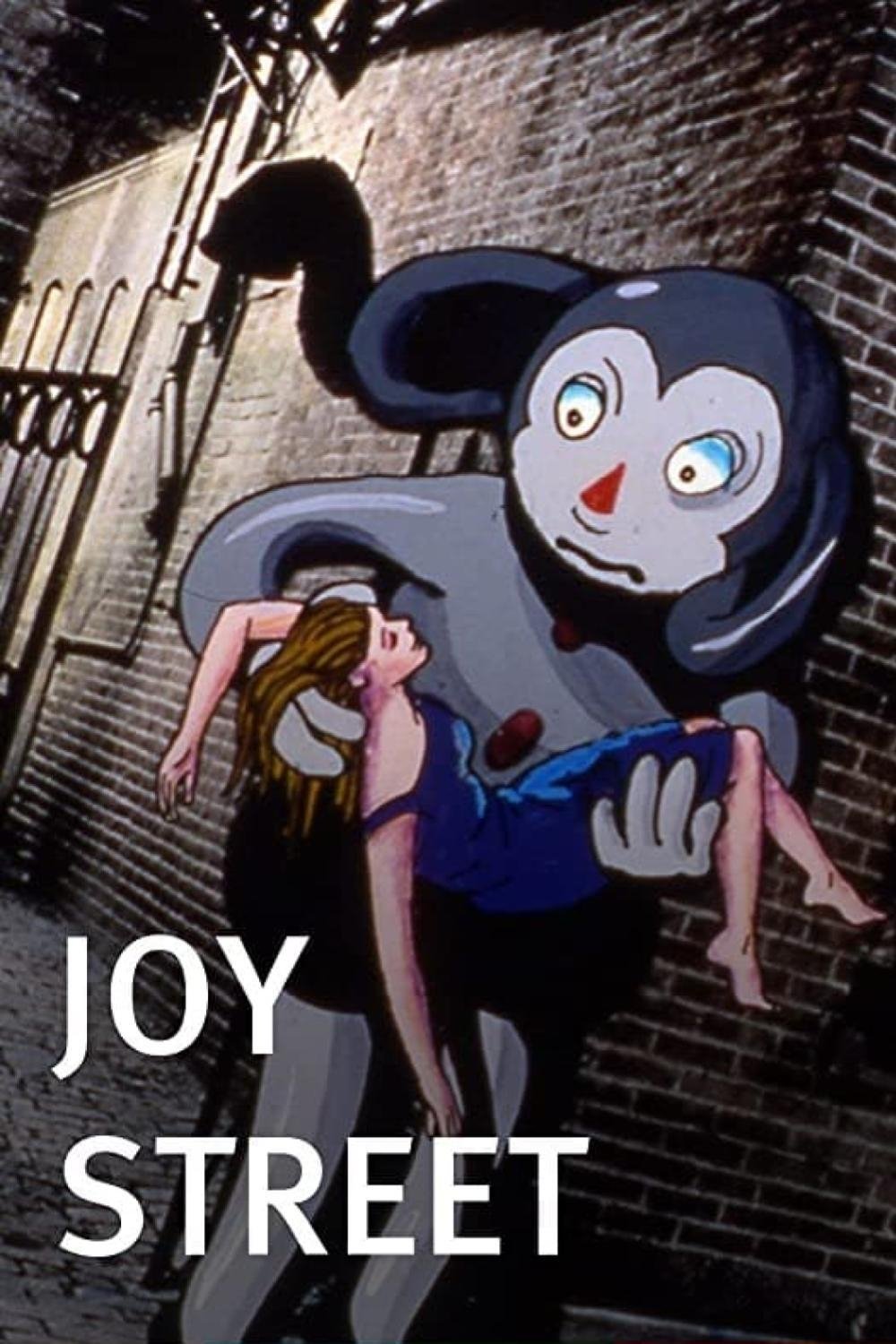
Joy Street is a 1995 hand-painted animated short by Suzan Pitt depicting an unnamed woman's descent into suicidal despair amid urban isolation, followed by revival and renewal through a cartoon mouse spirit guide that transports her to vibrant rainforests.
The narrative centers on personal mental health recovery and reconnection with nature, directly mirroring the director's own experiences with depression and Fulbright-funded travels to Mexico and Guatemala for painting the forests.
No progressive ideological elements drive the story. Themes of depression, environmental loss, and artistic renewal appear as organic extensions of the protagonist's journey rather than activist messaging, identity politics, or critiques of systemic norms. The mouse guide functions as a whimsical, life-affirming character in a traditional fantasy structure without any focus on representation or social justice.
Reception treats the film as a personal, emotionally frank artistic work with no associated controversies or claims of ideological intent. Its 1995 release predates contemporary DEI frameworks, and searches reveal zero evidence of casting changes, LGBTQ+ normalization, or lecture-style dialogue. The result is classic storytelling centered on individual renewal.
Key Factors
- Personal mental health and nature reconnection as core premise with no identity politics
- 1995 release and director's autobiographical inspiration lack activist framing
- Animation features original characters and fantasy elements without established role alterations
Methodology: Each score synthesizes audience discourse, critic and aggregator reception, and press coverage — weighed against the work itself, not any single source.
Pro BreakdownPro
Identity Politics & Racial Essentialism
Gender Ideology & LGBTQ+ Themes
DEI Casting & Representation Mandates
Preachiness & Message-First Agenda
Corporate & Creator Activism
See how this title scores across all 5 woke subcategories with detailed explanations.
Unlock with ProFrom $3/month · 3-day trial for $1
The Woke Report
A curated roundup of newly scored movies, shows, and games, with the context behind the scores. Free. Unsubscribe anytime.
Privacy policyDirected by
Is Joy Street Woke?
We've run a full content analysis on Joy Street and scored it 1/10 on the woke scale. Read our detailed breakdown above to see exactly what we found.
Frequently Asked Questions
What kind of woke content is in Joy Street?
Our analysis checks for themes like identity politics, race-swapping, gender ideology, environmental activism, anti-religious messaging, and other progressive agenda elements. The score breakdown above shows which specific categories were flagged and how heavily they factor into Joy Street's overall score.
Is Joy Street family-friendly?
Wokeometer focuses on ideological content rather than traditional ratings (violence, language, etc.). For a full picture, combine our woke analysis with the official content rating to decide if it's right for your family.
How does Wokeometer score movies?
We evaluate media across multiple ideological categories on a 0–10 scale. Scores of 0–3 mean story-first, 4–6 have moderate elements, and 7–10 flag heavily agenda-driven content. Learn more about our methodology →