Box Office
Underperformed · 1.6xBudget$2M
Worldwide Gross$3.2M
Waking Life
movie·R·Oct 19, 2001·
Box OfficeUnderperformed · 1.6x
$2M
Budget
$3.2M
Gross
Waking Life
movie
R
October 19, 2001
Wokeometer Rating
1Based
Scale: 0 = not woke, 10 = maximally woke
TL;DR Verdict
Waking Life scores a 1/10 on wokeness by focusing solely on classic philosophy, consciousness, and existential questions with zero identity politics or social justice framing. The result is neutral, story-driven entertainment that remains untouched by activist trends.
Paid creator placementsFeature your article or video on this page
Detailed Analysis
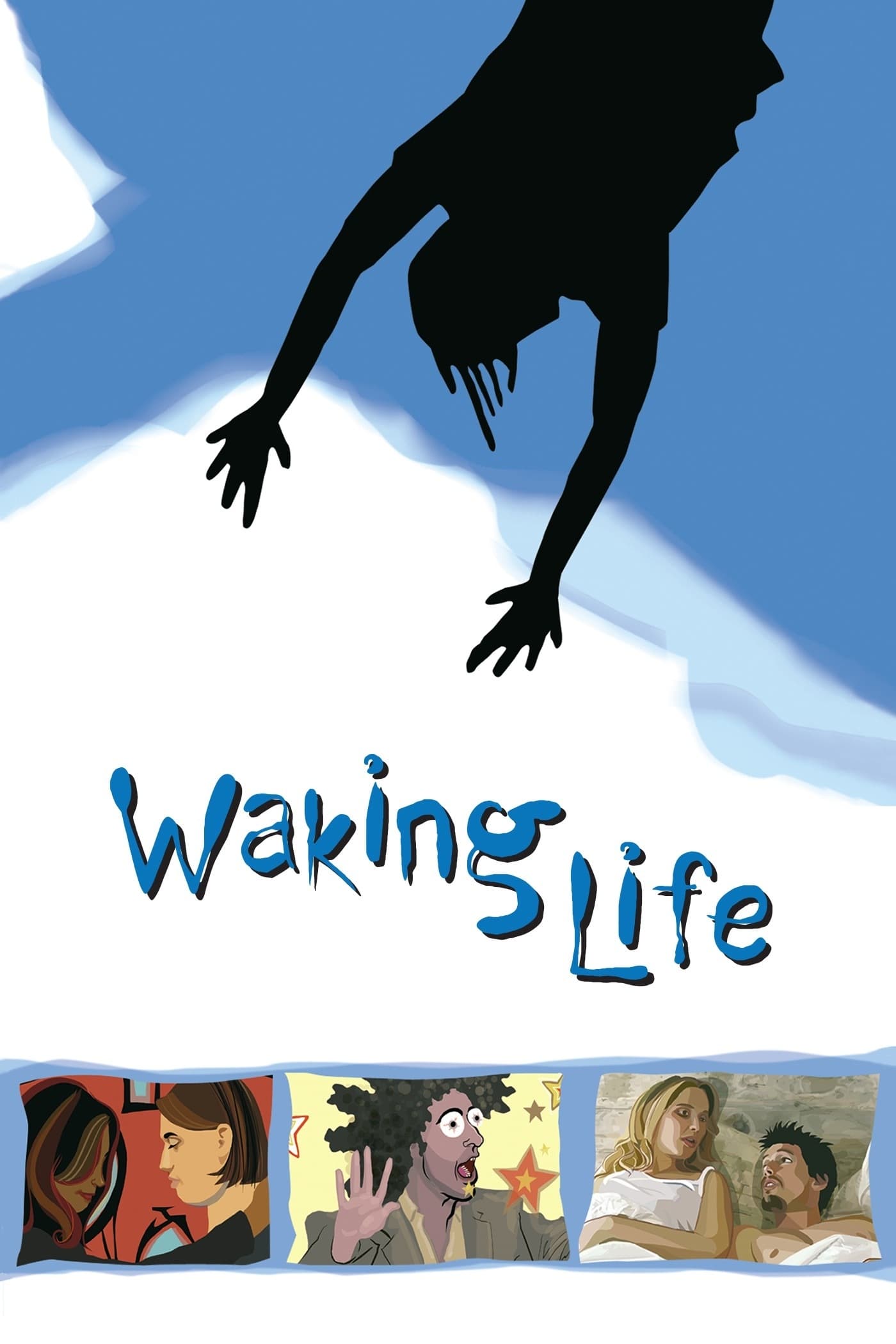
Waking Life (2001) centers on an unnamed protagonist drifting through a lucid dream state, engaging in philosophical dialogues about metaphysics, free will, consciousness, existentialism, and the meaning of life.
Specific scenes include discussions with characters on lucid dreaming techniques, posthuman evolution, André Bazin's film theory, and a closing monologue on accepting a divine invitation to unity with the universe. These are classic existential and metaphysical inquiries drawn from traditional philosophy, with no references to identity politics, systemic oppression, gender constructs, or DEI frameworks.
Casting features original characters and cameos such as Wiley Wiggins as the dreamer, Ethan Hawke reprising Jesse, and Julie Delpy as Celine, alongside real individuals like Alex Jones and Steven Soderbergh playing themselves. No established characters from prior source material are race- or gender-swapped, and the film contains no affirmative LGBTQ+ portrayal or normalization as narrative elements. The 2001 release predates modern activist trends, and searches for controversies yield only incidental mentions of Alex Jones' inclusion, unrelated to progressive messaging.
Reception highlights critical acclaim for its inventive rotoscope animation and intellectual depth, with no audience backlash tied to ideology. The premise would remain intact without any contemporary social justice framing, confirming minimal incidental overlap at most with neutral philosophical traditions rather than activist centrality.
Casting evidence: Casting research is incomplete or contains unresolved comparisons; overall casting fidelity has not been established. Documented credits include Wiley Wiggins as Main Character / Dreamer; Ethan Hawke as Jesse.
Key Factors
- Philosophical discussions limited to existentialism, free will, dreams vs. reality, and metaphysics with no identity-based themes
- Original characters and consistent cameos with zero established-character casting departures
- 2001 release and creator focus on ideas over activism; no creator statements on inclusion mandates or social justice
Methodology: Each score synthesizes audience discourse, critic and aggregator reception, and press coverage — weighed against the work itself, not any single source.
Pro BreakdownPro
Identity Politics & Racial Essentialism
Gender Ideology & LGBTQ+ Themes
DEI Casting & Representation Mandates
Preachiness & Message-First Agenda
Corporate & Creator Activism
See how this title scores across all 5 woke subcategories with detailed explanations.
Unlock with ProFrom $3/month · 3-day trial for $1
The Woke Report
A curated roundup of newly scored movies, shows, and games, with the context behind the scores. Free. Unsubscribe anytime.
Privacy policyDirected by
Is Waking Life Woke?
We've run a full content analysis on Waking Life and scored it 1/10 on the woke scale. Read our detailed breakdown above to see exactly what we found.
Frequently Asked Questions
What kind of woke content is in Waking Life?
Our analysis checks for themes like identity politics, race-swapping, gender ideology, environmental activism, anti-religious messaging, and other progressive agenda elements. The score breakdown above shows which specific categories were flagged and how heavily they factor into Waking Life's overall score.
Is Waking Life family-friendly?
Wokeometer focuses on ideological content rather than traditional ratings (violence, language, etc.). Waking Life is rated R. For a full picture, combine our woke analysis with the age rating to decide if it's right for your family.
How does Wokeometer score movies?
We evaluate media across multiple ideological categories on a 0–10 scale. Scores of 0–3 mean story-first, 4–6 have moderate elements, and 7–10 flag heavily agenda-driven content. Learn more about our methodology →