Box Office
Hit · 5.4xBudget$40M
Worldwide Gross$215.9M
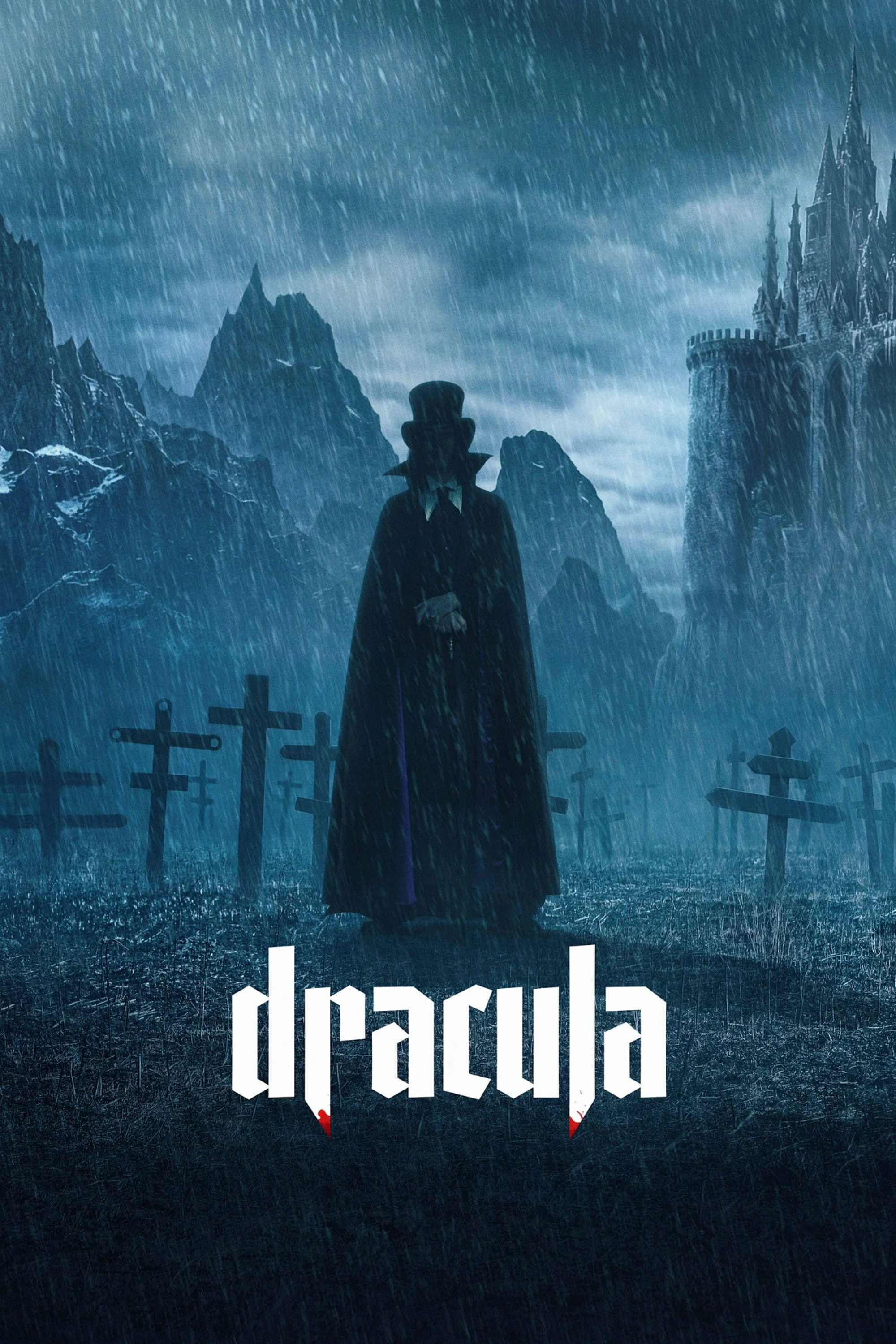
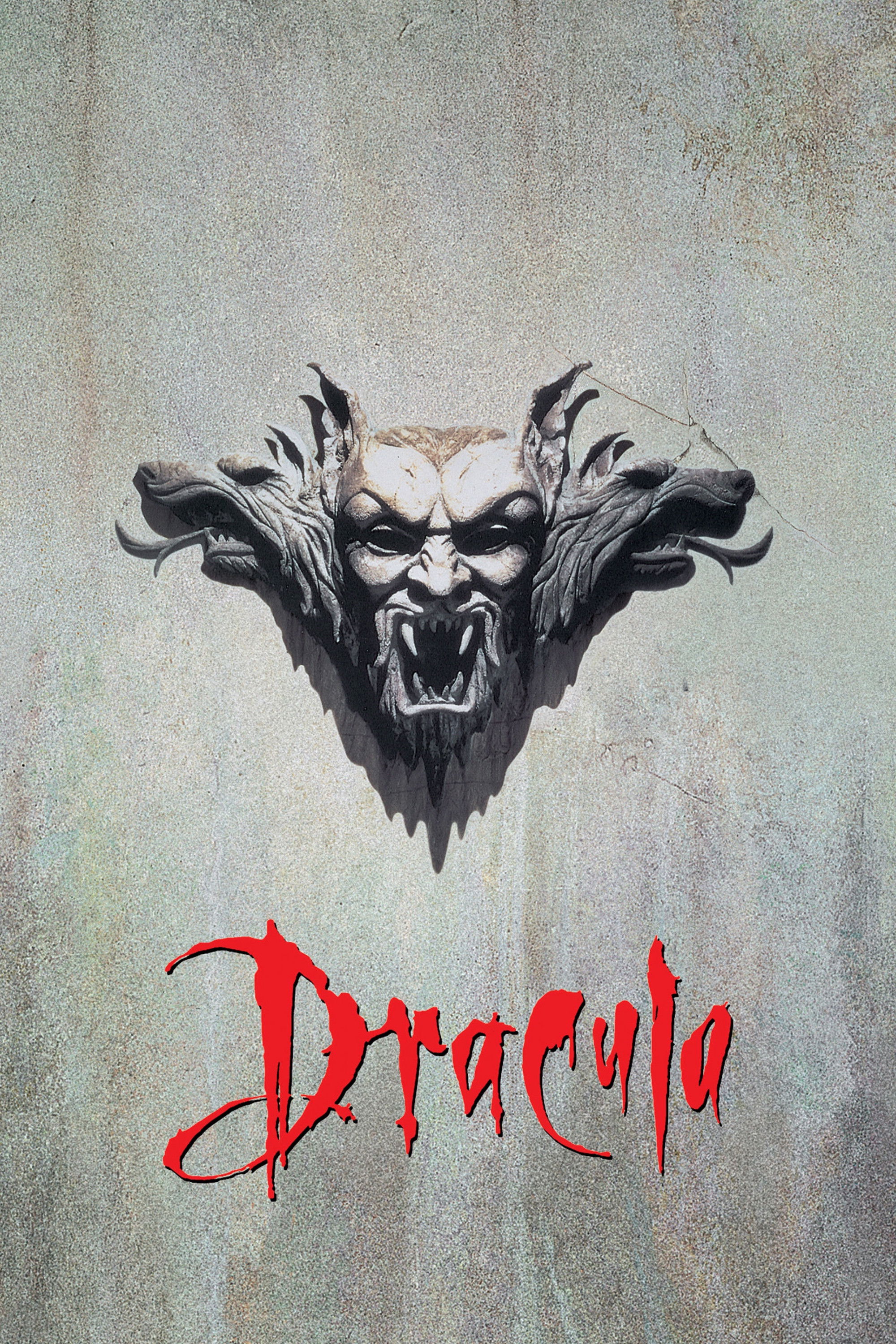
Bram Stoker's Dracula
movie·R·Nov 13, 1992·
Box OfficeHit · 5.4x
$40M
Budget
$215.9M
Gross
Bram Stoker's Dracula
movie
R
November 13, 1992
Wokeometer Rating
1Based
Scale: 0 = not woke, 10 = maximally woke
TL;DR Verdict
Bram Stoker's Dracula scores 1/10 on wokeness by centering its gothic romance and horror on the novel's core themes of love, seduction, and good versus evil with no identity politics or social justice overlays. The film follows source-faithful casting and traditional storytelling without activist intent or modern framing.
Paid creator placementsFeature your article or video on this page
Detailed Analysis
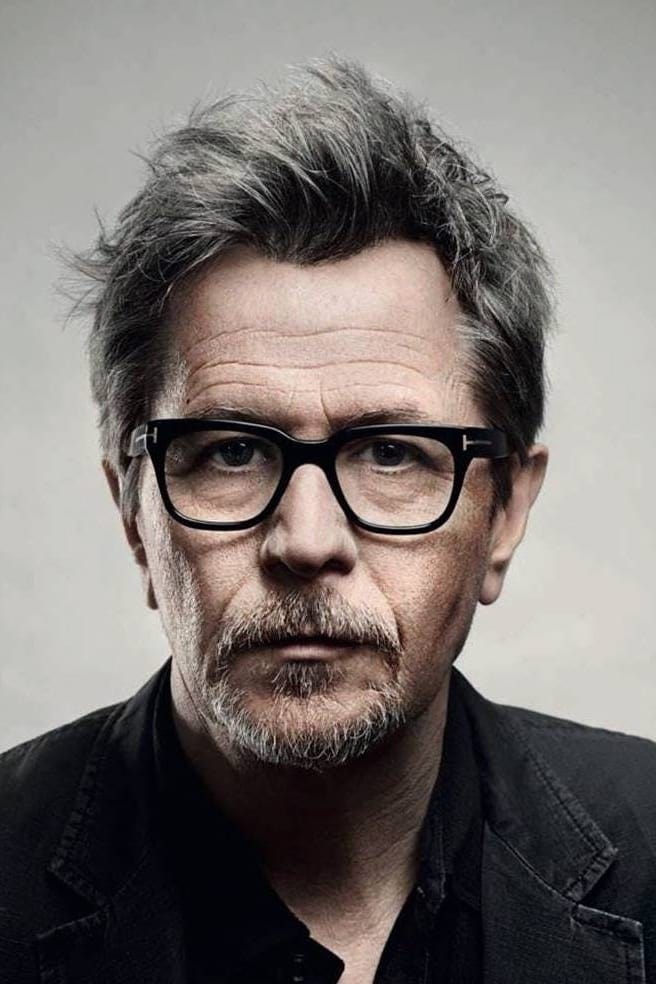
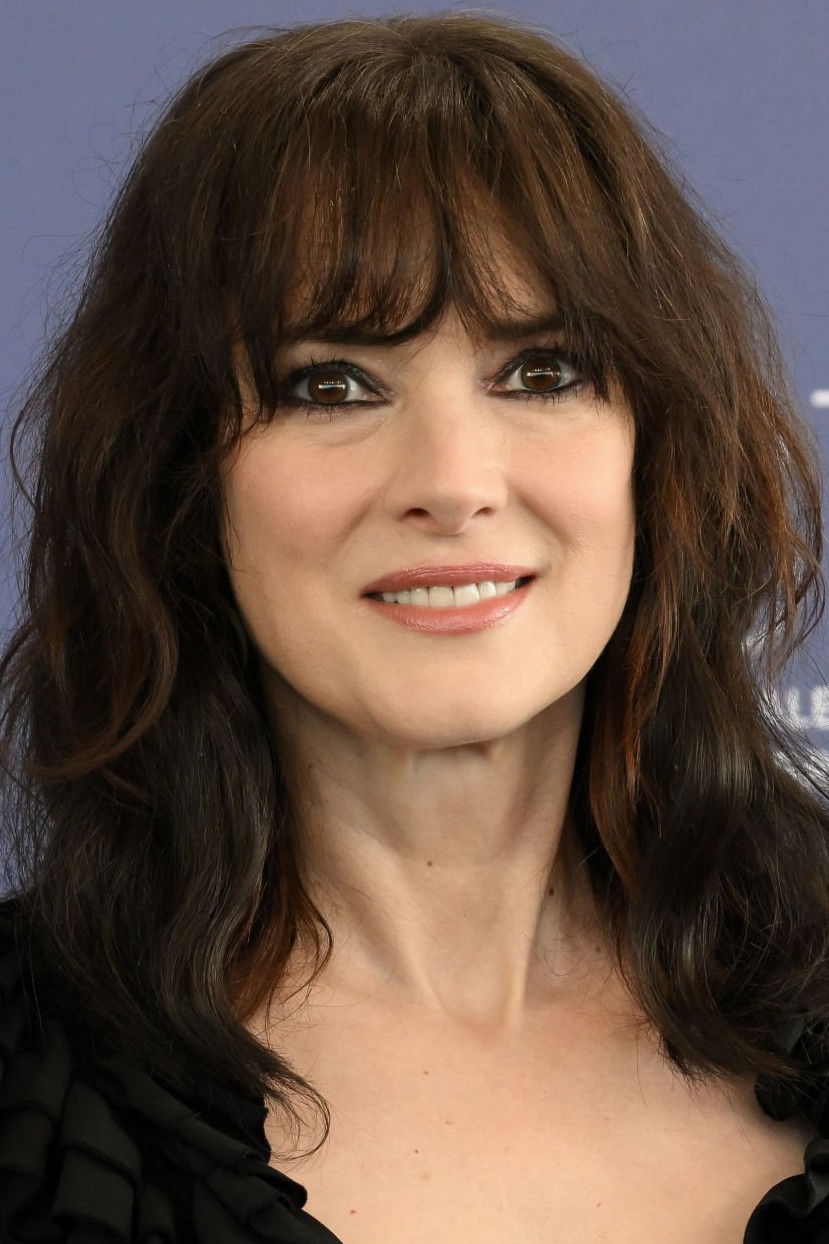
Bram Stoker's Dracula (1992) delivers a visually opulent gothic horror romance centered on the tragic eternal love between Count Dracula (Gary Oldman) and Mina Murray (Winona Ryder), framed as the reincarnation of his lost wife Elisabeta.
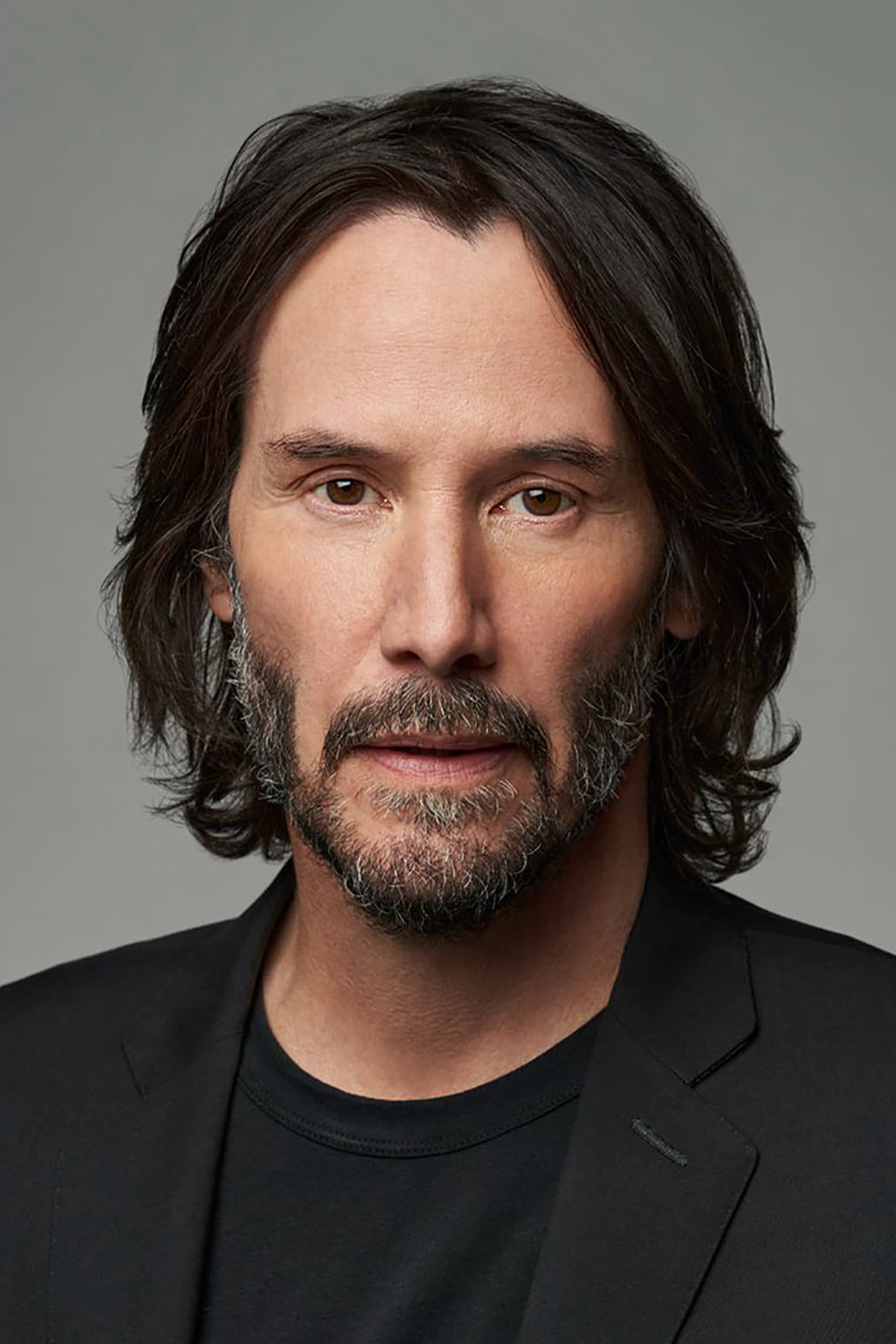
The narrative follows the classic Stoker structure with a 1462 prologue establishing Vlad the Impaler's curse, Jonathan Harker's (Keanu Reeves) imprisonment, and the vampire's arrival in Victorian London to pursue Mina while terrorizing Lucy Westenra (Sadie Frost). Themes of love transcending death, good versus evil, and vampiric seduction drive the story without any overlay of identity politics, systemic oppression critiques, or modern social justice framing.
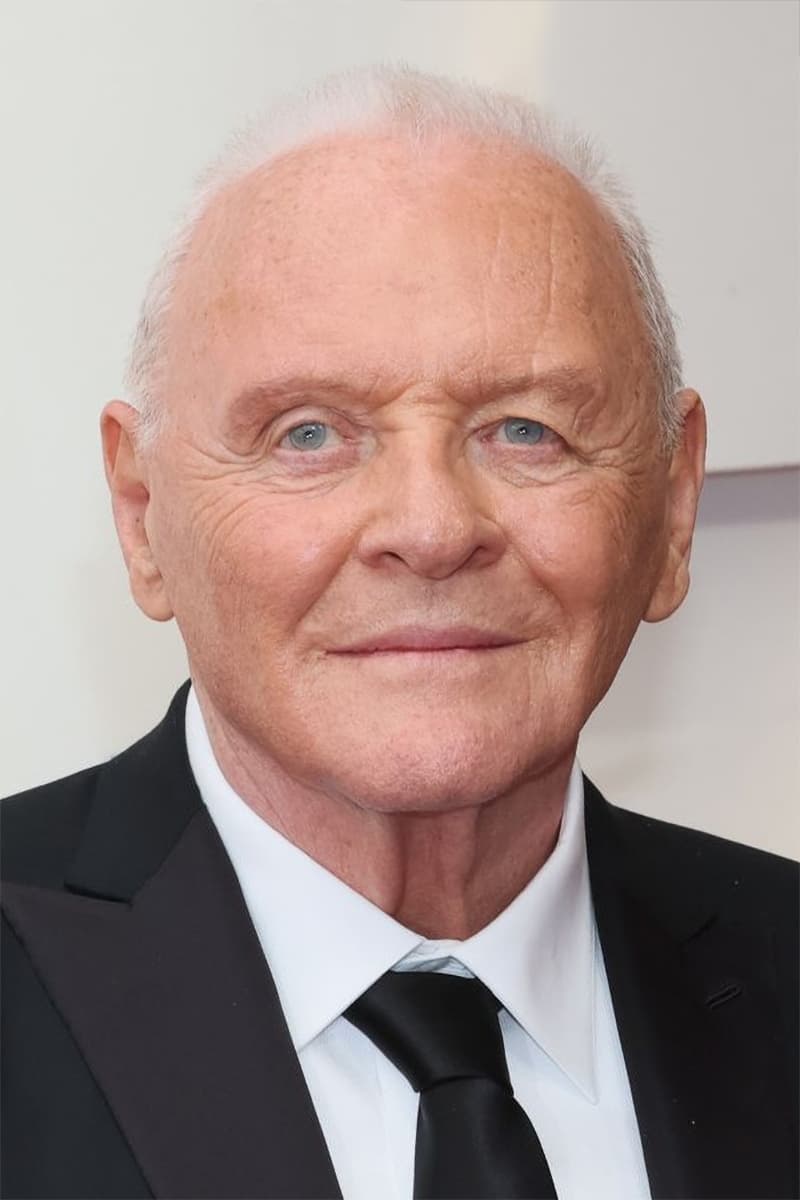
Casting adheres strictly to the source material's established characters and genders: male actor Oldman portrays the male historical prince-turned-vampire across multiple forms, Ryder plays the female Mina/Elisabeta, and supporting roles like Van Helsing (Anthony Hopkins) and the brides (including Monica Bellucci) match novel expectations with no race or gender alterations to pre-existing figures. Creator Francis Ford Coppola emphasized practical effects, early-cinema aesthetics, and the romance at the heart of the tale in interviews, with no statements indicating activist intent.
Contemporary reception praised the production design, Oldman's performance, and erotic horror elements while noting mixed results on Reeves' accent and the melodramatic tone; no significant discourse framed it as prioritizing progressive messaging. Minor retrospective interpretations of queer subtext in the vampire seductions exist but remain incidental projections rather than central or intentional drivers of the 1992 film's premise, which stays rooted in traditional gothic storytelling and source fidelity.
Key Factors
- Faithful adaptation of Stoker's novel with no established-character race/gender/sexuality changes
- Core premise is tragic romance and supernatural horror, not identity or systemic themes
- Creator focus on visual spectacle and eternal love story; pre-woke production with no DEI or activist signals
Methodology: Each score synthesizes audience discourse, critic and aggregator reception, and press coverage — weighed against the work itself, not any single source.
Pro BreakdownPro
Identity Politics & Racial Essentialism
Gender Ideology & LGBTQ+ Themes
DEI Casting & Representation Mandates
Preachiness & Message-First Agenda
Corporate & Creator Activism
See how this title scores across all 5 woke subcategories with detailed explanations.
Unlock with ProFrom $3/month · 3-day trial for $1
The Woke Report
A curated roundup of newly scored movies, shows, and games, with the context behind the scores. Free. Unsubscribe anytime.
Privacy policyDirected by
Is Bram Stoker's Dracula Woke?
We've run a full content analysis on Bram Stoker's Dracula and scored it 1/10 on the woke scale. Read our detailed breakdown above to see exactly what we found.
Frequently Asked Questions
What kind of woke content is in Bram Stoker's Dracula?
Our analysis checks for themes like identity politics, race-swapping, gender ideology, environmental activism, anti-religious messaging, and other progressive agenda elements. The score breakdown above shows which specific categories were flagged and how heavily they factor into Bram Stoker's Dracula's overall score.
Is Bram Stoker's Dracula family-friendly?
Wokeometer focuses on ideological content rather than traditional ratings (violence, language, etc.). Bram Stoker's Dracula is rated R. For a full picture, combine our woke analysis with the age rating to decide if it's right for your family.
How does Wokeometer score movies?
We evaluate media across multiple ideological categories on a 0–10 scale. Scores of 0–3 mean story-first, 4–6 have moderate elements, and 7–10 flag heavily agenda-driven content. Learn more about our methodology →