Box Office
Flop · 0.8xBudget$52M
Worldwide Gross$42.4M
Dracula: 2/10 wokeness – sticks to classic gothic romance, traditional casting, no politics or DEI, just pure vampire thrills and escapism.
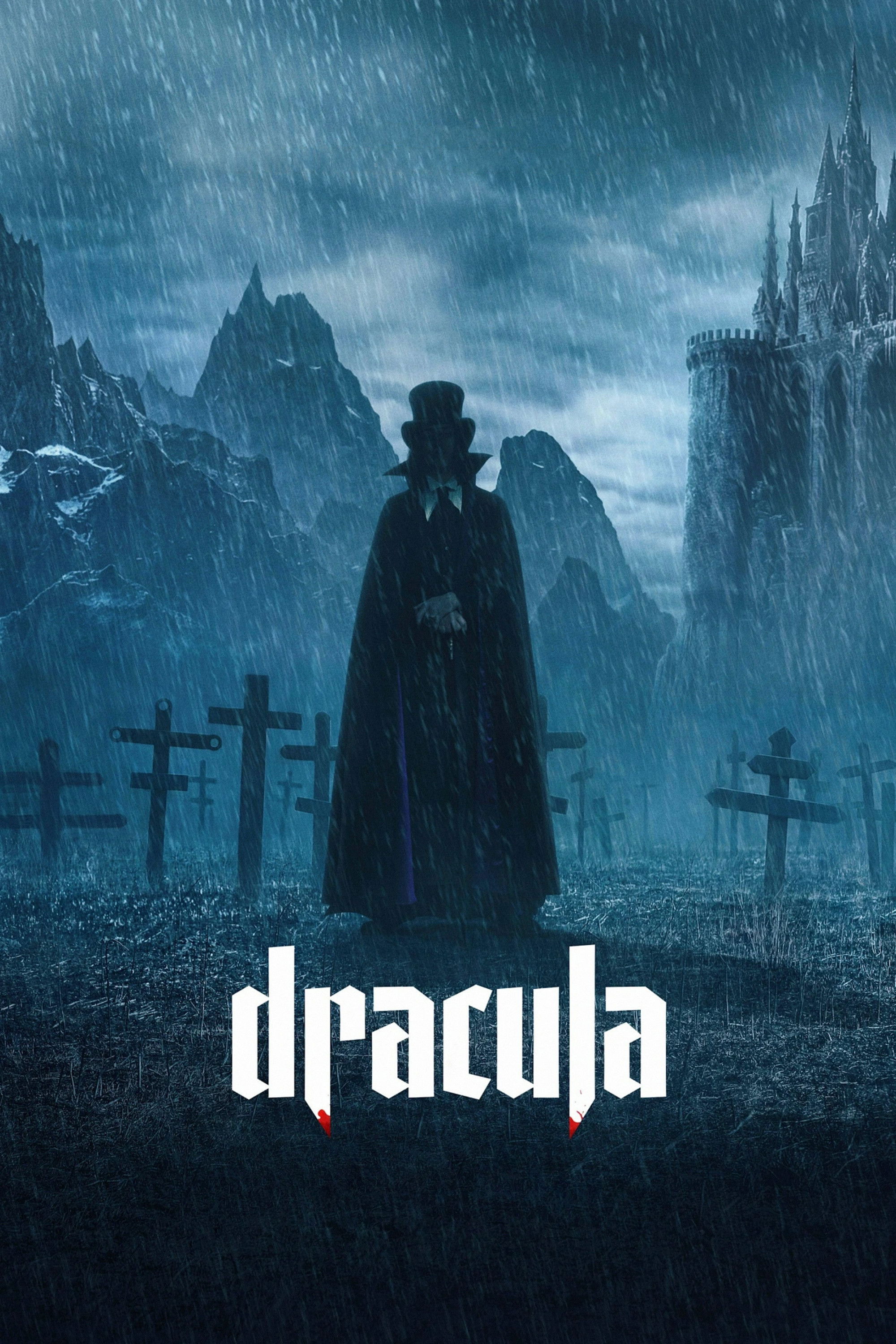
Luc Besson's 'Dracula' is a gothic romantic fantasy that sticks closely to traditional vampire lore, emphasizing eternal love, reincarnation, and supernatural tragedy without injecting contemporary social justice themes or identity politics.
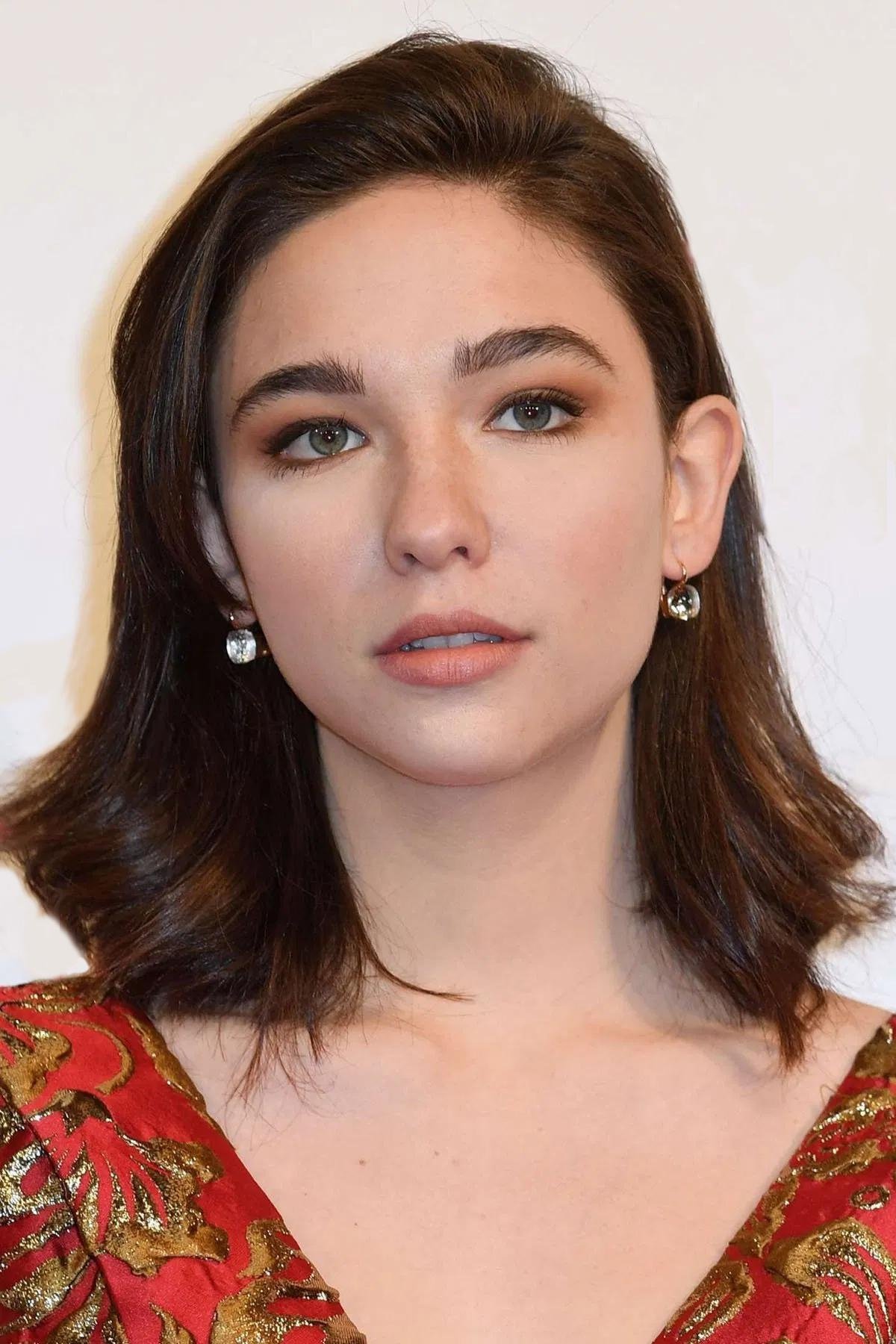
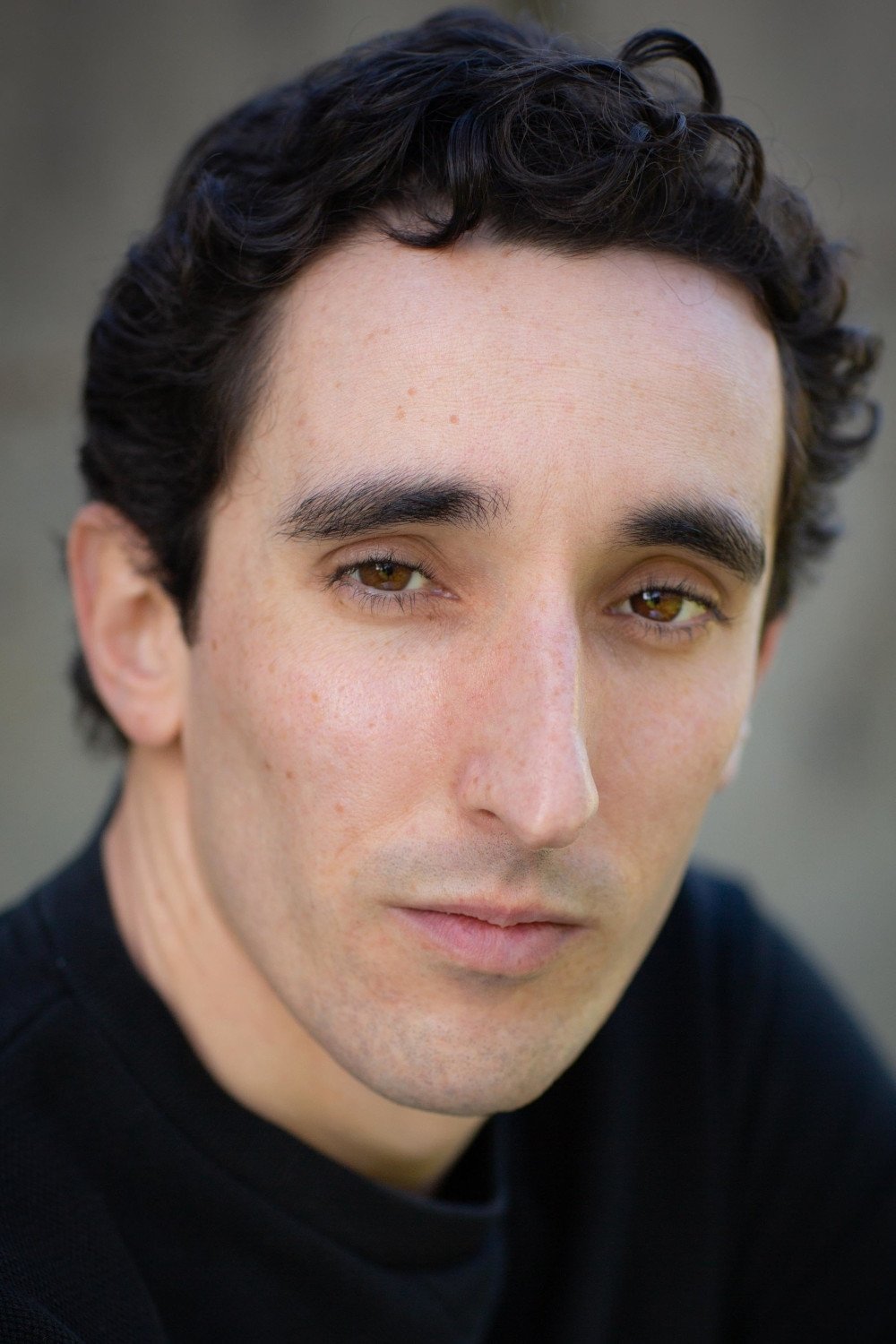
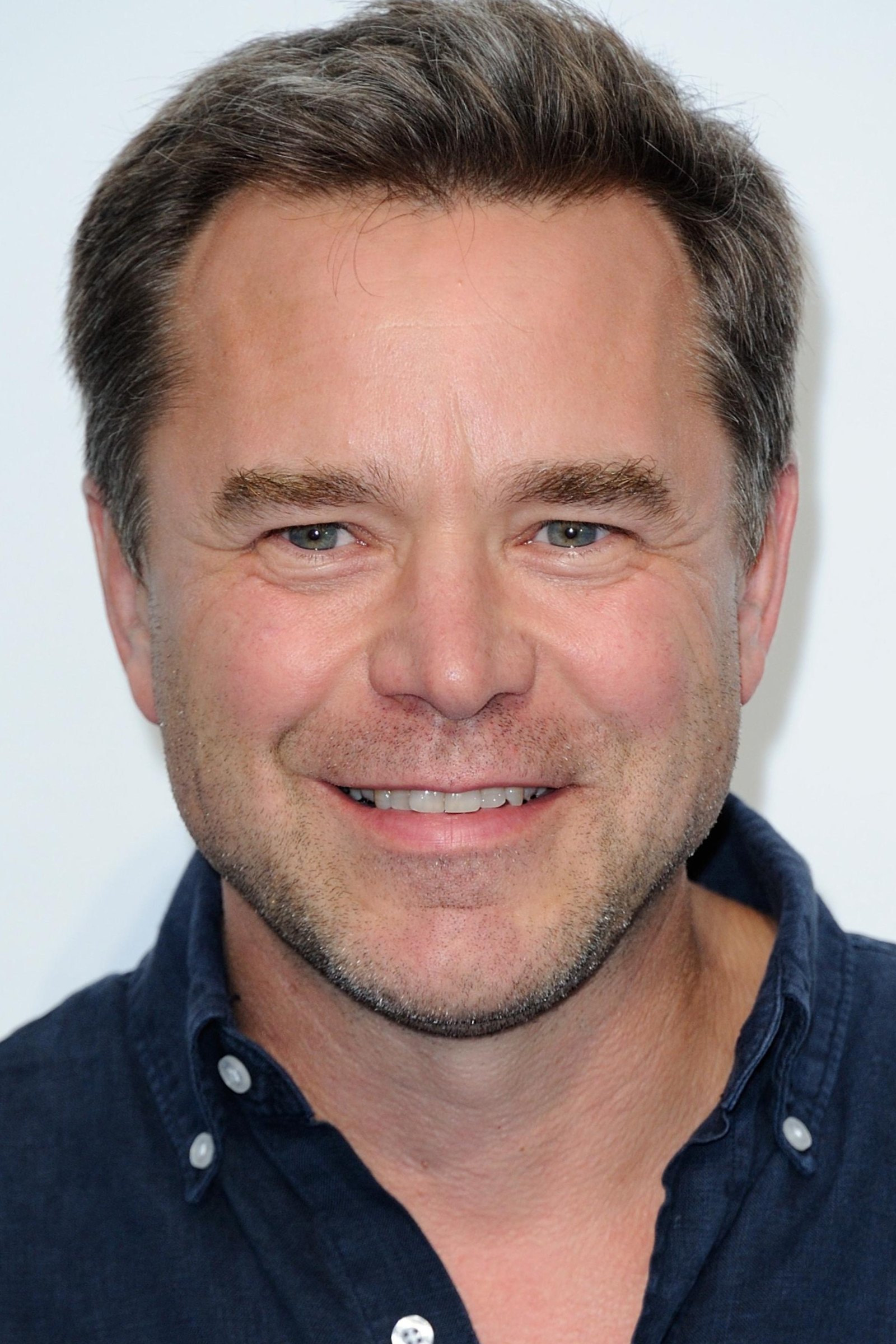
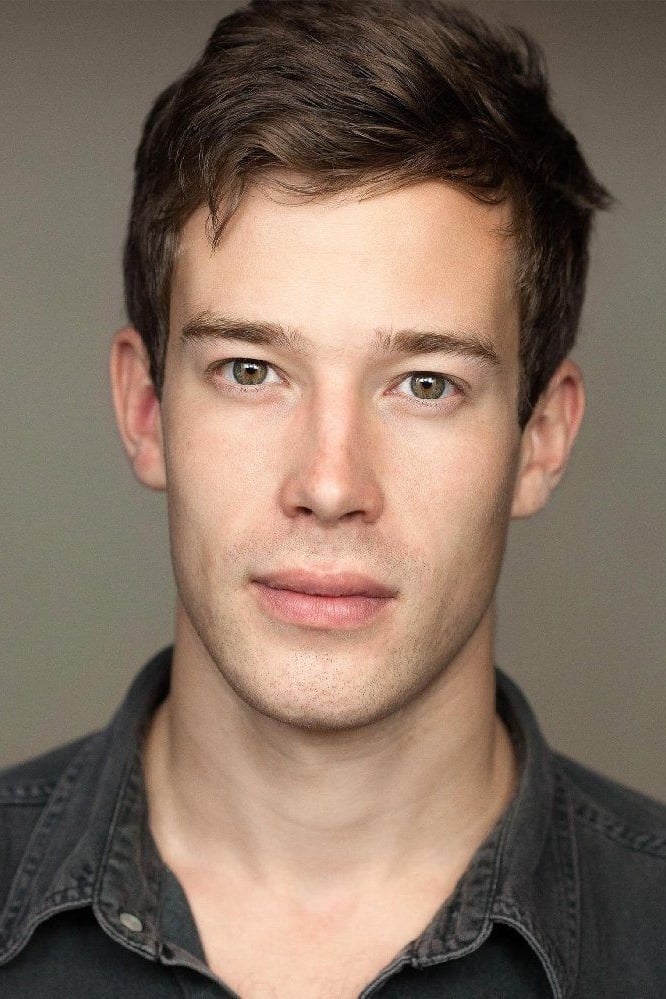
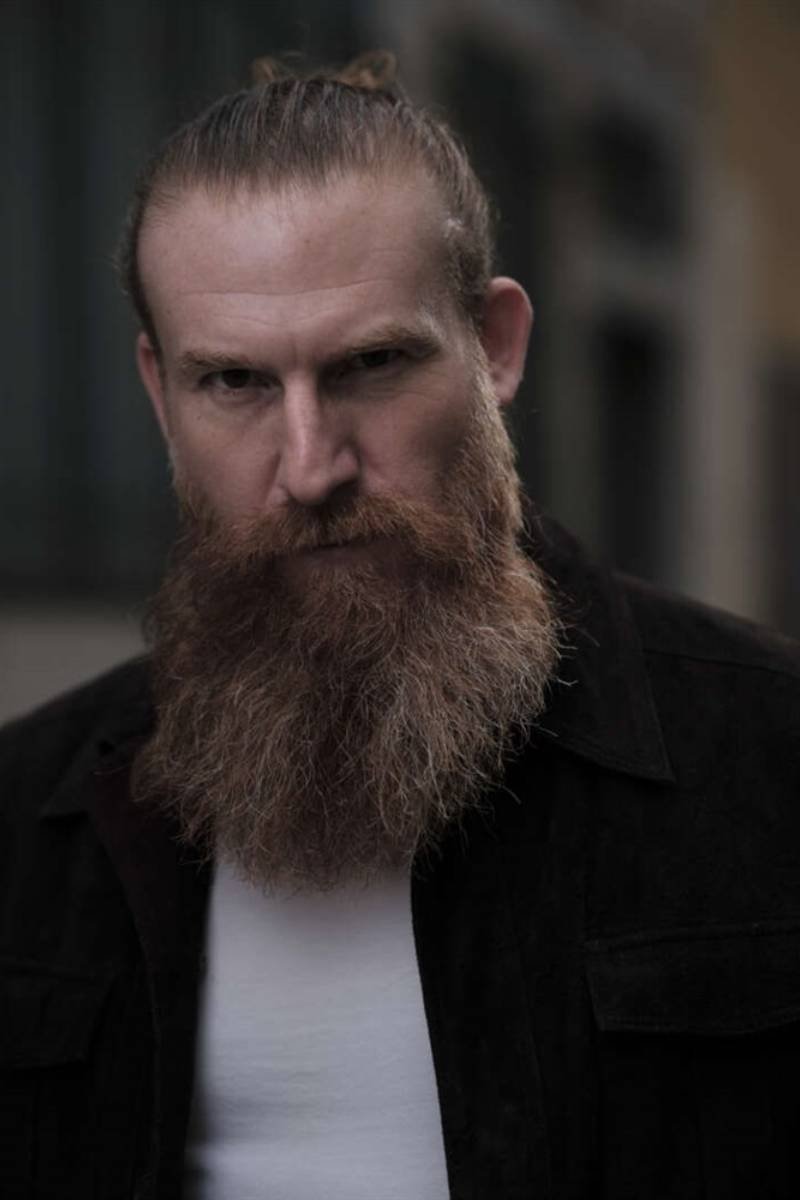
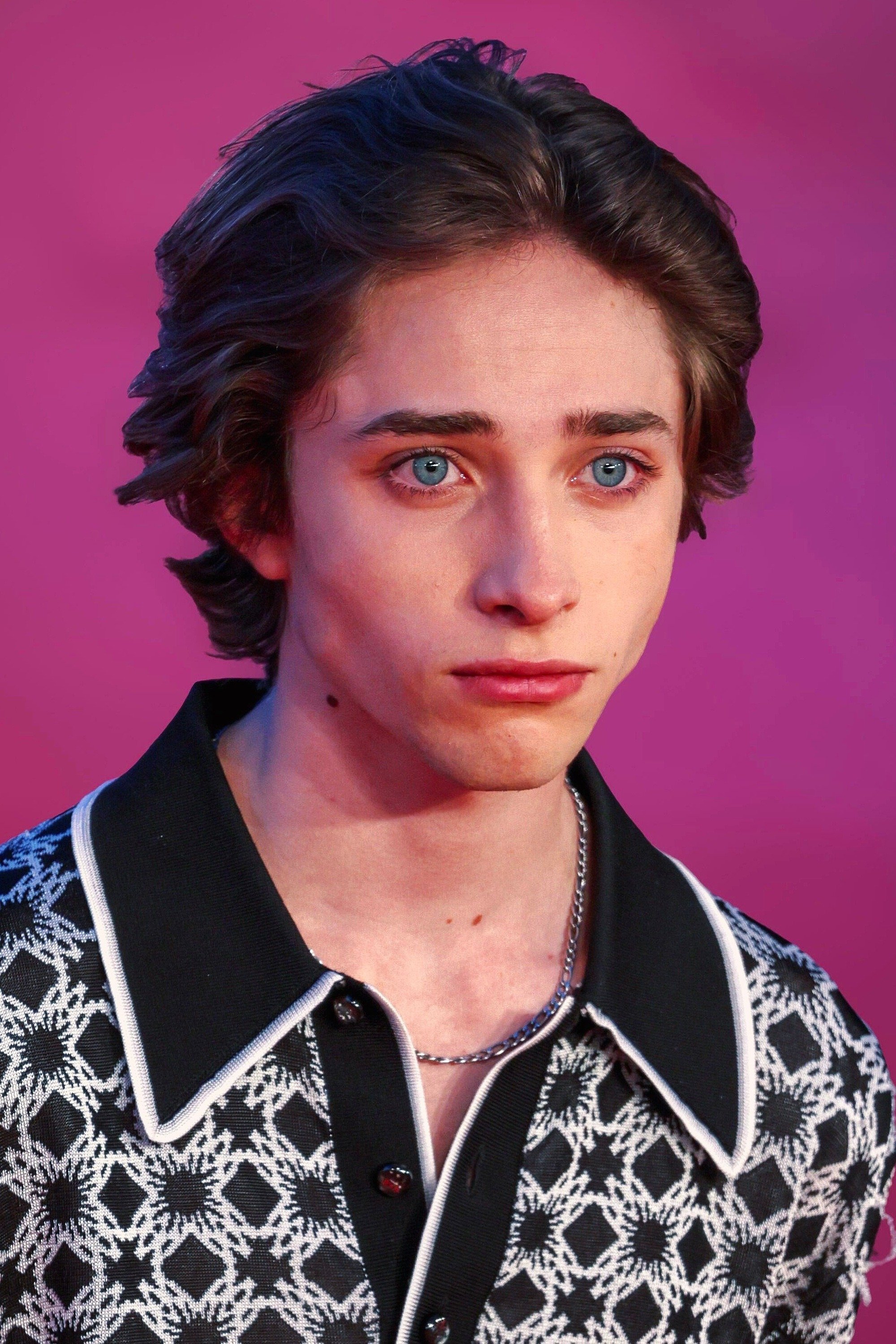
The narrative centers on Prince Vlad's transformation into Dracula after losing his wife Elisabeta to Ottoman invaders, his centuries-long quest for her reincarnation as Mina, and clashes with vampire hunters in 1889 Paris—pure entertainment driven by horror, fantasy, and romance. Casting features a predominantly white international ensemble fitting the 15th-century Eastern European and Victorian-era settings, with Caleb Landry Jones delivering a haunting lead performance as the lovesick vampire, Christoph Waltz as the priestly antagonist, and Zoë Bleu Sidel as the ethereal love interest. The sole incidental diversity is Ewens Abid, a French actor of apparent North African descent, as Jonathan Harker, a minor supporting role as a Parisian solicitor that feels organic to the film's French production and Paris scenes without clashing narratively or sparking backlash.
No race- or gender-swapping of core characters, no prominent LGBTQ+ representation, no dialogue on systemic issues, patriarchy critiques, or DEI mandates. Director Besson explicitly frames it as a 'love tale' inspired by classic adaptations like Coppola's, prioritizing visual spectacle, Danny Elfman's score, and emotional pathos over messaging. Reception is mixed from critics but strongly positive from audiences (81% RT), with praise for performances and style, and zero notable controversy over wokeness—only gripes about tonal inconsistency or similarities to prior films. This refreshing adherence to timeless storytelling unmarred by progressive intrusions makes it a solid genre entry focused purely on escapist thrills.
Methodology: Each score synthesizes audience discourse, critic and aggregator reception, and press coverage — weighed against the work itself, not any single source.
See how this title scores across all 5 woke subcategories with detailed explanations.
Unlock with ProFrom $3/month · 3-day trial for $1
Every Friday: the week's most ideologically-loaded releases, scored — with the breakdown the headlines skip. Free, no spam, unsubscribe anytime.
We've run a full content analysis on Dracula and scored it 2/10 on the woke scale. Read our detailed breakdown above to see exactly what we found.
Our analysis checks for themes like identity politics, race-swapping, gender ideology, environmental activism, anti-religious messaging, and other progressive agenda elements. The score breakdown above shows which specific categories were flagged and how heavily they factor into Dracula's overall score.
Wokeometer focuses on ideological content rather than traditional ratings (violence, language, etc.). Dracula is rated R. For a full picture, combine our woke analysis with the age ratingto decide if it's right for your family.
We evaluate media across multiple ideological categories on a 0–10 scale. Scores of 0–3 mean story-first, 4–6 have moderate elements, and 7–10 flag heavily agenda-driven content. Learn more about our methodology →
No reviews yet
Be the first to share what you thought of Dracula.
Similar titles you might enjoy