Box Office
Underperformed · 1.7xBudget$100M
Worldwide Gross$171.7M
Blood Diamond scores a low 3/10 on wokeness by focusing on an original story of redemption, family, and the human cost of conflict diamonds rather than identity politics or systemic oppression narratives. Its 2006 release features only light, organic commentary on ethical sourcing that fits the premise without DEI mandates or forced diversity.
We've run a full content analysis on Blood Diamond and scored it 3/10 on the woke scale. Read our detailed breakdown above to see exactly what we found.
Our analysis checks for themes like identity politics, race-swapping, gender ideology, environmental activism, anti-religious messaging, and other progressive agenda elements. The score breakdown above shows which specific categories were flagged and how heavily they factor into Blood Diamond's overall score.
Wokeometer focuses on ideological content rather than traditional ratings (violence, language, etc.). Blood Diamond is rated R. For a full picture, combine our woke analysis with the age rating to decide if it's right for your family.
We evaluate media across multiple ideological categories on a 0–10 scale. Scores of 0–3 mean story-first, 4–6 have moderate elements, and 7–10 flag heavily agenda-driven content. Learn more about our methodology →
Blood Diamond centers on an original story of a white Rhodesian smuggler Danny Archer and Mende fisherman Solomon Vandy teaming up amid the 1999 Sierra Leone civil war to recover a pink diamond and rescue Vandy's son from rebel forces.
The narrative highlights real historical atrocities including child soldier conscription by the RUF, forced diamond mining, amputations, and how conflict diamonds fund violence, while Archer undergoes a redemption arc and the story critiques Western diamond industry complicity through journalist Maddy Bowen.
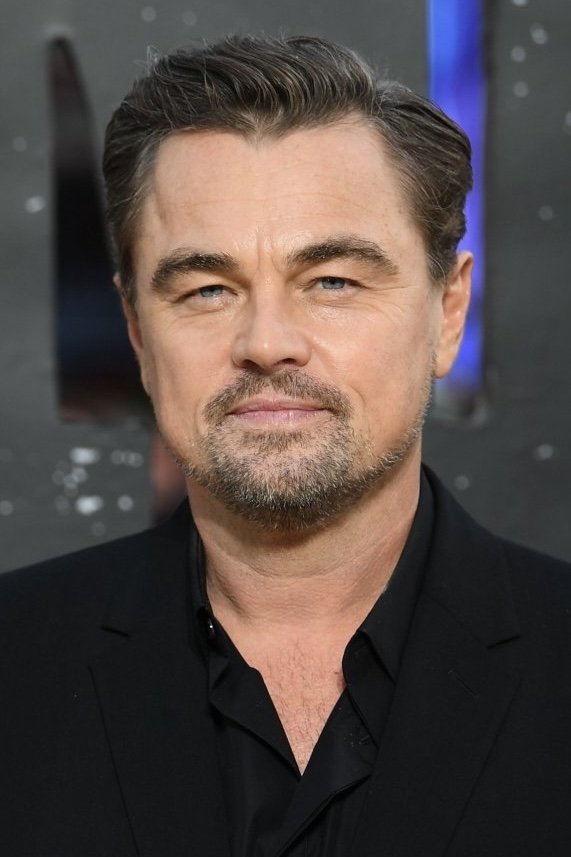
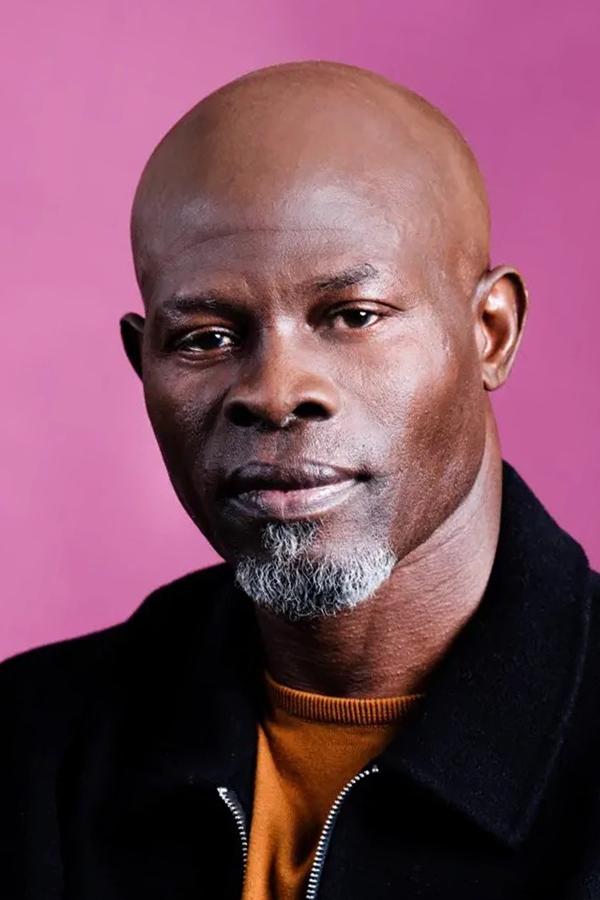
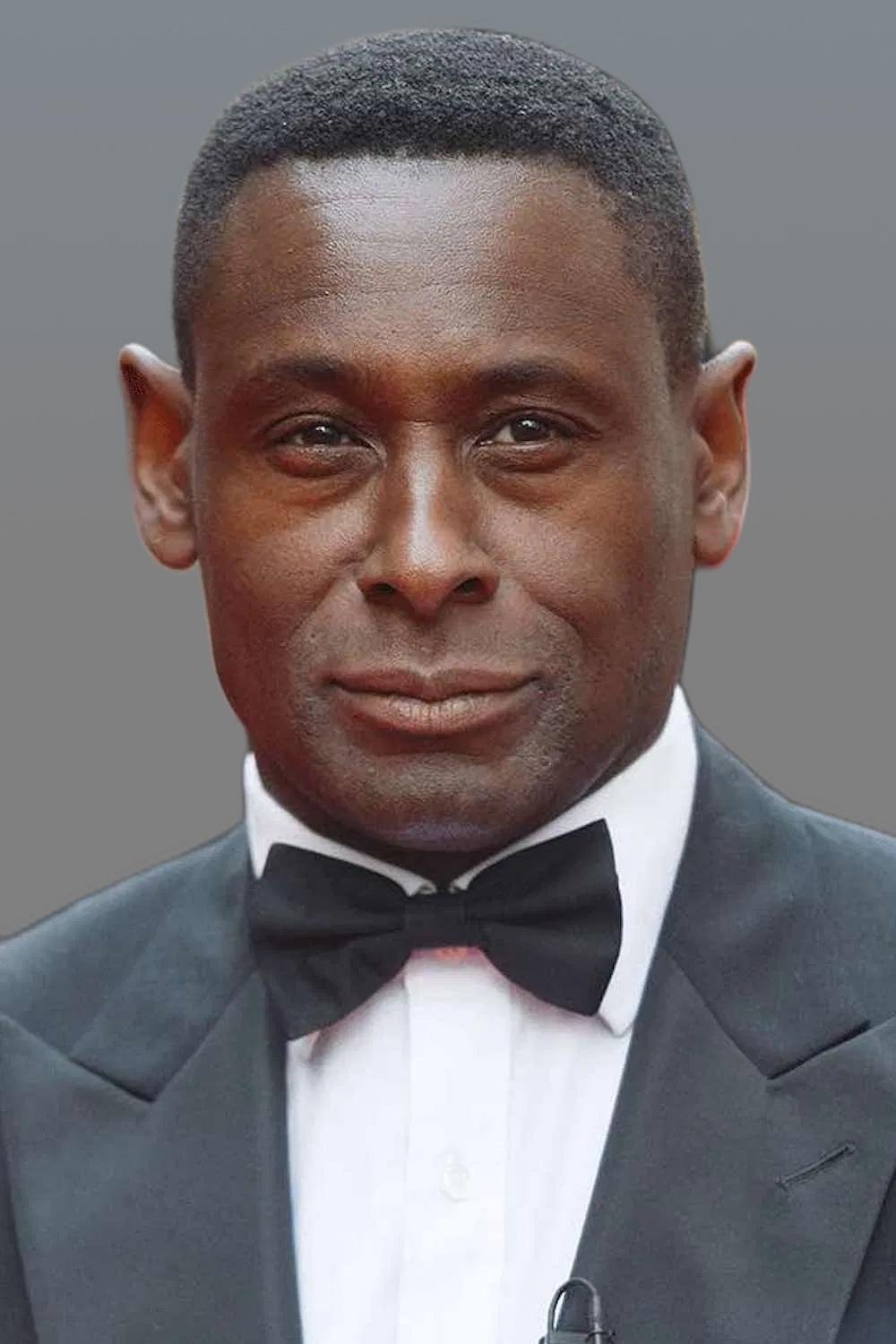
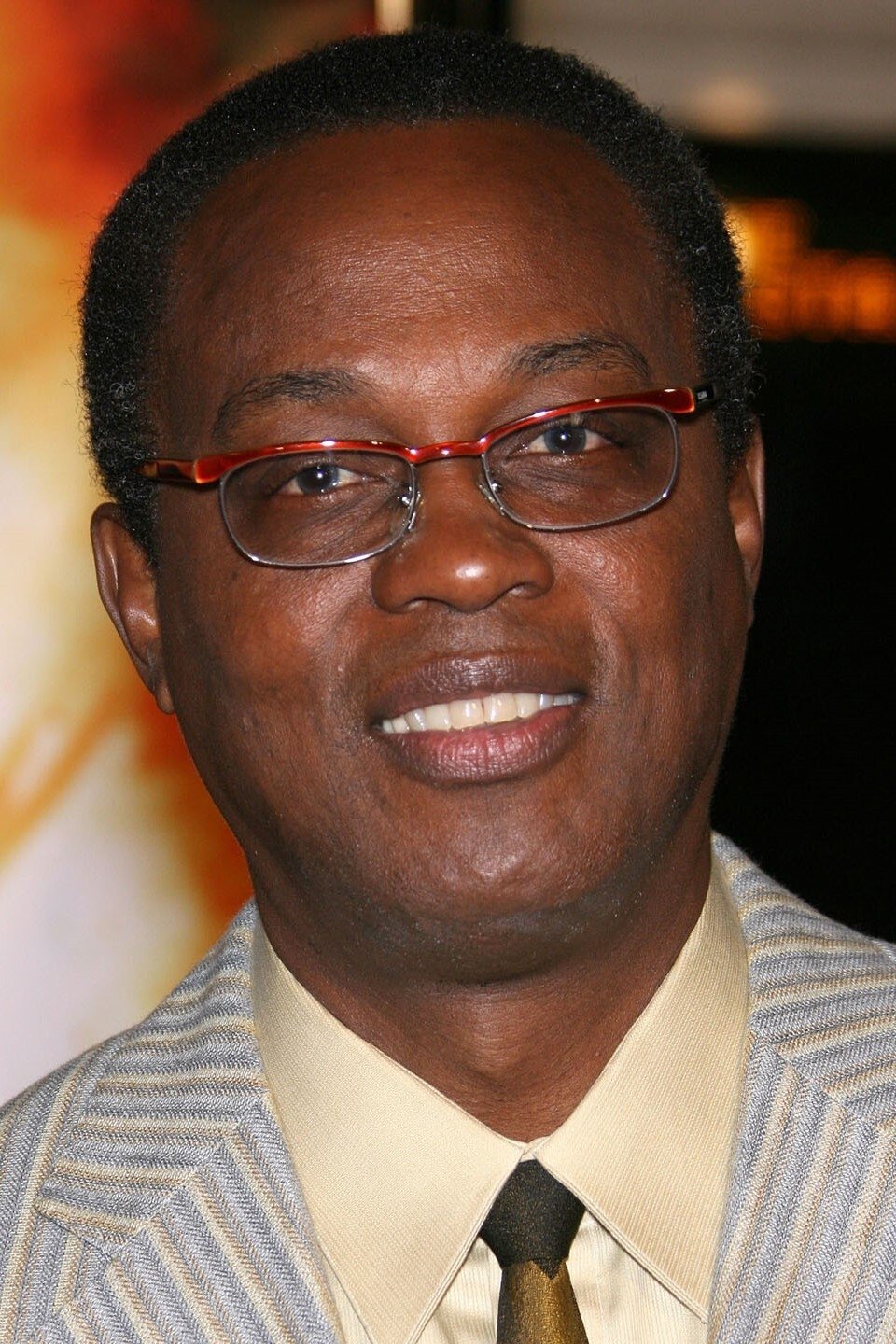
Casting aligns authentically with the setting and characters: DiCaprio plays the cynical white ex-mercenary with apartheid ties, and Hounsou portrays the determined black African fisherman, with no race or gender swaps of pre-existing figures. Supporting roles such as Captain Poison further fit the Sierra Leone context without forced diversity mandates.
Themes focus on exploitation, family bonds, consumer responsibility for ethical sourcing, and the human cost of resource wars rather than identity politics, systemic oppression narratives tied to contemporary activism, or critiques of traditional norms. Director Edward Zwick emphasized entertaining storytelling first with factual awareness of conflict diamonds and child soldiers, not activist messaging. The 2006 release predates modern DEI frameworks, resulting in only light, incidental social commentary organic to the premise.
Methodology: Each score synthesizes audience discourse, critic and aggregator reception, and press coverage — weighed against the work itself, not any single source.
See how this title scores across all 5 woke subcategories with detailed explanations.
Unlock with ProFrom $3/month · 3-day trial for $1
A curated roundup of newly scored movies, shows, and games, with the context behind the scores. Free. Unsubscribe anytime.
Privacy policy
While the plot does try to portray the film in a woke manner, what ends up happening is that you end up sympathising with the Rhodesian charachter, with the charachter movie wants you to care about being easily forgettable. If the movie ended at Archers death it would have been a 0 on woke scale, however the last 20 minutes are unneccesarily preachy, thus the rating of 3
Similar titles you might enjoy
Browse Wokeometer by service
Browse Wokeometer by service