Comprar este título
Comprar este título
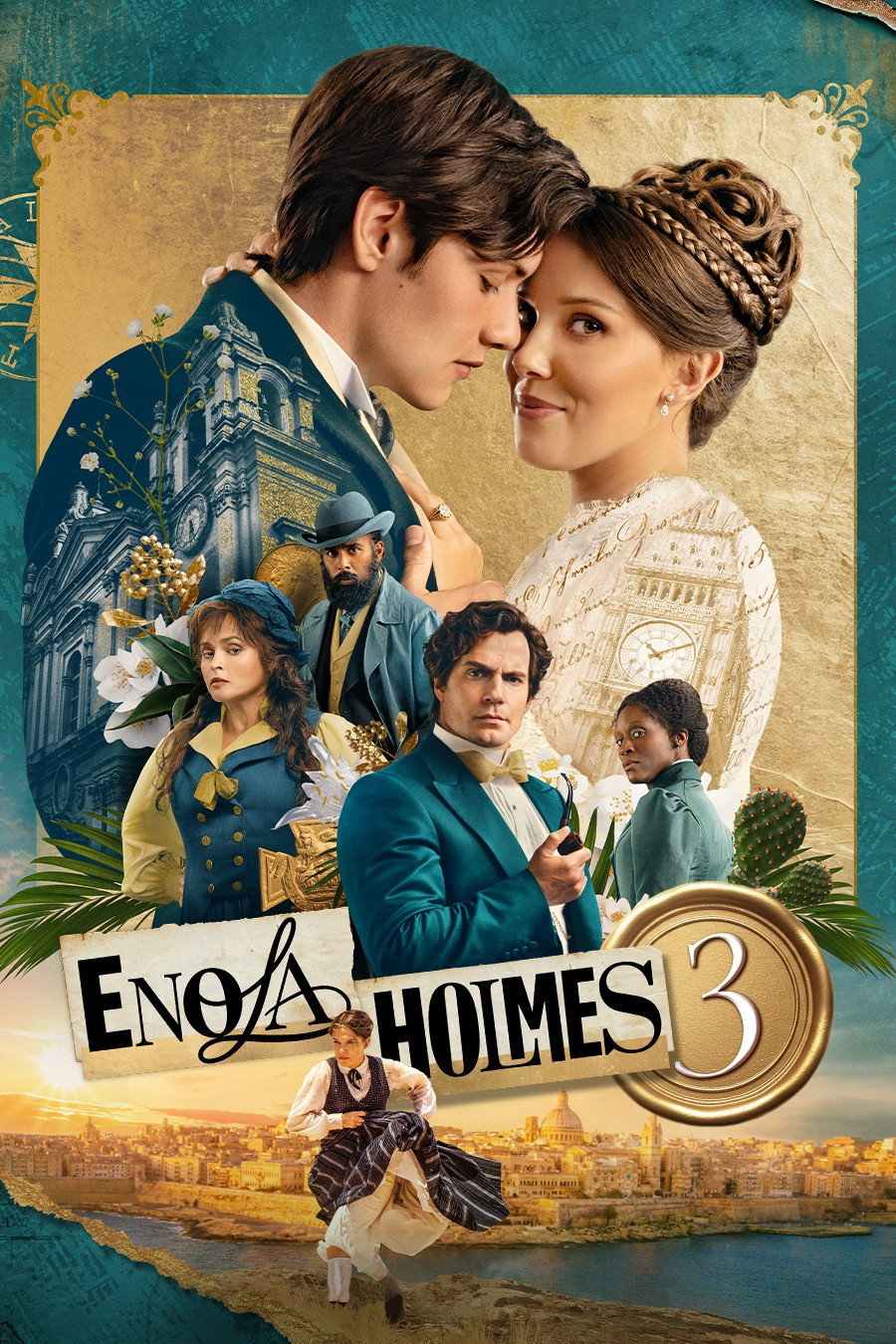
Enola Holmes 3
Podemos receber uma comissão por compras feitas por estes links.
Busque por formato em lojas dos EUA. Confira o título e a edição antes de comprar.
Explorar Prime Video — Abre em uma nova aba
A disponibilidade do catálogo e as condições da assinatura variam.
Enola Holmes 3
movie·PG-13·Jul 1, 2026·
Comprar
Comprar este título
Enola Holmes 3
Podemos receber uma comissão por compras feitas por estes links.
Busque por formato em lojas dos EUA. Confira o título e a edição antes de comprar.
Explorar Prime Video — Abre em uma nova aba
A disponibilidade do catálogo e as condições da assinatura variam.
Enola Holmes 3
movie
PG-13
July 1, 2026
Wokeometer Rating
7Woke
1/10
Scale: 0 = not woke, 10 = maximally woke
TL;DR Verdict
Enola Holmes 3 ganha uma 7/10 woke score por trocar a raça de Moriarty e Watson enquanto centraliza a culpa anti-império sobre o ouro afegão roubado e os pecados coloniais. Evite se quiser mistério clássico sem as lições.
Detailed Analysis
Enola Holmes 3 ganha 7 por causa de alterações deliberadas de elenco e enquadramento temático que embutem críticas progressistas ao império e à identidade na estrutura de mistério e aventura.
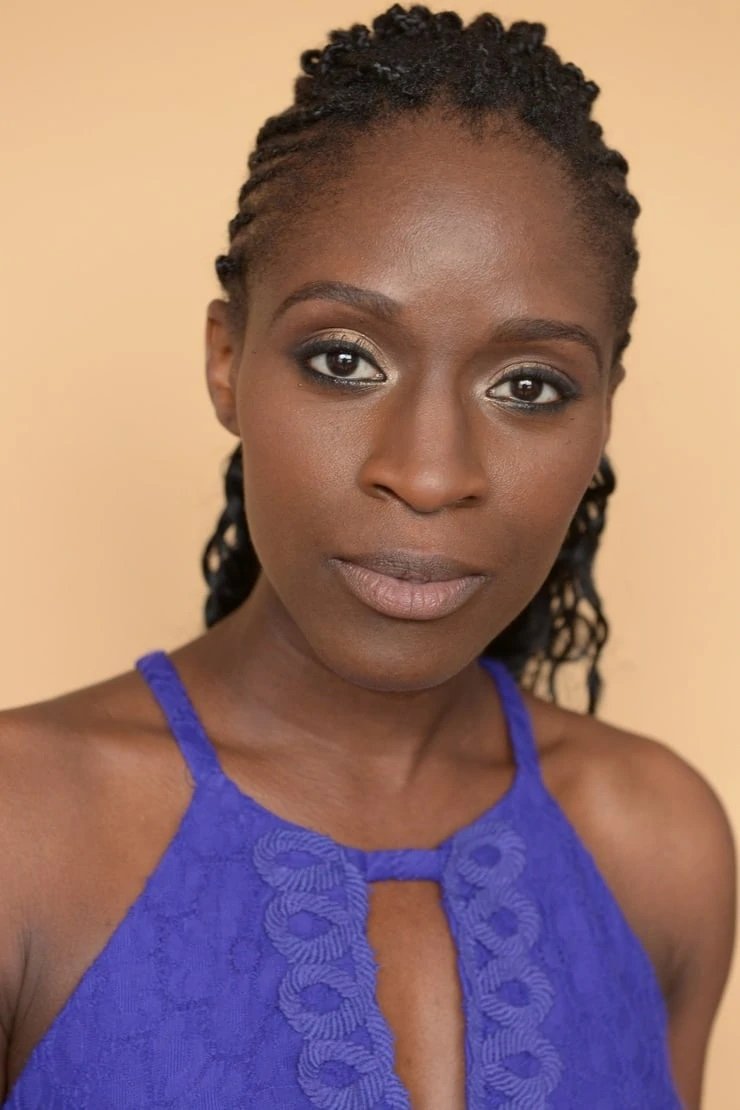
Sharon Duncan-Brewster, uma atriz negra, reprisa o papel de Moriarty (revelada como Mira Troy/Professor Adeline Rathe), uma versão com troca de gênero e raça do vilão canônico masculino cujas motivações no filme anterior estavam explicitamente ligadas à vingança por injustiças sistêmicas; a terceira parte aprofunda isso com seu sequestro de Sherlock e manobras políticas em Malta. Himesh Patel, de descendência indiana, interpreta o Dr. John Watson, outro personagem estabelecido com troca de raça em relação à tradicional representação branca.
O enredo central gira em torno de crimes coloniais britânicos, incluindo ouro afegão roubado da Batalha de Khost transportado para Malta, com Enola e Sherlock garantindo sua devolução ao Afeganistão como reconhecimento de que 'nunca pertenceu à Grã-Bretanha', enquanto Tewkesbury renuncia ao título e ao assento na Câmara dos Lordes ao descobrir o envolvimento imperial de seu pai. O roteirista Jack Thorne intencionalmente ficcionalizou esses elementos para explorar 'a complicação do império' e o status colonial de Malta.
O arco do casamento de Enola com Tewkesbury destaca a independência feminina versus o casamento na sociedade vitoriana como conflito recorrente. Respostas de público e crítica mostram recepção mista, com 69% no Rotten Tomatoes e reclamações sobre execução formulaica, embora sem ampla rotulação de 'go woke go broke'; um site de análise deu 4/10 em métricas woke, subestimando a centralidade do subplot do império.
Methodology: Each score synthesizes audience discourse, critic and aggregator reception, and press coverage — weighed against the work itself, not any single source.
Detailed BreakdownPro
Free Preview1 of 5 categories unlocked
Corporate & Creator Activism7
Writer Jack Thorne explicitly fictionalized historical elements to explore 'the complication of empire' and Malta's colonial status, integrating progressive critiques of imperialism into the adventure framework as a deliberate creative choice.
Identity Politics & Racial Essentialism
Gender Ideology & LGBTQ+ Themes
DEI Casting & Representation Mandates
Preachiness & Message-First Agenda
Unlock the other 4 categories — including Identity Politics and Gender Ideology — with detailed explanations.
Unlock with ProFrom $3/month · 3-day trial for $1
The Woke Report
Uma seleção de filmes, séries e jogos recém-avaliados, com o contexto das notas. Grátis. Cancele quando quiser.
Política de privacidadeDireção
Is Enola Holmes 3 Woke?
We've run a full content analysis on Enola Holmes 3 and scored it 7/10 on the woke scale. Read our detailed breakdown above to see exactly what we found.
Audience Fit is the inverse of the community's average woke rating of 9.5/10: the less woke our audience finds a title, the more stars it earns. Based on 4 audience ratings.
Frequently Asked Questions
What kind of woke content is in Enola Holmes 3?
Our analysis checks for themes like identity politics, race-swapping, gender ideology, environmental activism, anti-religious messaging, and other progressive agenda elements. The score breakdown above shows which specific categories were flagged and how heavily they factor into Enola Holmes 3's overall score.
Is Enola Holmes 3 family-friendly?
Wokeometer focuses on ideological content rather than traditional ratings (violence, language, etc.). Enola Holmes 3 is rated PG-13. For a full picture, combine our woke analysis with the age rating to decide if it's right for your family.
How does Wokeometer score movies?
We evaluate media across multiple ideological categories on a 0–10 scale. Scores of 0–3 mean story-first, 4–6 have moderate elements, and 7–10 flag heavily agenda-driven content. Learn more about our methodology →