Comprar este jogo
Comprar este jogo
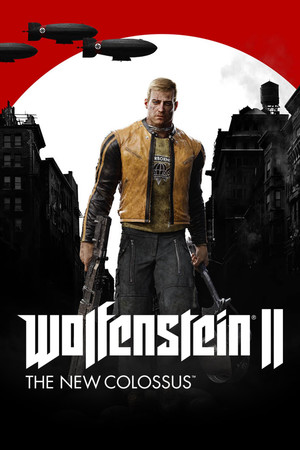
Wolfenstein II: The New Colossus
Podemos receber uma comissão por compras feitas por estes links.
Jogos físicos
Busque por formato em lojas dos EUA. Confira o título e a edição antes de comprar.
Wolfenstein II: The New Colossus
game·M·Oct 26, 2017·
Comprar
Comprar este jogo
Wolfenstein II: The New Colossus
Podemos receber uma comissão por compras feitas por estes links.
Jogos físicos
Busque por formato em lojas dos EUA. Confira o título e a edição antes de comprar.
Wolfenstein II: The New Colossus
game
M
October 26, 2017
Wokeometer Rating
5Mixed
Scale: 0 = not woke, 10 = maximally woke
TL;DR Verdict
Wolfenstein II: 5/10 woke. Elenco diverso e temas progressistas sutis como arcos feministas adicionam sabor, mas permanecem secundários à ação high-octane de matar nazistas, conquistando avaliações fortes com backlash mínimo.
Detailed Analysis
Wolfenstein II: The New Colossus apresenta elementos progressistas notáveis por meio de seu elenco diverso da resistência, incluindo a proeminente líder negra Grace Walker com discursos revolucionários abordando a opressão sob o domínio nazista, uma personagem feminina acima do peso e representação minoritária LGBTQ+ como uma membro lésbica da resistência.
O diálogo inclui discussões com sabor moderno sobre questões sistêmicas e humanizando nazistas como 'homens' em vez de monstros, além de subtom feminista no arco de BJ de assassino hiper-masculino para homem de família apoiado por sua esposa judia grávida que luta contra nazistas. Estes influenciam arcos de personagens e subtramas, mas permanecem secundários à premissa central de um jogo de ação high-octane de atirar em nazistas em uma América de história alternativa de 1961.
Nenhuma evidência de consultoria DEI como Sweet Baby Inc., troca de raça/gênero de personagens estabelecidos, mecânicas de pronomes ou intenção ativista declarada pelo criador além de abraçar temas anti-nazistas. A recepção foi forte com altas notas de críticos/usuários (87 no Metacritic) e 86% positivo no Steam, com backlash mínimo no lançamento (principalmente incômodo da alt-right com matar nazistas) e alguma rotulagem anti-woke recente por diversidade, mas sem falha de vendas ou bombardeio de reviews ligado à ideologia.
Methodology: Each score synthesizes audience discourse, critic and aggregator reception, and press coverage — weighed against the work itself, not any single source.
Detailed BreakdownPro
Free Preview1 of 5 categories unlocked
Corporate & Creator Activism0
No evidence of creator interviews on inclusion mandates, studio DEI initiatives, ESG decisions, or marketing centered on progressive credentials beyond standard anti-Nazi themes.
Identity Politics & Racial Essentialism
Gender Ideology & LGBTQ+ Themes
DEI Casting & Representation Mandates
Preachiness & Message-First Agenda
Unlock the other 4 categories — including Identity Politics and Gender Ideology — with detailed explanations.
Unlock with ProFrom $3/month · 3-day trial for $1
The Woke Report
Uma seleção de filmes, séries e jogos recém-avaliados, com o contexto das notas. Grátis. Cancele quando quiser.
Política de privacidadeIs Wolfenstein II: The New Colossus Woke?
We've run a full content analysis on Wolfenstein II: The New Colossus and scored it 5/10 on the woke scale. Read our detailed breakdown above to see exactly what we found.
Frequently Asked Questions
What kind of woke content is in Wolfenstein II: The New Colossus?
Our analysis checks for themes like identity politics, race-swapping, gender ideology, environmental activism, anti-religious messaging, and other progressive agenda elements. The score breakdown above shows which specific categories were flagged and how heavily they factor into Wolfenstein II: The New Colossus's overall score.
Is Wolfenstein II: The New Colossus appropriate for kids?
Wokeometer focuses on ideological content rather than traditional ratings (violence, language, etc.). Wolfenstein II: The New Colossus is rated M. For a full picture, combine our woke analysis with the age rating to decide if it's right for your family.
How does Wokeometer score video games?
We evaluate media across multiple ideological categories on a 0–10 scale. Scores of 0–3 mean story-first, 4–6 have moderate elements, and 7–10 flag heavily agenda-driven content. Learn more about our methodology →