Comprar este jogo
Comprar este jogo
Resonance: A Plague Tale Legacy
Podemos receber uma comissão por compras feitas por estes links.
Jogos físicos
Busque por formato em lojas dos EUA. Confira o título e a edição antes de comprar.
Resonance: A Plague Tale Legacy
game·Aug 27, 2026·
Comprar
Comprar este jogo
Resonance: A Plague Tale Legacy
Podemos receber uma comissão por compras feitas por estes links.
Jogos físicos
Busque por formato em lojas dos EUA. Confira o título e a edição antes de comprar.
Resonance: A Plague Tale Legacy
game
August 27, 2026
Wokeometer Rating
5Mixed
Scale: 0 = not woke, 10 = maximally woke
TL;DR Verdict
O jogo adiciona uma nova protagonista com um vínculo de companheira chave e reimagina uma figura mitológica, atraindo algumas críticas por atualizações modernas, mas essas mudanças apoiam a história sem centralizar temas de identidade. Essa abordagem equilibrada atinge uma pontuação moderada de 5/10.
Detailed Analysis
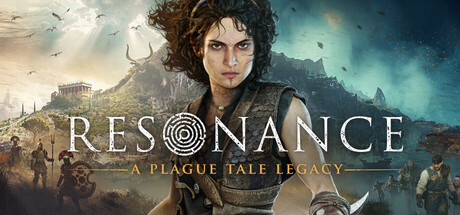
Sophia serve como a nova protagonista, uma personagem original retratada como uma contrabandista robusta, tatuada, de pele mais escura e lutadora habilidosa criada em uma gangue veneziana; seu estilo de combate agressivo e independência impulsionam a mudança de aventura de ação em relação às entradas furtivas anteriores.
A narrativa centra em seu passado, visões que a ligam à Prima Macula e um forte vínculo com a companheira Leni, explicitamente descrita em críticas como sua namorada com falas como “Eu teria feito qualquer coisa por ela”, adicionando uma dinâmica proeminente de relacionamento feminino. Sequências da linha do tempo antiga reimaginam Teseu como uma soldado feminina cretense, alterando a figura mitológica estabelecida.
Declarações do desenvolvedor enfatizam a reinvenção criativa e um novo cenário na Creta minoica sem enquadramento ativista ou menções a consultoria, enquanto as reações do público no X e em fóruns destacam o contragolpe contra a protagonista "girlboss", elementos queer implícitos e diversidade histórica como "woke". Essas mudanças influenciam arcos de personagens e subtramas sem tornar a política de identidade a premissa ou o principal motor emocional.
Methodology: Each score synthesizes audience discourse, critic and aggregator reception, and press coverage — weighed against the work itself, not any single source.
Detailed BreakdownPro
Free Preview1 of 5 categories unlocked
Corporate & Creator Activism2
Developer statements focus on creative reinvention and the new setting without activist framing, ESG references, or marketing centered on progressive credentials, though audience reactions note perceived 'woke' elements in the changes.
Identity Politics & Racial Essentialism
Gender Ideology & LGBTQ+ Themes
DEI Casting & Representation Mandates
Preachiness & Message-First Agenda
Unlock the other 4 categories — including Identity Politics and Gender Ideology — with detailed explanations.
Unlock with ProFrom $3/month · 3-day trial for $1
The Woke Report
Uma seleção de filmes, séries e jogos recém-avaliados, com o contexto das notas. Grátis. Cancele quando quiser.
Política de privacidadeIs Resonance: A Plague Tale Legacy Woke?
We've run a full content analysis on Resonance: A Plague Tale Legacy and scored it 5/10 on the woke scale. Read our detailed breakdown above to see exactly what we found.
Audience Fit is the inverse of the community's average woke rating of 7.1/10: the less woke our audience finds a title, the more stars it earns. Based on 7 audience ratings.
Frequently Asked Questions
What kind of woke content is in Resonance: A Plague Tale Legacy?
Our analysis checks for themes like identity politics, race-swapping, gender ideology, environmental activism, anti-religious messaging, and other progressive agenda elements. The score breakdown above shows which specific categories were flagged and how heavily they factor into Resonance: A Plague Tale Legacy's overall score.
Is Resonance: A Plague Tale Legacy appropriate for kids?
Wokeometer focuses on ideological content rather than traditional ratings (violence, language, etc.). For a full picture, combine our woke analysis with the official content rating to decide if it's right for your family.
How does Wokeometer score video games?
We evaluate media across multiple ideological categories on a 0–10 scale. Scores of 0–3 mean story-first, 4–6 have moderate elements, and 7–10 flag heavily agenda-driven content. Learn more about our methodology →


