Comprar este jogo
Comprar este jogo
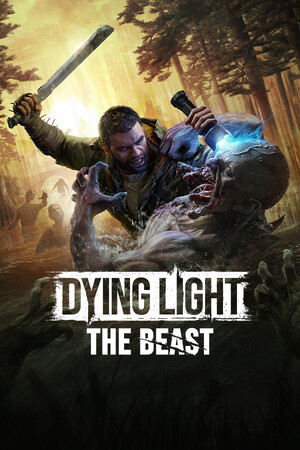
Dying Light: The Beast
Podemos receber uma comissão por compras feitas por estes links.
Jogos físicos
Busque por formato em lojas dos EUA. Confira o título e a edição antes de comprar.
Dying Light: The Beast
game·Sep 18, 2025·
Comprar
Comprar este jogo
Dying Light: The Beast
Podemos receber uma comissão por compras feitas por estes links.
Jogos físicos
Busque por formato em lojas dos EUA. Confira o título e a edição antes de comprar.
Dying Light: The Beast
game
September 18, 2025
Wokeometer Rating
0Based
Scale: 0 = not woke, 10 = maximally woke
TL;DR Verdict
Dying Light: The Beast é um perfeito 0/10 em wokeness—horror de sobrevivência zumbi puro com zero política, DEI ou agendas de identidade, entregando emoções e história sem filtros.
Detailed Analysis
Dying Light: The Beast exibe virtualmente nenhuma influência ideológica progressista em narrativa, elenco, temas ou recepção.
A narrativa foca puramente em elementos tradicionais de horror de sobrevivência: Kyle Crane escapando de um laboratório, batalhando infectados evoluídos em um apocalipse zumbi rural, abraçando poderes bestiais para vingança e sobrevivência, sem mensagens de justiça social, políticas de identidade ou críticas a normas. Personagens são padrão para o gênero, com protagonista Kyle Crane como um operador masculino branco; elenco de apoio tem variedade étnica incidental em nomes (ex.: Camilo Marin, Ray Sato) que parece orgânica para um cenário moderno, não forçada ou destacada. Nenhuma representação LGBTQ+, pronomes não-binários, arcos românticos ou mandatos de diversidade aparecem no jogo.
Techland não mostra envolvimento de consultores DEI como Sweet Baby Inc., leitores de sensibilidade ou ativismo público; explicitamente classificado como 'DEI Free' por rastreadores. Sem censura de localização, trocas de personagens ou seletores de pronomes. Recepção é positiva (OpenCritic 81 da crítica/90 dos usuários, mais bem avaliado da série), com reclamações limitadas a ritmo de gameplay/história, não ideologia.
Consultas 'woke?' no Steam rendem zombaria e garantia de ausência; X não rende backlash. Essa pureza no entretenimento sem intrusões políticas faz dele um destaque no gênero de ação zumbi.
Methodology: Each score synthesizes audience discourse, critic and aggregator reception, and press coverage — weighed against the work itself, not any single source.
Detailed BreakdownPro
Identity Politics & Racial Essentialism
Gender Ideology & LGBTQ+ Themes
DEI Casting & Representation Mandates
Preachiness & Message-First Agenda
Corporate & Creator Activism
See how this title scores across all 5 woke subcategories with detailed explanations.
Unlock with ProFrom $3/month · 3-day trial for $1
The Woke Report
Uma seleção de filmes, séries e jogos recém-avaliados, com o contexto das notas. Grátis. Cancele quando quiser.
Política de privacidadeIs Dying Light: The Beast Woke?
We've run a full content analysis on Dying Light: The Beast and scored it 0/10 on the woke scale. Read our detailed breakdown above to see exactly what we found.
Frequently Asked Questions
What kind of woke content is in Dying Light: The Beast?
Our analysis checks for themes like identity politics, race-swapping, gender ideology, environmental activism, anti-religious messaging, and other progressive agenda elements. The score breakdown above shows which specific categories were flagged and how heavily they factor into Dying Light: The Beast's overall score.
Is Dying Light: The Beast appropriate for kids?
Wokeometer focuses on ideological content rather than traditional ratings (violence, language, etc.). For a full picture, combine our woke analysis with the official content rating to decide if it's right for your family.
How does Wokeometer score video games?
We evaluate media across multiple ideological categories on a 0–10 scale. Scores of 0–3 mean story-first, 4–6 have moderate elements, and 7–10 flag heavily agenda-driven content. Learn more about our methodology →