Comprar este jogo
Comprar este jogo
Castlevania: Belmont's Curse
Podemos receber uma comissão por compras feitas por estes links.
Jogos físicos
Busque por formato em lojas dos EUA. Confira o título e a edição antes de comprar.
Castlevania: Belmont's Curse
game·T·Oct 14, 2026·
Comprar
Comprar este jogo
Castlevania: Belmont's Curse
Podemos receber uma comissão por compras feitas por estes links.
Jogos físicos
Busque por formato em lojas dos EUA. Confira o título e a edição antes de comprar.
Castlevania: Belmont's Curse
game
T
October 14, 2026
Wokeometer Rating
3Based
1/10
Scale: 0 = not woke, 10 = maximally woke
TL;DR Verdict
Castlevania: Belmont's Curse marca um baixo 3/10 no Wokeometer por focar na herança familiar orgânica e na caça clássica de monstros em Paris de 1499, sem política de identidade ou mensagens externas. Mantém-se fiel à lore original para entretenimento seguro e neutro.
Detailed Analysis
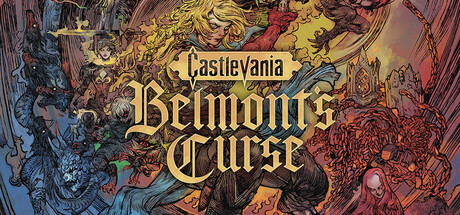
Castlevania: Belmont's Curse introduz Rose Belmont como uma nova protagonista original e filha de Trevor Belmont e Sypha Belnades, que herda a maldição de Drácula de sua mãe em seu braço direito como motivação central para sua jornada de caça a vampiros ambientada em Paris de 1499.
Essa escolha deriva diretamente da lore familiar estabelecida e das mecânicas de maldição, em vez de qualquer impulso externo, com os desenvolvedores afirmando que a protagonista feminina surgiu organicamente durante o desenvolvimento da história para destacar os laços pais-filhos e as apostas emocionais. A abordagem mantém o elenco focado na continuidade narrativa, sem trocas de gênero de personagens estabelecidos ou qualquer destaque de traços de identidade como ponto da história. Os elementos temáticos permanecem ancorados na jogabilidade tradicional de ação-exploração de Castlevania, apresentando chefes clássicos como Carmilla, Medusa, Death e uma reimaginação dentro do universo de Joana d'Arc, através de múltiplos finais focados na herança familiar, caça a monstros e resolução de maldições.
Não há sistemas de romance, opções de criação de personagem, seleção de pronomes ou mecânicas de exploração de identidade, e o projeto não mostra declarações DEI de desenvolvedores, envolvimento de consultoria ou enquadramento narrativo em torno de questões sistêmicas. Isso resulta em um baixo nível de conteúdo ideológico, com elementos progressistas ausentes e a premissa se mantendo fiel ao foco principal de seu material original no conflito sobrenatural. Avaliação oficial: Esta é a avaliação programada para o dia seguinte do contexto disponível no momento da análise; não implica que a obra completa ou temporada tenha sido revisada.
A cobertura relatada é substancial. Limitações relatadas: Lançamento muito recente limita dados de recepção a longo prazo; nenhum roteiro completo ou notas de patch exaustivas revisadas além da descrição da loja e resumos da wiki.
Methodology: Each score synthesizes audience discourse, critic and aggregator reception, and press coverage — weighed against the work itself, not any single source.
Detailed BreakdownPro
Identity Politics & Racial Essentialism
Gender Ideology & LGBTQ+ Themes
DEI Casting & Representation Mandates
Preachiness & Message-First Agenda
Corporate & Creator Activism
See how this title scores across all 5 woke subcategories with detailed explanations.
Unlock with ProFrom $3/month · 3-day trial for $1
The Woke Report
Uma seleção de filmes, séries e jogos recém-avaliados, com o contexto das notas. Grátis. Cancele quando quiser.
Política de privacidadeIs Castlevania: Belmont's Curse Woke?
We've run a full content analysis on Castlevania: Belmont's Curse and scored it 3/10 on the woke scale. Read our detailed breakdown above to see exactly what we found.
Frequently Asked Questions
What kind of woke content is in Castlevania: Belmont's Curse?
Our analysis checks for themes like identity politics, race-swapping, gender ideology, environmental activism, anti-religious messaging, and other progressive agenda elements. The score breakdown above shows which specific categories were flagged and how heavily they factor into Castlevania: Belmont's Curse's overall score.
Is Castlevania: Belmont's Curse appropriate for kids?
Wokeometer focuses on ideological content rather than traditional ratings (violence, language, etc.). Castlevania: Belmont's Curse is rated T. For a full picture, combine our woke analysis with the age rating to decide if it's right for your family.
How does Wokeometer score video games?
We evaluate media across multiple ideological categories on a 0–10 scale. Scores of 0–3 mean story-first, 4–6 have moderate elements, and 7–10 flag heavily agenda-driven content. Learn more about our methodology →