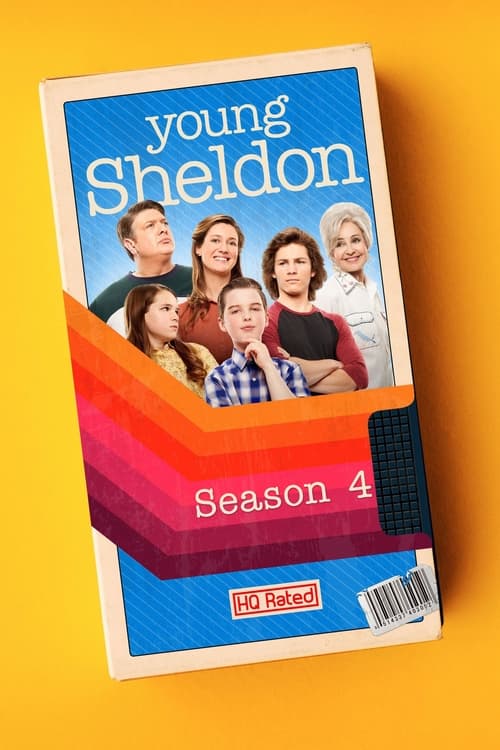
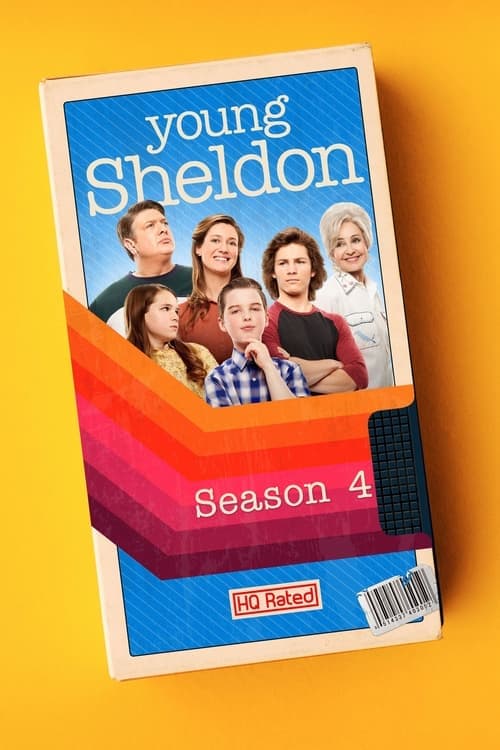
Young Sheldon Season 4 maintains a traditional family sitcom structure rooted in 1980s East Texas life, with storytelling centered on relatable family dynamics, Sheldon's college transition, adolescent challenges like Missy's first period handled awkwardly and humorously by her father, religious elements portrayed positively through Bible camp and church involvement, and light-hearted conflicts like IRS audits or philosophy crises. Casting remains faithful to the source material and setting, featuring a predominantly white ensemble that organically reflects the Cooper family's conservative, working-class background without any race-swapping, gender changes, or forced diversity. There are no prominent LGBTQ+ representations, social justice lectures, critiques of systemic issues, or identity politics driving the narrative; even minor gender-related moments, such as Missy's puberty or baseball interests, feel incidental and non-preachy. No creator statements emphasize activism, and audience reception shows no significant backlash labeling it 'woke'—instead, the season is praised for its humor, heart, and avoidance of heavy-handed messaging, allowing pure entertainment value to shine through.