Shop this title
Shop this title
The Walking Dead: Dead City
We may earn a commission from purchases through these links.
Digital video
Search US stores by format. Check the title and edition before buying.
Explore Prime Video — Opens in a new tab
Catalog availability and subscription terms vary.
Shop
Shop this title
The Walking Dead: Dead City
We may earn a commission from purchases through these links.
Digital video
Search US stores by format. Check the title and edition before buying.
Explore Prime Video — Opens in a new tab
Catalog availability and subscription terms vary.
← Back to The Walking Dead: Dead City
The Walking Dead: Dead City - Season 3
tv
TV-MA
Season 3
July 26, 2026
Wokeometer Rating
7Woke
Scale: 0 = not woke, 10 = maximally woke
TL;DR Verdict
Dead City Season 3 forces a heavy-handed immigration allegory about embracing outsiders into its core plot, turning standard zombie survival into overt progressive messaging. Skip it if you want straightforward action over political lectures.
Paid creator placementsFeature your article or video on this page
Detailed Analysis
Season 3 centers on Maggie and Negan forging an alliance to establish Manhattan's first thriving post-apocalyptic community, explicitly framed by showrunner Seth Hoffman as 'literally a season about immigration.' The plot directly incorporates an influx of survivors in the 'Emigrants' episode, with Maggie initially fearful of outsiders before embracing inclusion as life-giving, while the narrative poses questions about fearing 'the other' and gives voice to opposing views on welcoming strangers.
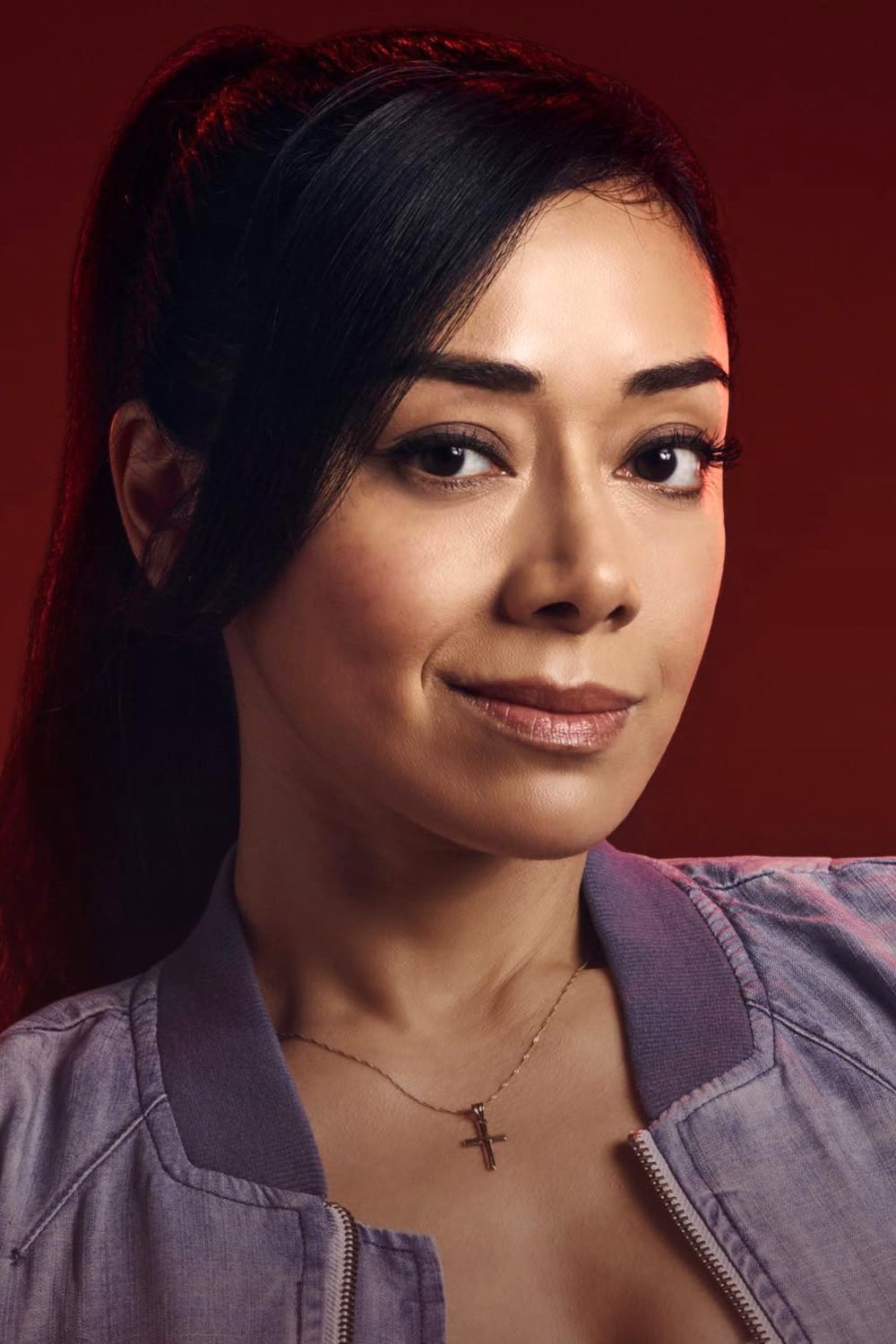
This immigration allegory drives multiple episodes, character arcs, and the season's emotional core around old wounds versus new community-building. New supporting characters like Renata (Aimee Garcia) and Luis (Raúl Castillo) expand the cast organically without altering established canon figures.
Some reviews note persistent traditional gender dynamics around motherhood and redemption rather than activist reframing. Audience and critic reception focuses on the Maggie-Negan reconciliation and tonal shift toward hope, with limited backlash tied to messaging. The progressive social theme is prominent and intentional but operates within standard zombie survival storytelling rather than dominating every element.
Key Factors
- Explicit creator statement framing the season as an immigration allegory with real-world relevance on fear of outsiders and inclusion
- Central plot driver of survivor influx and community-building in episodes like 'Emigrants' and 'Haven'
- Maggie character arc shifting from fear of newcomers to embracing inclusion as positive
- New diverse supporting cast added without source-material alterations or forced identity focus
Methodology: Each score synthesizes audience discourse, critic and aggregator reception, and press coverage — weighed against the work itself, not any single source.
Detailed BreakdownPro
Free Preview1 of 5 categories unlocked
Corporate & Creator Activism8
The showrunner directly describes the season as 'literally a season about immigration,' making the progressive social theme a central, intentional element in marketing and narrative design.
Identity Politics & Racial Essentialism
Gender Ideology & LGBTQ+ Themes
DEI Casting & Representation Mandates
Preachiness & Message-First Agenda
Unlock the other 4 categories — including Identity Politics and Gender Ideology — with detailed explanations.
Unlock with ProFrom $3/month · 3-day trial for $1
The Woke Report
A curated roundup of newly scored movies, shows, and games, with the context behind the scores. Free. Unsubscribe anytime.
Privacy policyDirected by
2 more directors
Is The Walking Dead: Dead City - Season 3 Woke?
We've run a full content analysis on The Walking Dead: Dead City - Season 3 and scored it 7/10 on the woke scale. Read our detailed breakdown above to see exactly what we found.
Frequently Asked Questions
What kind of woke content is in The Walking Dead: Dead City - Season 3?
Our analysis checks for themes like identity politics, race-swapping, gender ideology, environmental activism, anti-religious messaging, and other progressive agenda elements. The score breakdown above shows which specific categories were flagged and how heavily they factor into The Walking Dead: Dead City - Season 3's overall score.
Is The Walking Dead: Dead City - Season 3 family-friendly?
Wokeometer focuses on ideological content rather than traditional ratings (violence, language, etc.). The Walking Dead: Dead City - Season 3 is rated TV-MA. For a full picture, combine our woke analysis with the age rating to decide if it's right for your family.
How does Wokeometer score tv shows?
We evaluate media across multiple ideological categories on a 0–10 scale. Scores of 0–3 mean story-first, 4–6 have moderate elements, and 7–10 flag heavily agenda-driven content. Learn more about our methodology →