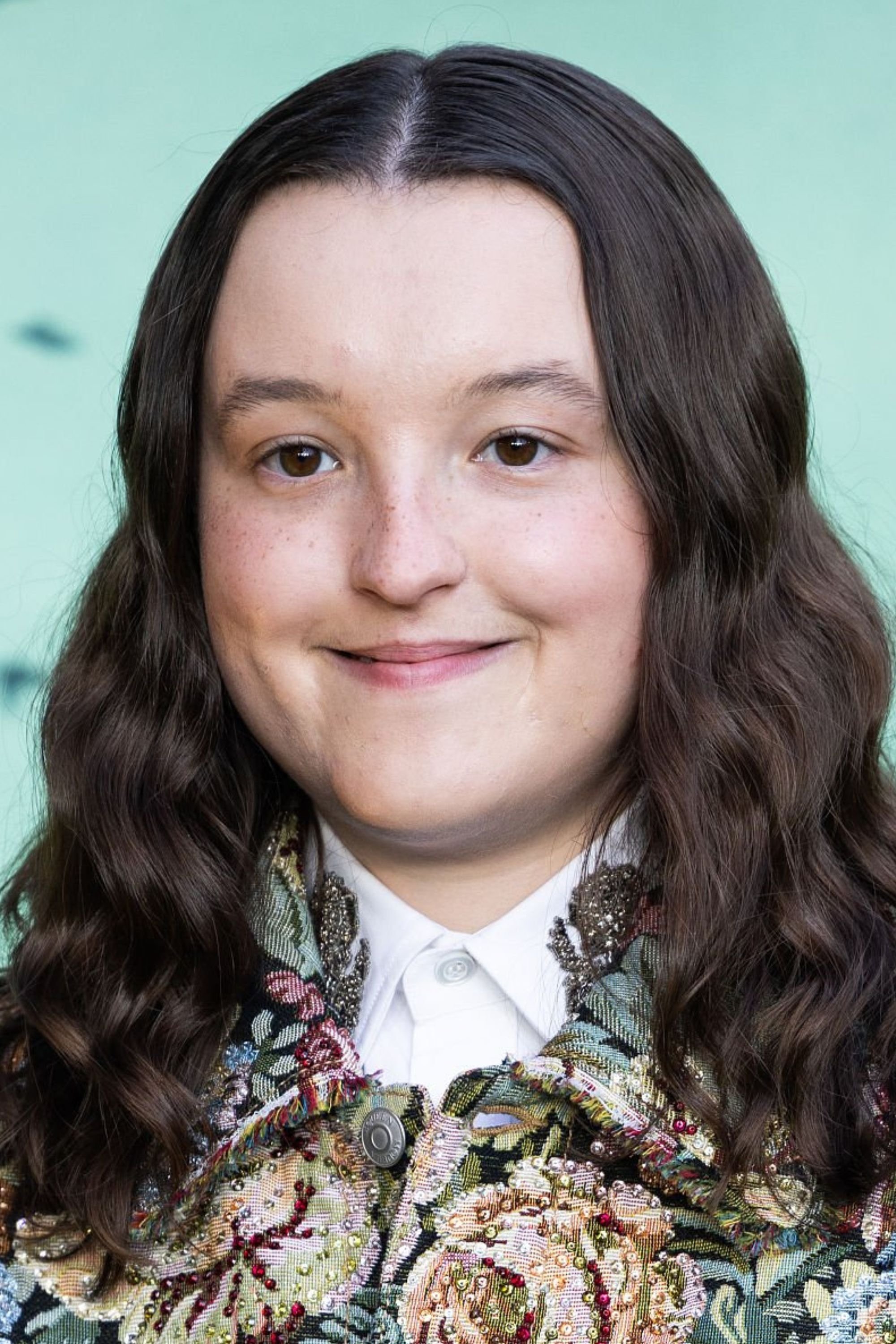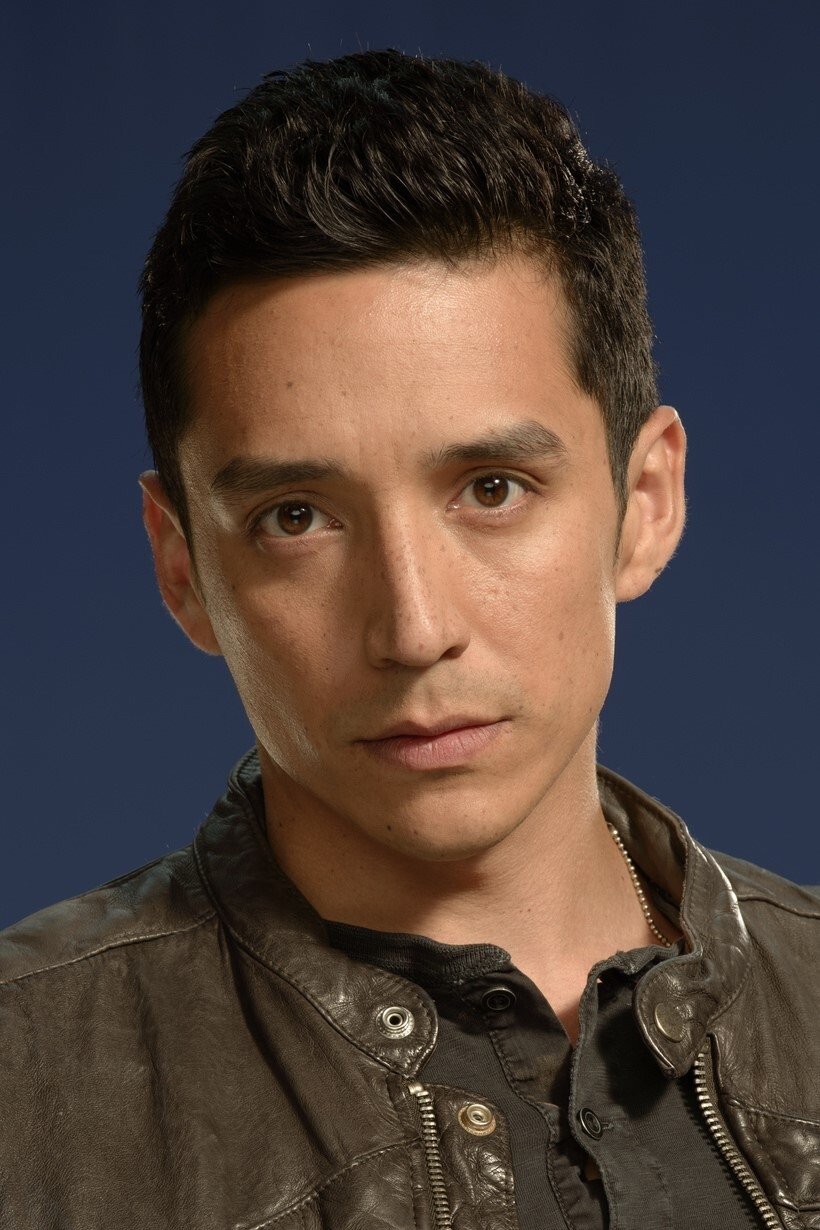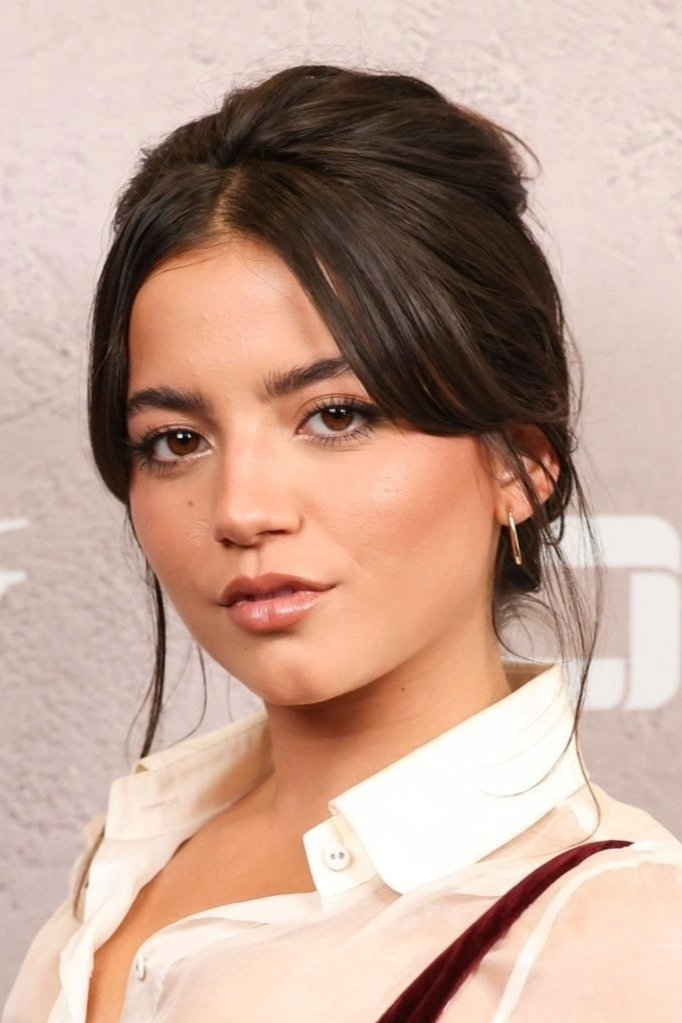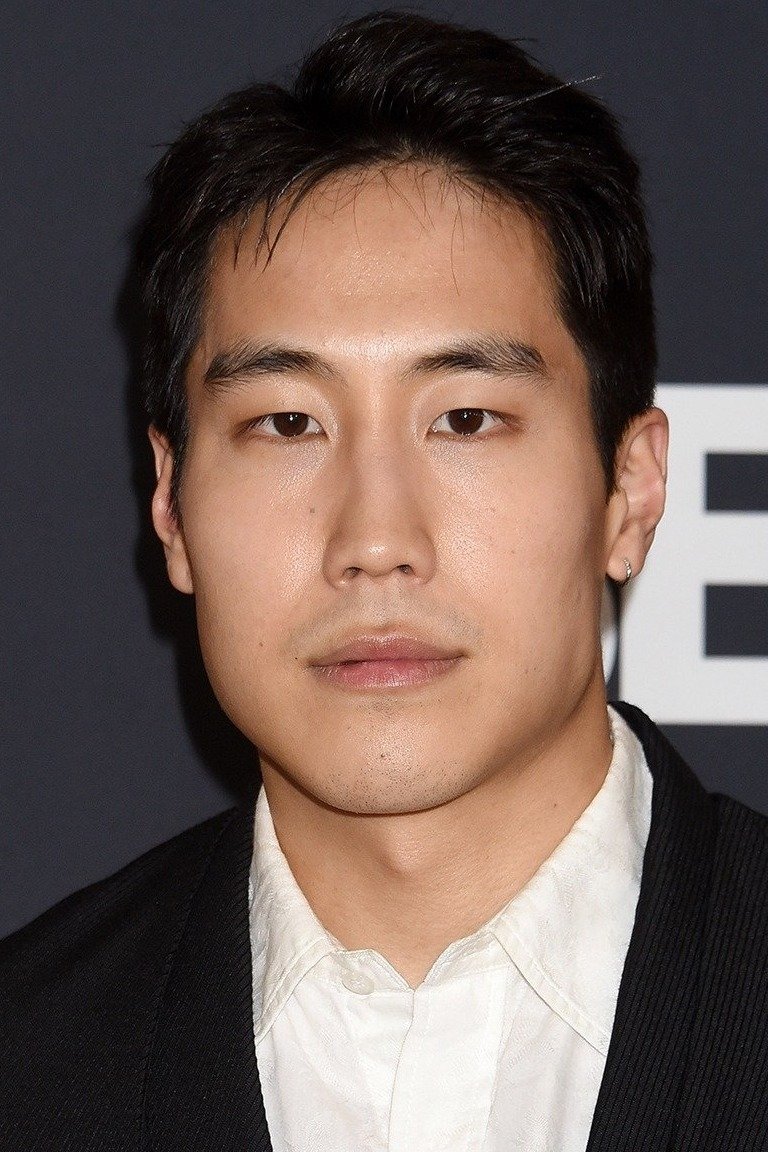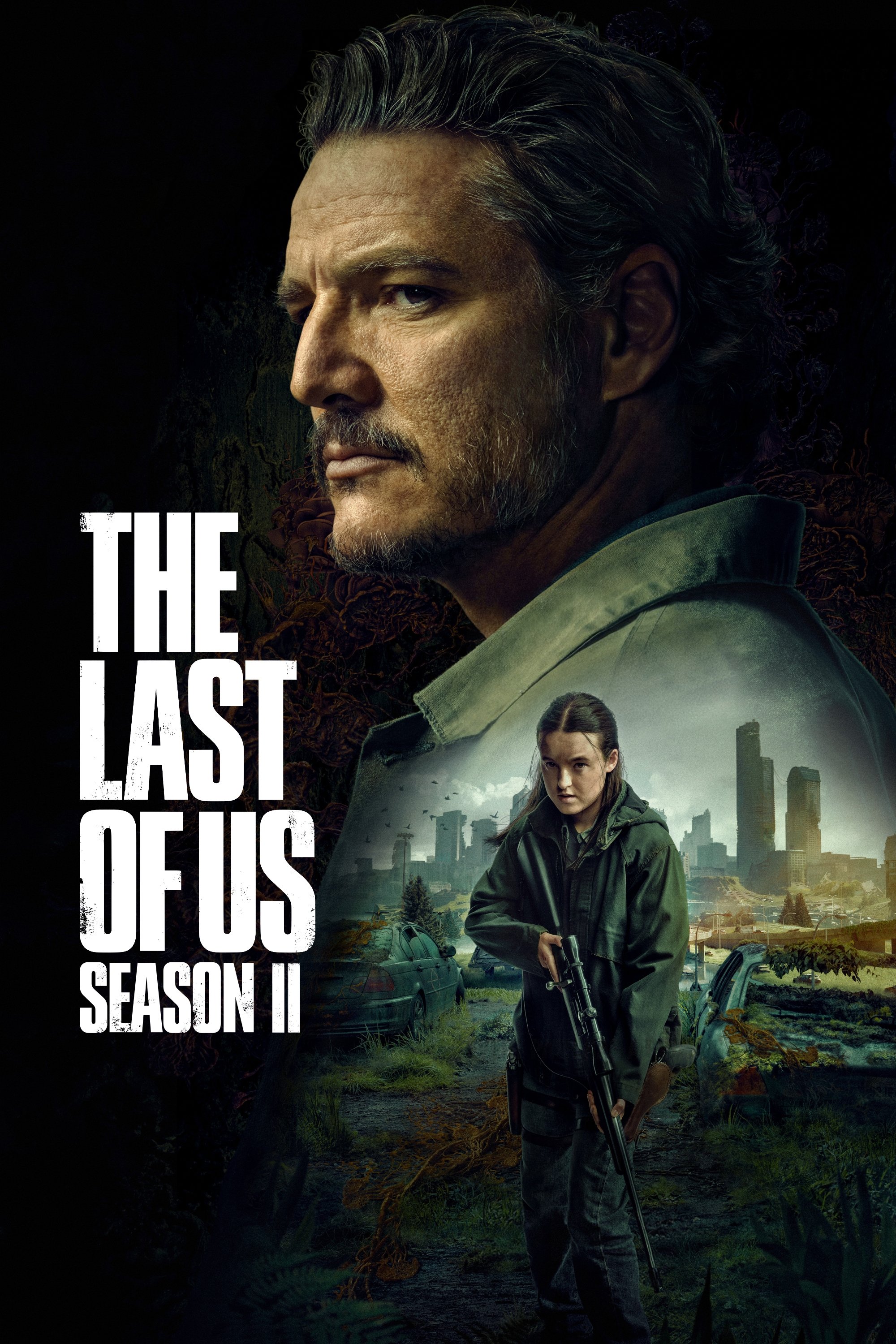
The Last of Us S2 earns a high woke score (8/10) for shoving lesbian pride flags, Ellie's "I'm gonna be a dad" non-binary line, and softened characters into a post-apoc revenge tale—skip this agenda-fueled mess that tanks the story.
The Last of Us Season 2 heavily incorporates progressive ideological elements that compromise its storytelling and fidelity to the source material, turning a gritty post-apocalyptic revenge tale into a vehicle for identity politics and social messaging.
Core plot drivers like Ellie and Dina's lesbian romance are amplified with overt displays such as prominent kisses, a post-apocalyptic pride mural, and gay pride flags in a collapsed society, clashing absurdly with the setting and serving no narrative purpose beyond signaling inclusivity. A egregious addition is Ellie's line 'I'm gonna be a dad' upon learning of Dina's pregnancy, a blatant insertion of non-binary gender ideology absent from the game, delivered by non-binary actor Bella Ramsey in a cringeworthy moment widely mocked as peak wokeness.
Abby's portrayal by Kaitlyn Dever omits the game's signature muscular physique, justified by showrunners as unnecessary without gameplay, diluting the character's physicality and fueling complaints of feminizing or weakening female leads to fit modern sensibilities. These elements, combined with Joel's therapy sessions and emotional softening, prioritize activist-friendly character tweaks over raw survival drama.
Neil Druckmann's longstanding emphasis on empathy, diversity, and 'challenging norms' from the divisive Part II game carries over, with the show facing massive review-bombing on Rotten Tomatoes (audience score plummeting to the 30s despite critic praise), homophobic backlash accusations masking genuine fury over 'woke bs' and agenda-pushing. This intrusive messaging dominates reception, alienating audiences and confirming 'go woke, go broke' as the show tanks in popularity.
Methodology: Each score synthesizes audience discourse, critic and aggregator reception, and press coverage — weighed against the work itself, not any single source.
Creator Neil Druckmann’s emphasis on empathy, diversity, and challenging norms from the divisive game carries over, with studio decisions amplifying inclusivity signals that clash with the setting and contribute to review-bombing.
Unlock the other 4 categories — including Identity Politics and Gender Ideology — with detailed explanations.
Unlock with ProFrom $3/month · 3-day trial for $1
Every Friday: the week's most ideologically-loaded releases, scored — with the breakdown the headlines skip. Free, no spam, unsubscribe anytime.
We've run a full content analysis on The Last of Us - Season 2 and scored it 8/10 on the woke scale. Read our detailed breakdown above to see exactly what we found.
Our analysis checks for themes like identity politics, race-swapping, gender ideology, environmental activism, anti-religious messaging, and other progressive agenda elements. The score breakdown above shows which specific categories were flagged and how heavily they factor into The Last of Us - Season 2's overall score.
Wokeometer focuses on ideological content rather than traditional ratings (violence, language, etc.). The Last of Us - Season 2 is rated TV-MA. For a full picture, combine our woke analysis with the age ratingto decide if it's right for your family.
We evaluate media across multiple ideological categories on a 0–10 scale. Scores of 0–3 mean story-first, 4–6 have moderate elements, and 7–10 flag heavily agenda-driven content. Learn more about our methodology →
Similar titles you might enjoy
No reviews yet
Be the first to share what you thought of The Last of Us - Season 2.