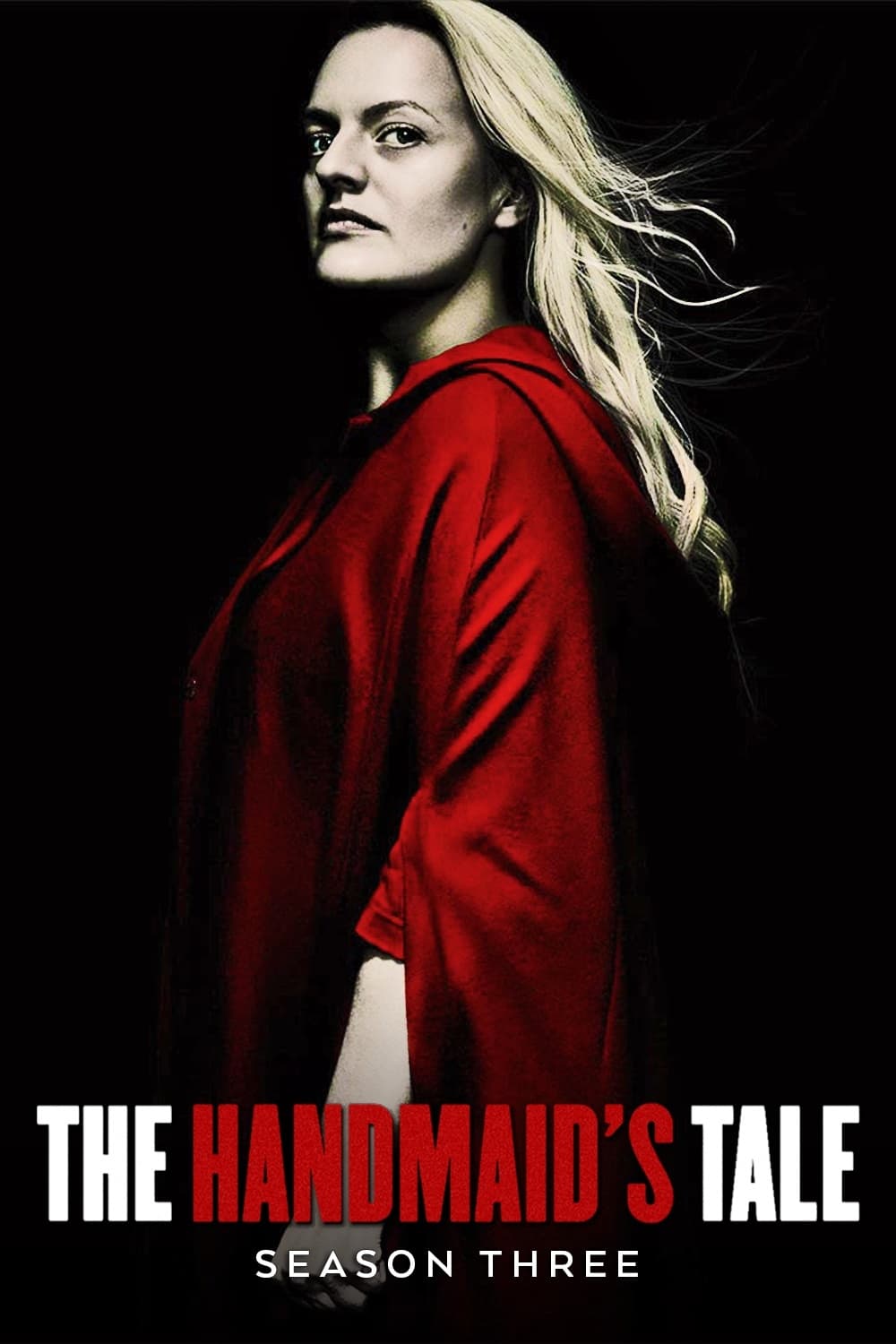
Season 3 cranks wokeness to max with June's feminist rebellion arcs, diverse casting overriding book racism, LGBTQ resilience, and anti-patriarchy lectures that prioritize activism over entertainment.
Season 3 of The Handmaid's Tale intensifies the series' core progressive ideology, transforming June into a ruthless resistance leader against Gilead's patriarchal theocracy, with plotlines revolving around feminist rebellion, bodily autonomy, motherhood as activism, and critiques of religious extremism and gender oppression.
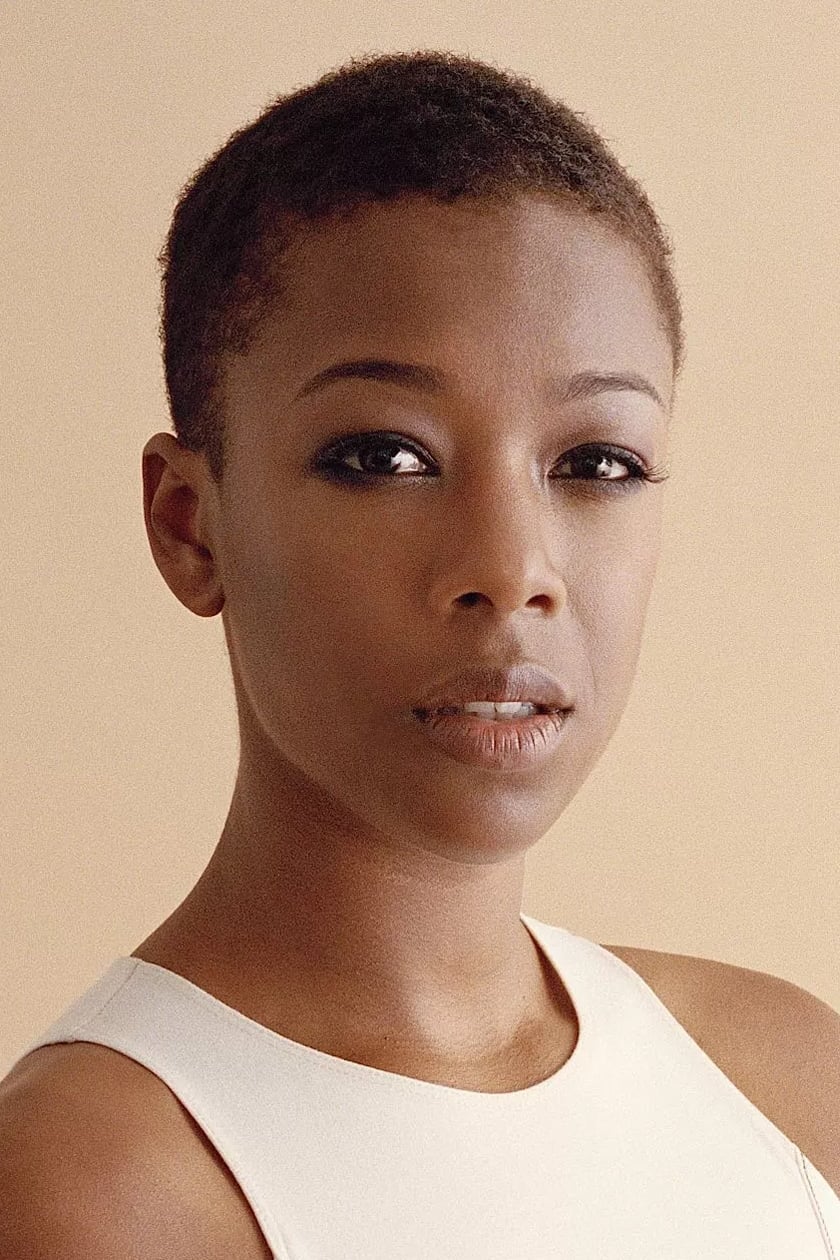
Every major arc—smuggling children out of Gilead, recruiting Marthas from Chicago prisoners, confronting rapist commanders, and staging mass escapes—serves as a vehicle for overt social justice messaging, including explicit condemnations of systemic misogyny and coerced religiosity, often through lecture-like monologues and symbolic prayers like 'Blessed be the fight.' Casting features noticeable diversity with Black actors like Samira Wiley (Moira) and O-T Fagbenle (Nick) in prominent roles, deviating from the book's implication of racial purges by including POC handmaids and allies in a regime that shows racial prejudice but subordinates it to sexism, drawing criticism for colorblind inclusivity that dilutes the source material's white supremacist undertones. LGBTQ representation persists via Emily's arc reuniting with her wife, highlighting queer family bonds amid oppression.
Creator Bruce Miller expands beyond Atwood's novel to emphasize modern resistance and terrorism analogies, consulting the UN for realism while framing the story as a humanist-feminist cautionary tale resonant with Trump-era politics. Left-leaning critiques accuse the season of white feminism, with June's self-serving heroism sacrificing POC characters and ignoring racism's intersection with misogyny, while conservative viewers decry it as anti-Christian propaganda. These elements dominate storytelling, prioritizing ideological intensity over pure entertainment, evidenced by graphic torture and moral ambiguity that reinforce activist intent, though commercial success mutes 'go woke go broke' claims.
Methodology: Each score synthesizes audience discourse, critic and aggregator reception, and press coverage — weighed against the work itself, not any single source.
See how this title scores across all 5 woke subcategories with detailed explanations.
Unlock with ProFrom $3/month · 3-day trial for $1
Every Friday: the week's most ideologically-loaded releases, scored — with the breakdown the headlines skip. Free, no spam, unsubscribe anytime.
We've run a full content analysis on The Handmaid's Tale - Season 3 and scored it 8/10 on the woke scale. Read our detailed breakdown above to see exactly what we found.
Our analysis checks for themes like identity politics, race-swapping, gender ideology, environmental activism, anti-religious messaging, and other progressive agenda elements. The score breakdown above shows which specific categories were flagged and how heavily they factor into The Handmaid's Tale - Season 3's overall score.
Wokeometer focuses on ideological content rather than traditional ratings (violence, language, etc.). The Handmaid's Tale - Season 3 is rated TV-MA. For a full picture, combine our woke analysis with the age ratingto decide if it's right for your family.
We evaluate media across multiple ideological categories on a 0–10 scale. Scores of 0–3 mean story-first, 4–6 have moderate elements, and 7–10 flag heavily agenda-driven content. Learn more about our methodology →
Similar titles you might enjoy

No reviews yet
Be the first to share what you thought of The Handmaid's Tale - Season 3.