Shop this title
Shop this title
Suburra: Blood on Rome
We may earn a commission from purchases through these links.
Search US stores by format. Check the title and edition before buying.
Explore Prime Video — Opens in a new tab
Catalog availability and subscription terms vary.
Shop
Shop this title
Suburra: Blood on Rome
We may earn a commission from purchases through these links.
Search US stores by format. Check the title and edition before buying.
Explore Prime Video — Opens in a new tab
Catalog availability and subscription terms vary.
Wokeometer Rating
6Mixed
0/10
Scale: 0 = not woke, 10 = maximally woke
TL;DR Verdict
Suburra Season 2 delivers standard crime drama through alliances, betrayals, and Ostia land deals, with personal conflicts and embedded political schemes adding moderate layers that earn it a 6/10.
Paid creator placementsFeature your article or video on this page
Detailed Analysis
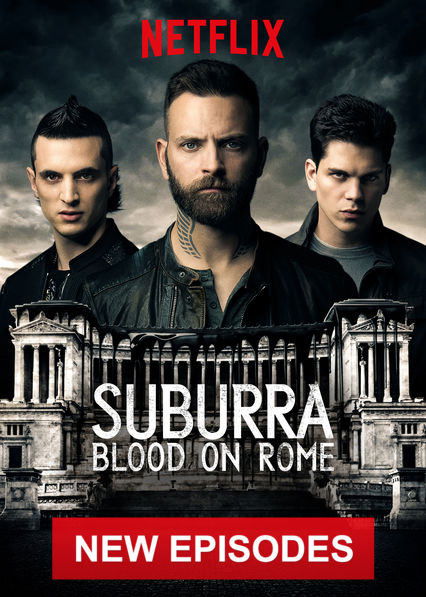
Suburra: Blood on Rome Season 2 centers on traditional Italian crime drama storytelling—alliances, drug trafficking, political corruption, revenge, and power struggles among Rome's underworld figures like Aureliano, Spadino, Lele, Samurai, and Cinaglia.
The core premise and eight episodes revolve around land deals in Ostia, family betrayals, and escalating violence, with no foundational identity politics or systemic oppression narratives driving the plot. However, the season prominently features Spadino Anacleti, a closeted gay Sinti mobster whose sexuality generates multiple subplots: his arranged marriage to Angelica, secret affair with DJ Teo, blackmail threats, and the need to kill to conceal his orientation amid family and clan pressures.
This representation is repeatedly noted as groundbreaking for Italian television as the first sympathetic gay Sinti gangster protagonist, with his internal conflict and incompatible romantic feelings toward straight friend Aureliano shaping character arcs and emotional beats across episodes like 'Consequences,' 'Closer,' and 'Tell Me the Truth.' The Sinti ethnicity adds a layer of outsider status within the criminal world but remains organic to the setting rather than a forced statement. Minor political elements, such as Cinaglia's shift from idealistic left-wing politician and refugee-related schemes, stay embedded in corruption plots without overt lectures or critiques of traditional norms.
No established characters were race- or gender-swapped, and casting aligns with the Italian/Roman context. Audience and critical reception highlights the queer elements positively for nuance in a macho genre, with fan shipping of the central bromance, though some later-season discussions touch on queerbaiting without derailing Season 2's focus.
Key Factors
- Prominent closeted gay Sinti protagonist Spadino whose sexuality drives recurring subplots (arranged marriage, secret lover Teo, blackmail, concealment violence) across multiple episodes
- Groundbreaking sympathetic LGBTQ+ representation in Italian crime TV, foregrounded as a character-defining trait rather than incidental
- Traditional crime/power premise remains dominant; identity elements influence arcs but do not center the narrative or include activist messaging/lectures
Methodology: Each score synthesizes audience discourse, critic and aggregator reception, and press coverage — weighed against the work itself, not any single source.
Detailed BreakdownPro
Identity Politics & Racial Essentialism
Gender Ideology & LGBTQ+ Themes
DEI Casting & Representation Mandates
Preachiness & Message-First Agenda
Corporate & Creator Activism
See how this title scores across all 5 woke subcategories with detailed explanations.
Unlock with ProFrom $3/month · 3-day trial for $1
The Woke Report
A curated roundup of newly scored movies, shows, and games, with the context behind the scores. Free. Unsubscribe anytime.
Privacy policyDirected by
Is Suburra: Blood on Rome - Season 2 Woke?
We've run a full content analysis on Suburra: Blood on Rome - Season 2 and scored it 6/10 on the woke scale. Read our detailed breakdown above to see exactly what we found.
Frequently Asked Questions
What kind of woke content is in Suburra: Blood on Rome - Season 2?
Our analysis checks for themes like identity politics, race-swapping, gender ideology, environmental activism, anti-religious messaging, and other progressive agenda elements. The score breakdown above shows which specific categories were flagged and how heavily they factor into Suburra: Blood on Rome - Season 2's overall score.
Is Suburra: Blood on Rome - Season 2 family-friendly?
Wokeometer focuses on ideological content rather than traditional ratings (violence, language, etc.). Suburra: Blood on Rome - Season 2 is rated TV-MA. For a full picture, combine our woke analysis with the age rating to decide if it's right for your family.
How does Wokeometer score tv shows?
We evaluate media across multiple ideological categories on a 0–10 scale. Scores of 0–3 mean story-first, 4–6 have moderate elements, and 7–10 flag heavily agenda-driven content. Learn more about our methodology →