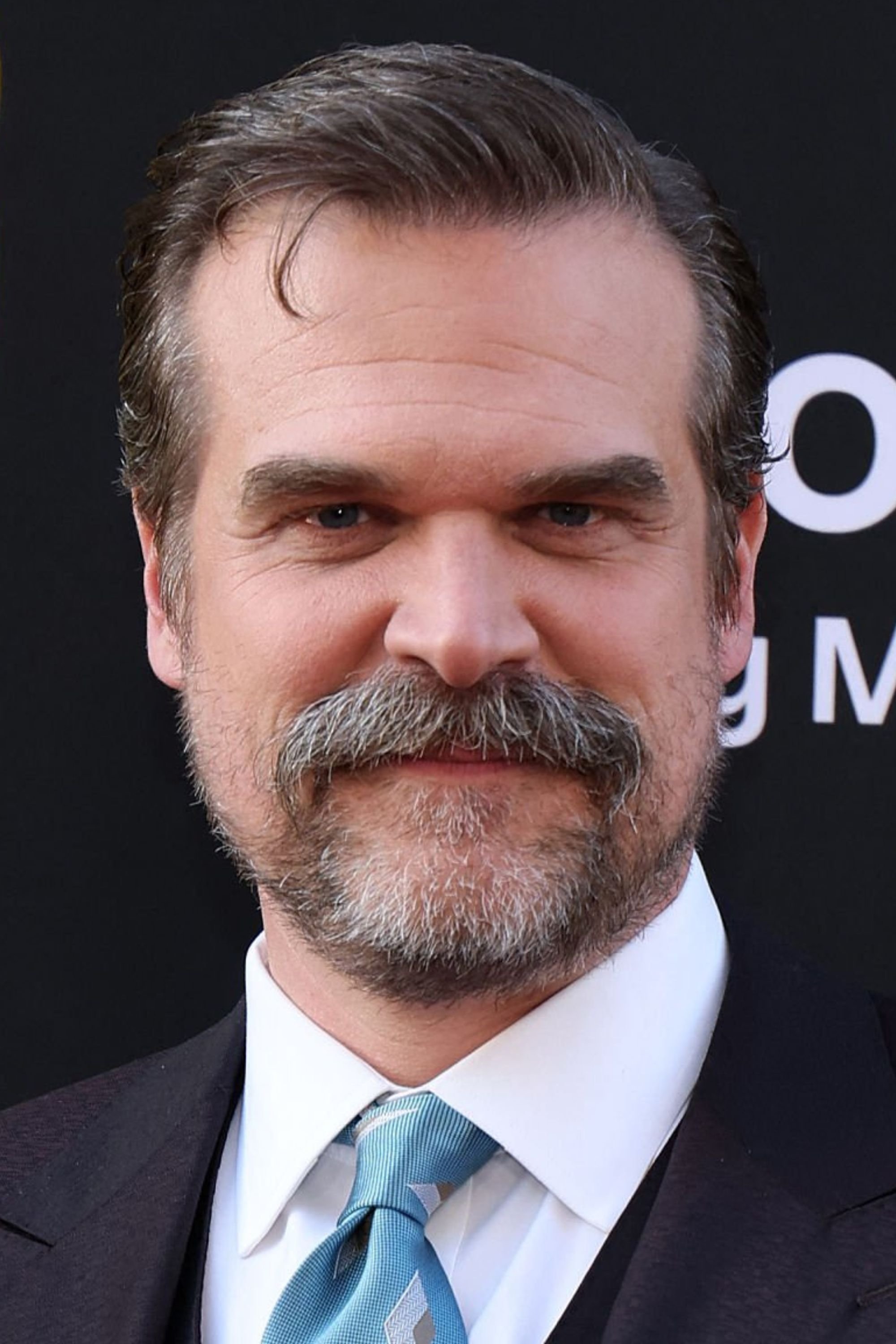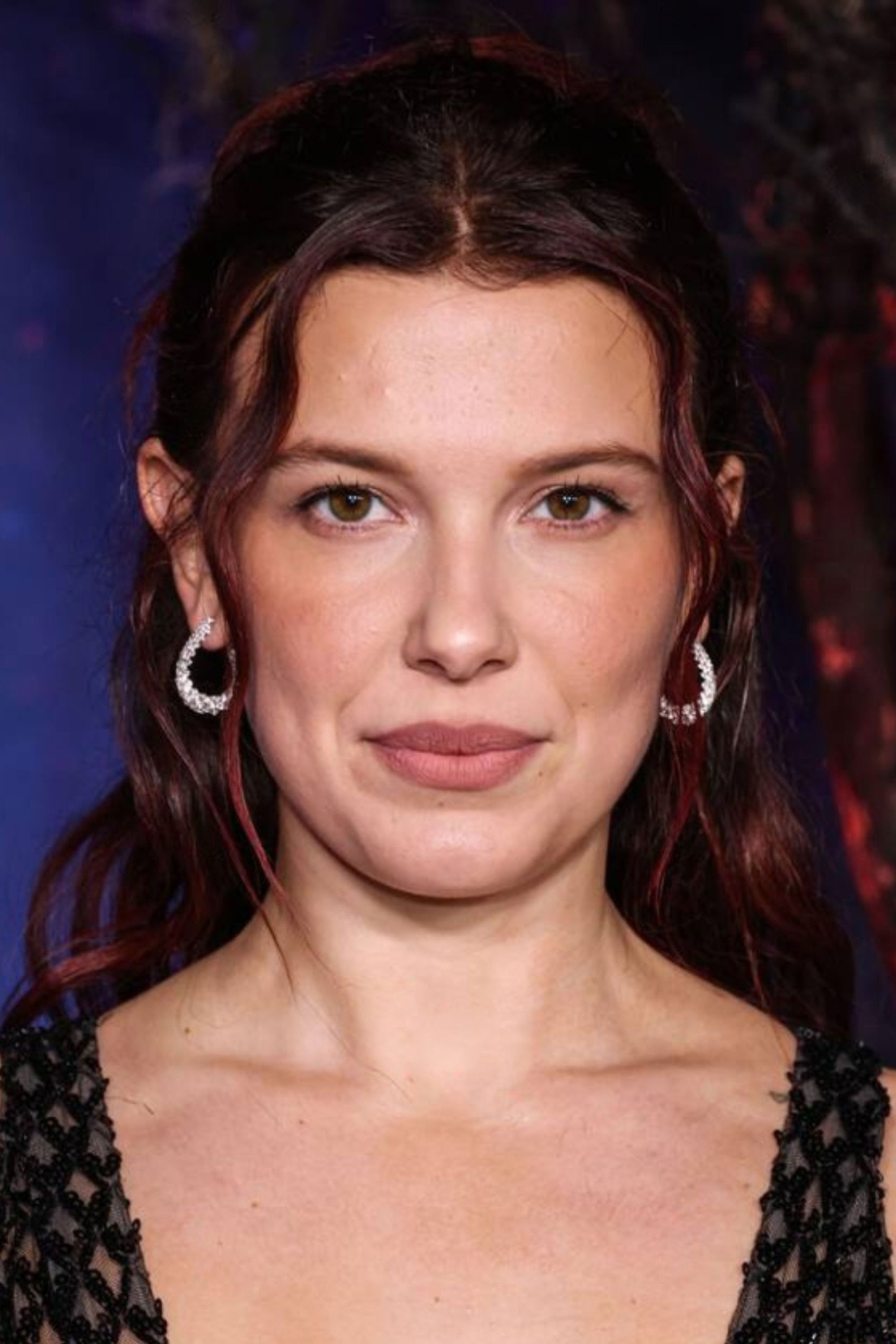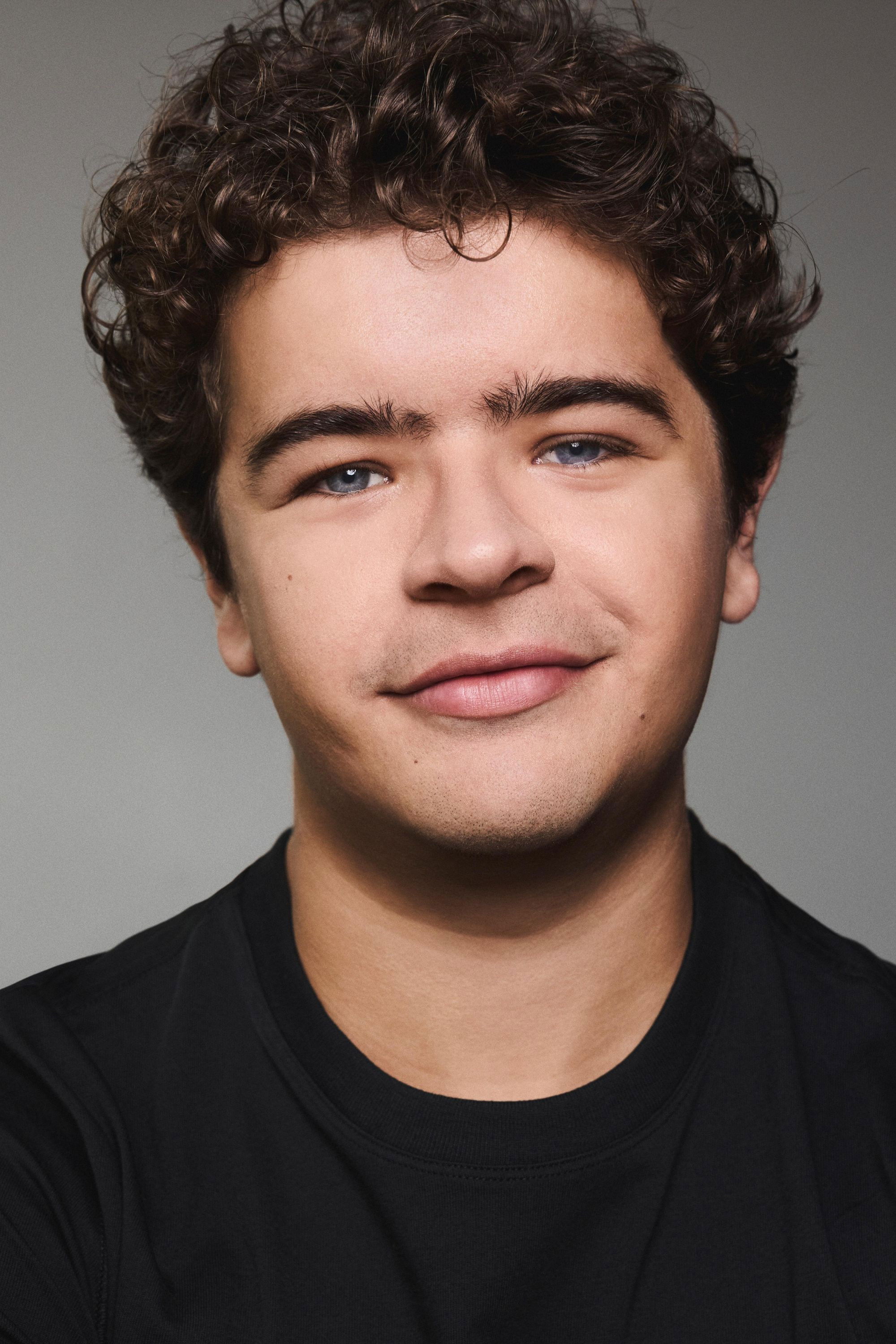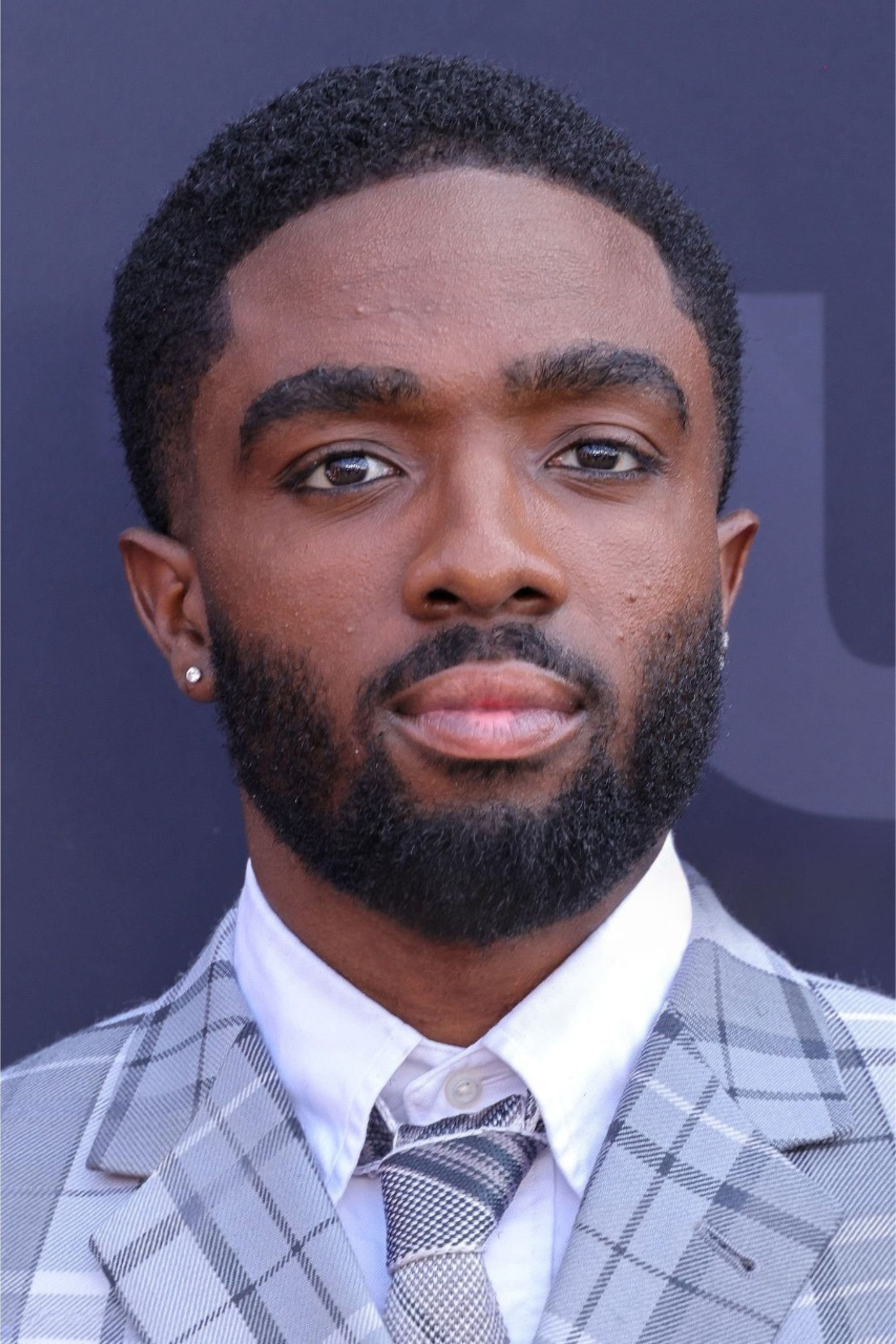

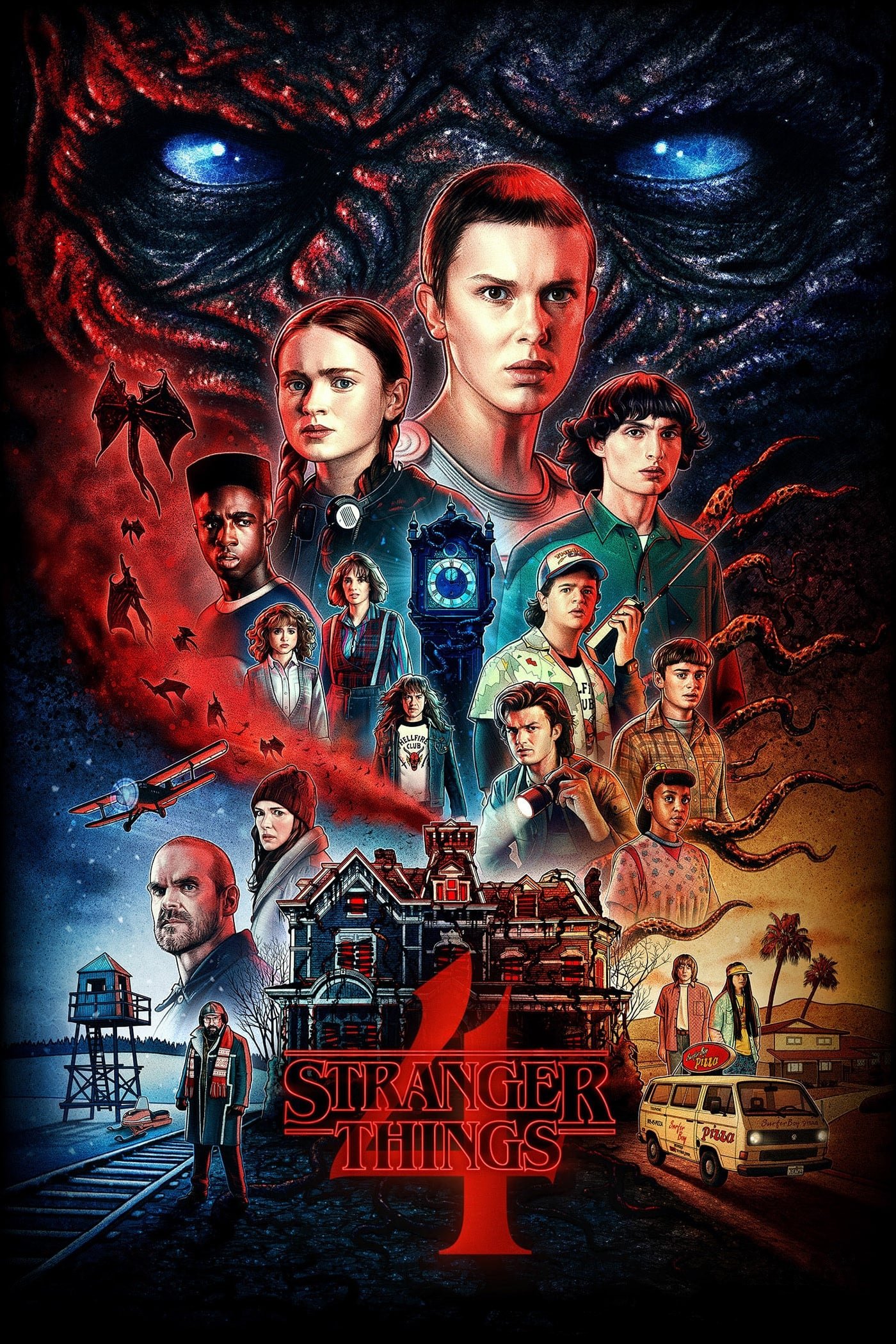
Stranger Things S4 nails low-woke balance: Organic diversity and light social nods enhance 80s horror without plot-hijacking lectures, driving blockbuster success with zero major backlash.
Stranger Things Season 4 features a diverse main cast established since Season 1, including Black actors Caleb McLaughlin (Lucas) and Priah Ferguson (Erica), alongside white leads, which some viewers noted as somewhat anachronistic for a small 1980s Indiana town but feels organic to the show's modern production without race- or gender-swapping original characters or prioritizing identity over plot.
A minor subplot in Lucas' basketball storyline touches on racism faced by a Black teen in a predominantly white school, providing light social commentary that aligns with progressive themes of systemic bias but does not drive the narrative or include lecture-like moments—the core story revolves around supernatural horror, friendship, government conspiracy, and monster battles. LGBTQ+ representation remains incidental with Robin's established lesbian identity in the background and subtle implications for Will Byers that do not culminate until later seasons.
Creators Duffer Brothers show no overt activist intent in interviews specific to Season 4, focusing instead on 80s nostalgia and epic scale. Audience reception was overwhelmingly positive as one of Netflix's biggest hits, with no significant 'woke' backlash or 'go woke go broke' narrative at the time—criticisms of diversity were split, with some progressives faulting underutilization of Black characters like Lucas being sidelined for white arcs, while conservatives occasionally griped about demographic realism, but these were minor and did not impact the season's massive success or define discourse.
Methodology: Each score synthesizes audience discourse, critic and aggregator reception, and press coverage — weighed against the work itself, not any single source.
Creators focused on 80s nostalgia and epic scale in interviews with no emphasis on inclusion mandates or progressive credentials.
Unlock the other 4 categories — including Identity Politics and Gender Ideology — with detailed explanations.
Unlock with ProFrom $3/month · 3-day trial for $1
Every Friday: the week's most ideologically-loaded releases, scored — with the breakdown the headlines skip. Free, no spam, unsubscribe anytime.
We've run a full content analysis on Stranger Things - Season 4 and scored it 3/10 on the woke scale. Read our detailed breakdown above to see exactly what we found.
Our analysis checks for themes like identity politics, race-swapping, gender ideology, environmental activism, anti-religious messaging, and other progressive agenda elements. The score breakdown above shows which specific categories were flagged and how heavily they factor into Stranger Things - Season 4's overall score.
Wokeometer focuses on ideological content rather than traditional ratings (violence, language, etc.). Stranger Things - Season 4 is rated TV-14. For a full picture, combine our woke analysis with the age ratingto decide if it's right for your family.
We evaluate media across multiple ideological categories on a 0–10 scale. Scores of 0–3 mean story-first, 4–6 have moderate elements, and 7–10 flag heavily agenda-driven content. Learn more about our methodology →
Similar titles you might enjoy

No reviews yet
Be the first to share what you thought of Stranger Things - Season 4.