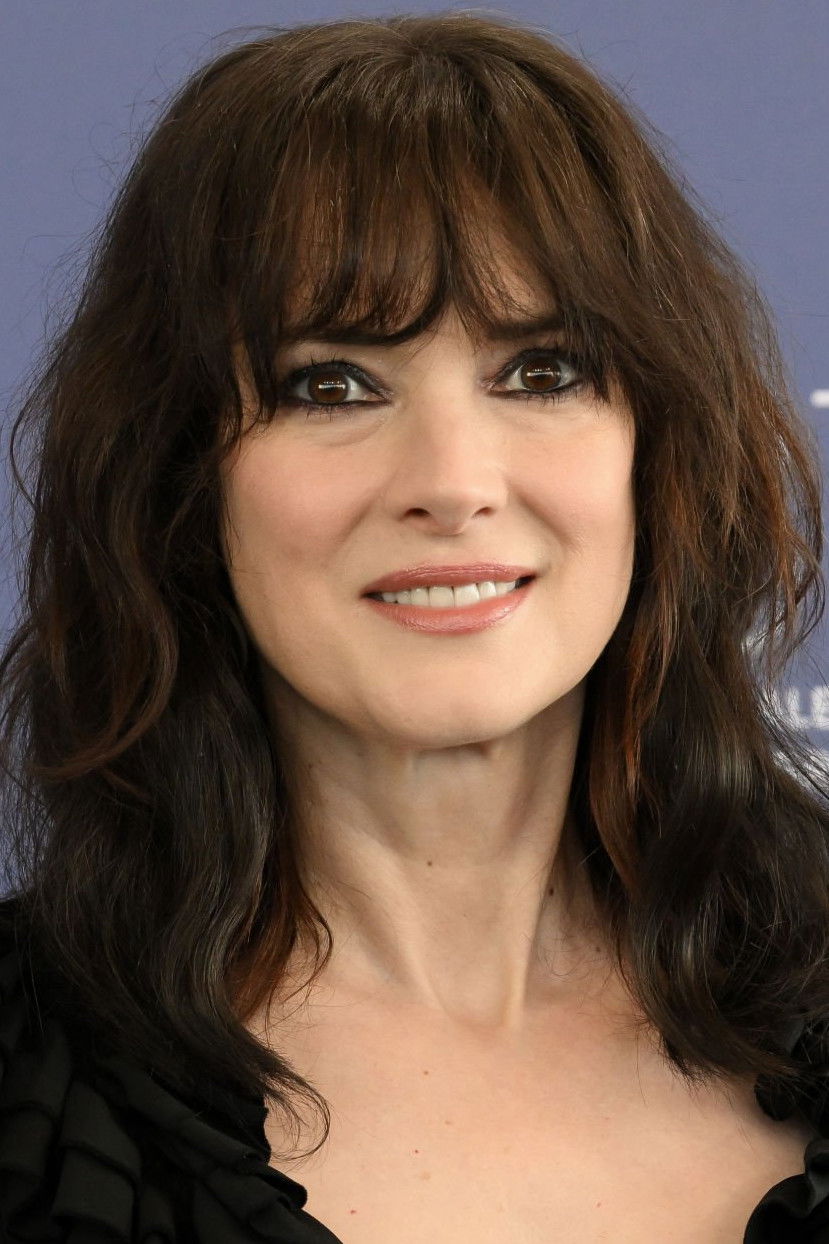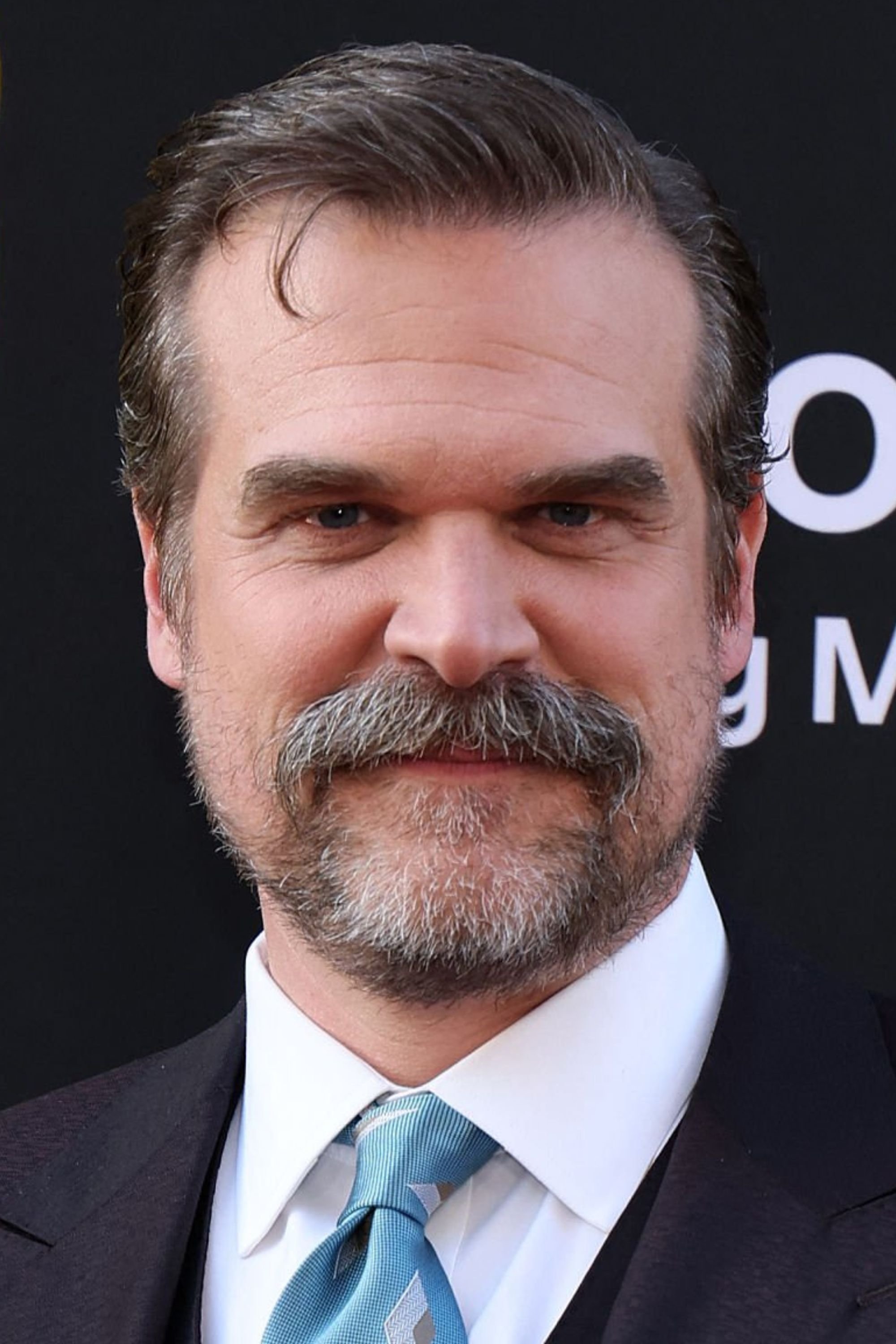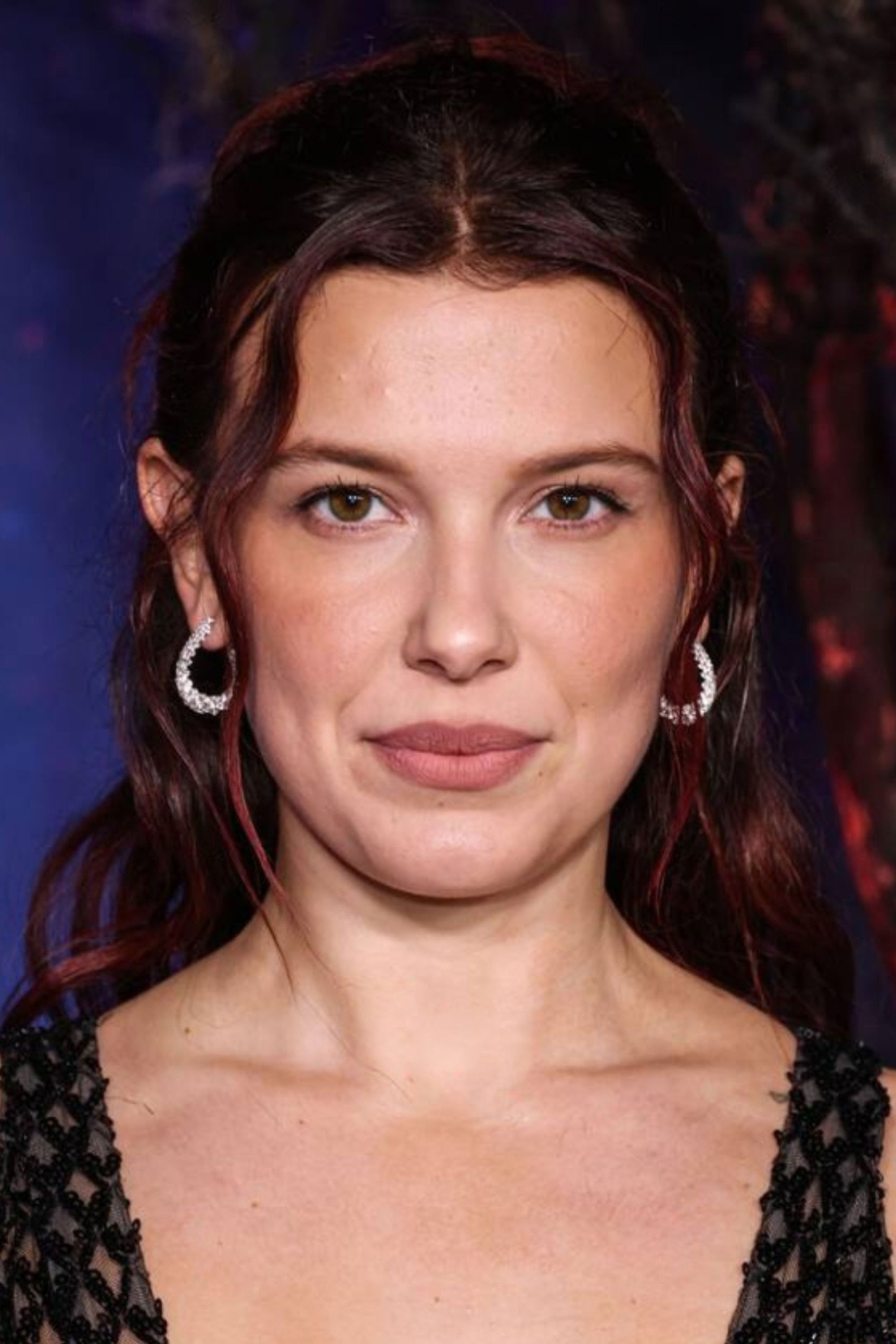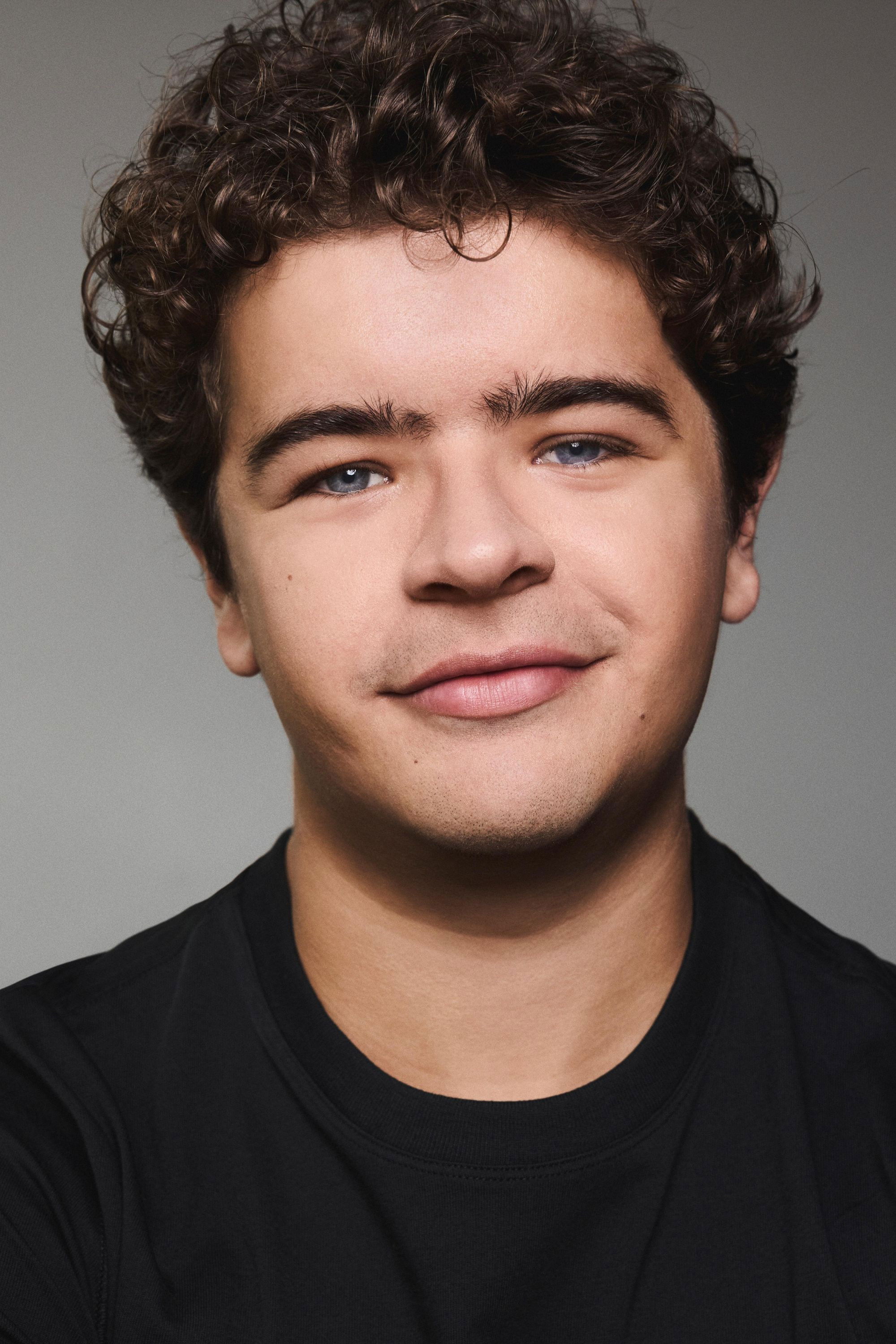

Stranger Things S1: Virtually woke-free. Organic diversity fits 80s vibe without forced messaging; pure friendship, horror, and conspiracy—no identity politics or lectures.
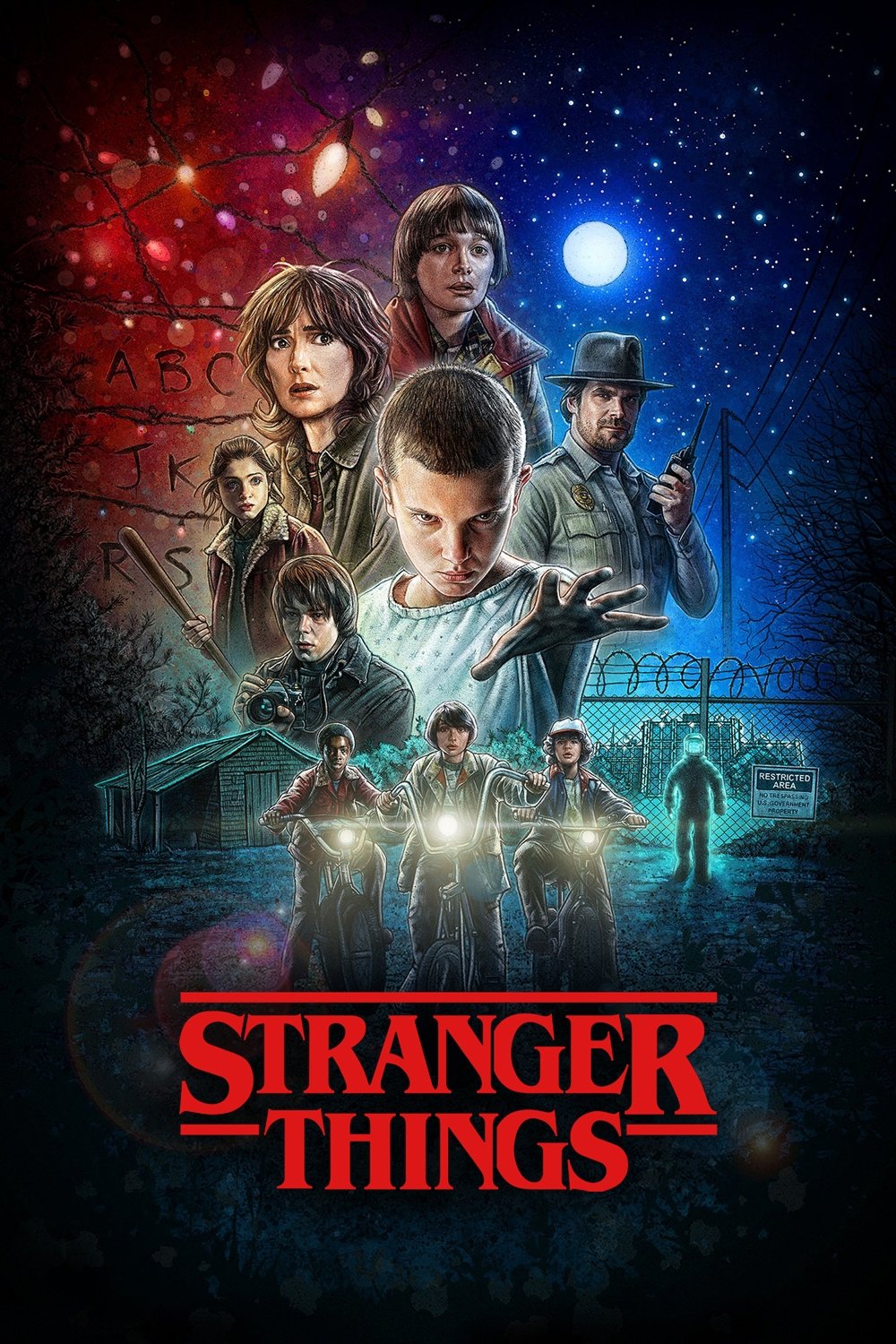
Stranger Things Season 1 (2016) exhibits minor incidental progressive elements primarily through its casting, which includes a Black child actor (Caleb McLaughlin as Lucas) and an actor with cleidocranial dysplasia (Gaten Matarazzo as Dustin) among the core group of friends in a 1983 small-town Indiana setting; this diversity feels organic and not forced or clashing with the source material, as it's a modern production evoking 80s nostalgia without altering historical demographics unnaturally.
There are no race-swaps, gender-swaps, or sexuality changes from any IP, and non-traditional representation (e.g., powerful girl Eleven played by Millie Bobby Brown) serves the adventure plot rather than focal social messaging. Themes center on friendship, family bonds, government conspiracy, and supernatural horror, with no explicit social justice lectures, critiques of patriarchy/systemic racism, or identity politics driving the narrative—brief bully scenes use slurs like 'fairy' toward Will, now retrospectively queer-coded by some fans amid later-season backlash, but incidental and era-appropriate without activist intent.
Creator Duffer Brothers emphasized Spielberg-esque entertainment in interviews, with no evidence of DEI mandates or inclusion activism for S1. Reception was massively positive (critical acclaim, cultural phenomenon) with no contemporary 'woke' controversy or 'go woke go broke' backlash; later criticisms (e.g., racial handling of Lucas, lack of deeper POC arcs) are retrospective and series-wide, not dominating S1 analysis.
Methodology: Each score synthesizes audience discourse, critic and aggregator reception, and press coverage — weighed against the work itself, not any single source.
Creators emphasized classic entertainment influences with no interviews, studio initiatives, or marketing highlighting progressive credentials or DEI efforts for this season.
Unlock the other 4 categories — including Identity Politics and Gender Ideology — with detailed explanations.
Unlock with ProFrom $3/month · 3-day trial for $1
Every Friday: the week's most ideologically-loaded releases, scored — with the breakdown the headlines skip. Free, no spam, unsubscribe anytime.
We've run a full content analysis on Stranger Things - Season 1 and scored it 2/10 on the woke scale. Read our detailed breakdown above to see exactly what we found.
Our analysis checks for themes like identity politics, race-swapping, gender ideology, environmental activism, anti-religious messaging, and other progressive agenda elements. The score breakdown above shows which specific categories were flagged and how heavily they factor into Stranger Things - Season 1's overall score.
Wokeometer focuses on ideological content rather than traditional ratings (violence, language, etc.). Stranger Things - Season 1 is rated TV-14. For a full picture, combine our woke analysis with the age ratingto decide if it's right for your family.
We evaluate media across multiple ideological categories on a 0–10 scale. Scores of 0–3 mean story-first, 4–6 have moderate elements, and 7–10 flag heavily agenda-driven content. Learn more about our methodology →
Similar titles you might enjoy
No reviews yet
Be the first to share what you thought of Stranger Things - Season 1.