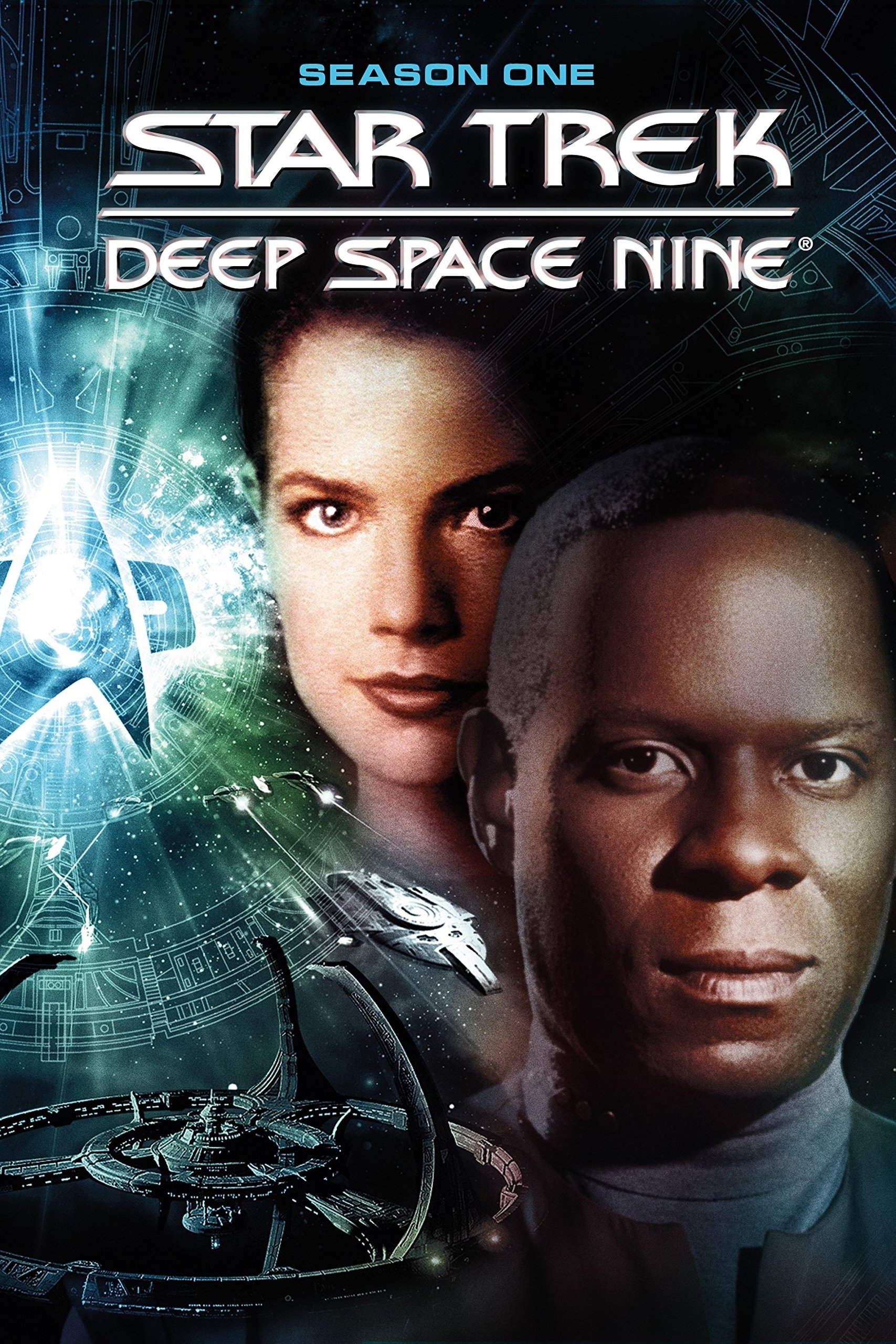
DS9 Season 1 scores a moderate 6/10 on wokeness for its diverse casting and themes of colonial oppression, resistance, and prejudice via the Bajoran backstory, but these blend organically into sci-fi adventure without dominating or pushing overt modern activism.
Star Trek: Deep Space Nine Season 1 features noticeable progressive ideological elements through its diverse casting and thematic focus on the aftermath of the Cardassian occupation of Bajor, which serves as the foundational premise involving colonial oppression, resistance fighters like Kira Nerys (a former terrorist), and recovery efforts.
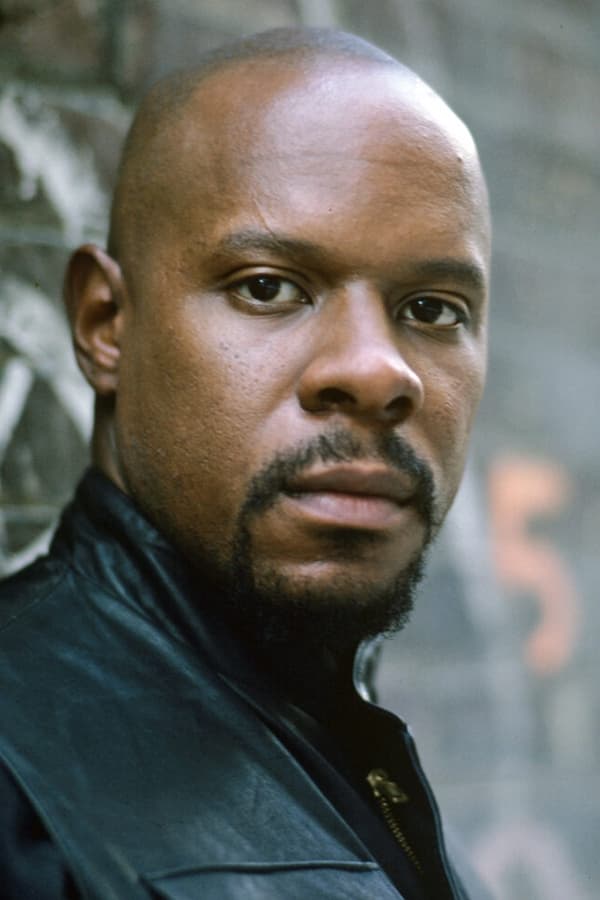
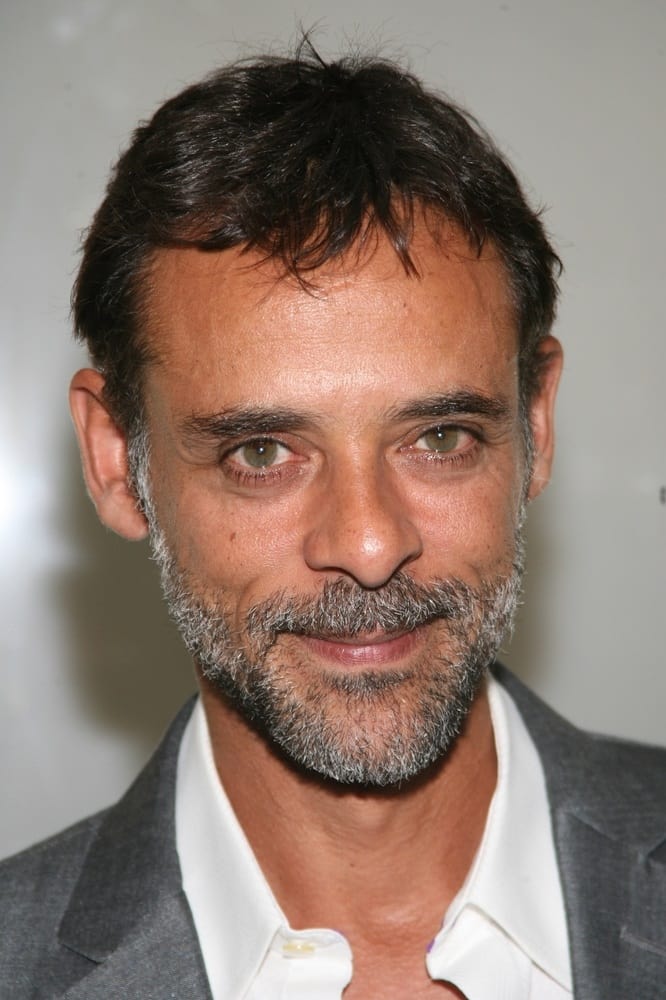
Commander Benjamin Sisko, a black single father portrayed by Avery Brooks, represents intentional diversification of Star Trek leadership, alongside an international cast including Alexander Siddig (of Sudanese-English descent) as Dr. Bashir, strong female Bajoran Kira, and non-human characters like Odo facing prejudice. Episodes such as 'Duet' explore war crimes tribunals and collective guilt over occupation atrocities, while 'In the Hands of the Prophets' delves into religious fundamentalism versus secular science, with Bajorans viewing Sisko as a messianic Emissary.
Other installments address prejudice against outsiders ('A Man Alone'), cultural clashes, and planetary displacement ('Progress'). These elements influence character arcs, subplots, and the station's interpersonal conflicts, diverging from prior Trek's utopian harmony to emphasize consequences and diversity-driven tensions.
However, as original characters in a sci-fi adventure context, the diversity integrates organically without clashing source material, and the core narrative drivers—wormhole discovery, alien encounters—retain traditional exploration focus without centering modern identity politics, overt feminist critiques, or LGBTQ+ representation. No creator interviews emphasize activist mandates, and there was no significant contemporary backlash, though retrospective views label early Trek as inherently progressive.
We've run a full content analysis on Star Trek: Deep Space Nine - Season 1 and scored it 6/10 on the woke scale. Read our detailed breakdown above to see exactly what we found.
Our analysis checks for themes like identity politics, race-swapping, gender ideology, environmental activism, anti-religious messaging, and other progressive agenda elements. The score breakdown above shows which specific categories were flagged and how heavily they factor into Star Trek: Deep Space Nine - Season 1's overall score.
Wokeometer focuses on ideological content rather than traditional ratings (violence, language, etc.). Star Trek: Deep Space Nine - Season 1 is rated TV-PG. For a full picture, combine our woke analysis with the age ratingto decide if it's right for your family.
We evaluate media across multiple ideological categories on a 0–10 scale. Scores of 0–3 mean story-first, 4–6 have moderate elements, and 7–10 flag heavily agenda-driven content.
Methodology: Each score synthesizes audience discourse, critic and aggregator reception, and press coverage — weighed against the work itself, not any single source.
See how this title scores across all 5 woke subcategories with detailed explanations.
Unlock with ProFrom $3/month · 3-day trial for $1
Every Friday: the week's most ideologically-loaded releases, scored — with the breakdown the headlines skip. Free, no spam, unsubscribe anytime.

No reviews yet
Be the first to share what you thought of Star Trek: Deep Space Nine - Season 1.
Similar titles you might enjoy