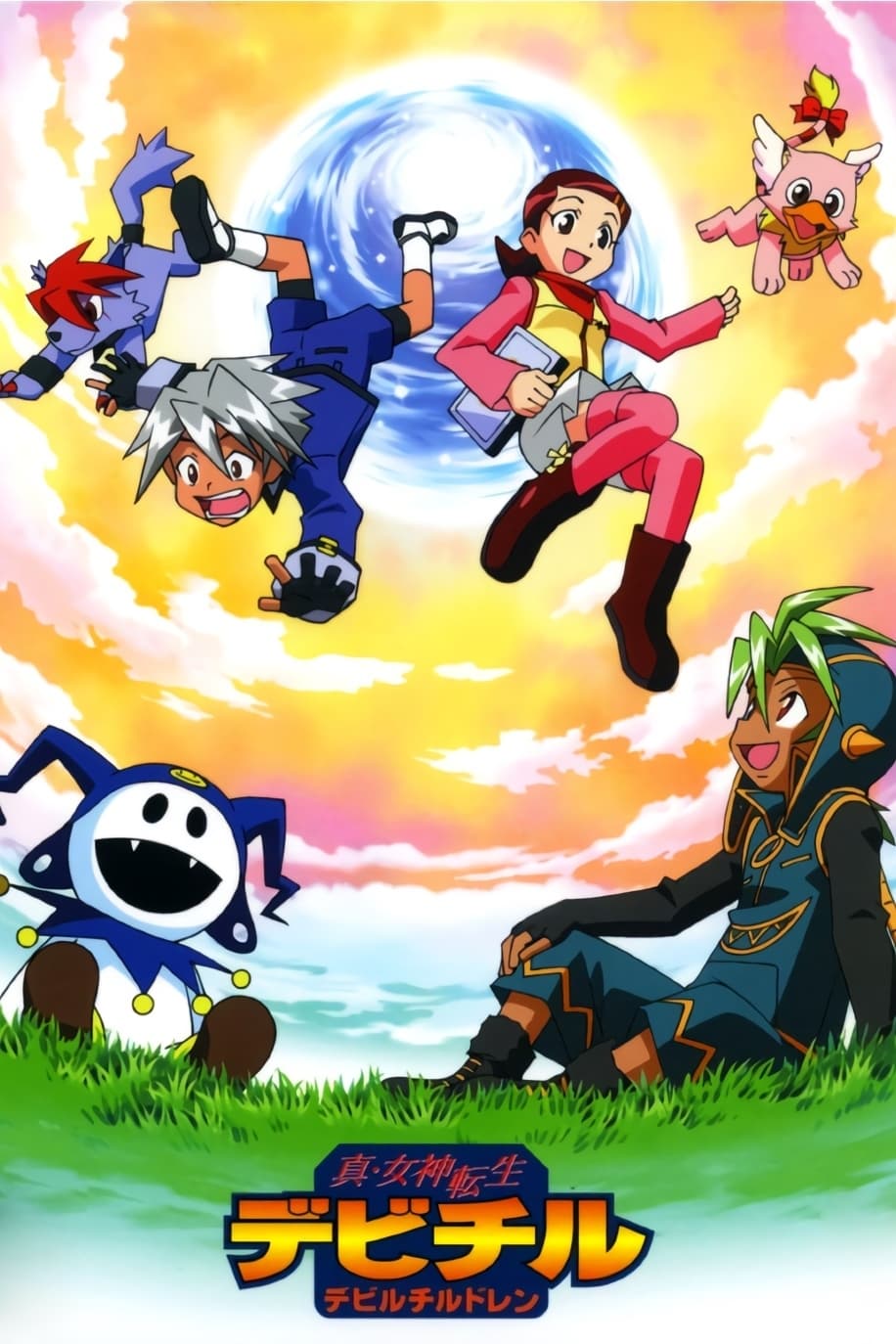
From Shin Megami Tensei: Devil Children
Shin Megami Tensei: Devil Children - Season 1
tv·S1·Oct 7, 2000
← Back to Shin Megami Tensei: Devil Children
Shin Megami Tensei: Devil Children - Season 1
tv
Season 1
October 7, 2000
Wokeometer Rating
1Based
Scale: 0 = not woke, 10 = maximally woke
TL;DR Verdict
Shin Megami Tensei: Devil Children Season 1 scores a low 1/10 for wokeness by delivering a pure shonen adventure of kids partnering with demons like Cool the Cerberus to battle Lucifer and save the realms. It sticks to classic tropes of friendship, loyalty, and good-versus-evil battles with zero identity politics, systemic critiques, or modern messaging layered on top.
Paid creator placementsFeature your article or video on this page
Detailed Analysis
Shin Megami Tensei: Devil Children Season 1 follows elementary school protagonists Setsuna Kai and Mirai Kaname as they discover their powers as Devil Children, partner with demons like Cool the Cerberus, and battle threats from the demon world including Lucifer to prevent catastrophe.
The 50-episode 2000-2001 anime adapts elements from the Game Boy Color games into a straightforward adventure of friendship, rivalry, and good-versus-evil conflict in a fantasy setting with cute demon companions.
The storytelling remains rooted in classic shonen tropes of personal growth through battles, loyalty to partners, and saving both the human and demon realms, with no dialogue or arcs addressing systemic issues, identity politics, or critiques of traditional norms. Character designs and voice casting follow standard Japanese anime conventions for the era, featuring original child leads and demon allies without any source-material alterations for contemporary messaging.
Reception at the time and among fans highlights its appeal as accessible kid-friendly SMT fare with Jack Frost antics and action, free of any noted activist framing or audience pushback tied to ideology. The premise and execution prioritize entertainment and demon-collecting adventure over any social commentary.
Key Factors
- Traditional good-vs-evil fantasy adventure centered on demon partners and world-saving mission
- 2000 release with no progressive themes, identity-focused arcs, or creator activist statements
- Standard anime casting and character designs with no established-character changes or normalization elements
Methodology: Each score synthesizes audience discourse, critic and aggregator reception, and press coverage — weighed against the work itself, not any single source.
Pro BreakdownPro
Identity Politics & Racial Essentialism
Gender Ideology & LGBTQ+ Themes
DEI Casting & Representation Mandates
Preachiness & Message-First Agenda
Corporate & Creator Activism
See how this title scores across all 5 woke subcategories with detailed explanations.
Unlock with ProFrom $3/month · 3-day trial for $1
The Woke Report
A curated roundup of newly scored movies, shows, and games, with the context behind the scores. Free. Unsubscribe anytime.
Privacy policyIs Shin Megami Tensei: Devil Children - Season 1 Woke?
We've run a full content analysis on Shin Megami Tensei: Devil Children - Season 1 and scored it 1/10 on the woke scale. Read our detailed breakdown above to see exactly what we found.
Frequently Asked Questions
What kind of woke content is in Shin Megami Tensei: Devil Children - Season 1?
Our analysis checks for themes like identity politics, race-swapping, gender ideology, environmental activism, anti-religious messaging, and other progressive agenda elements. The score breakdown above shows which specific categories were flagged and how heavily they factor into Shin Megami Tensei: Devil Children - Season 1's overall score.
Is Shin Megami Tensei: Devil Children - Season 1 family-friendly?
Wokeometer focuses on ideological content rather than traditional ratings (violence, language, etc.). For a full picture, combine our woke analysis with the official content rating to decide if it's right for your family.
How does Wokeometer score tv shows?
We evaluate media across multiple ideological categories on a 0–10 scale. Scores of 0–3 mean story-first, 4–6 have moderate elements, and 7–10 flag heavily agenda-driven content. Learn more about our methodology →