
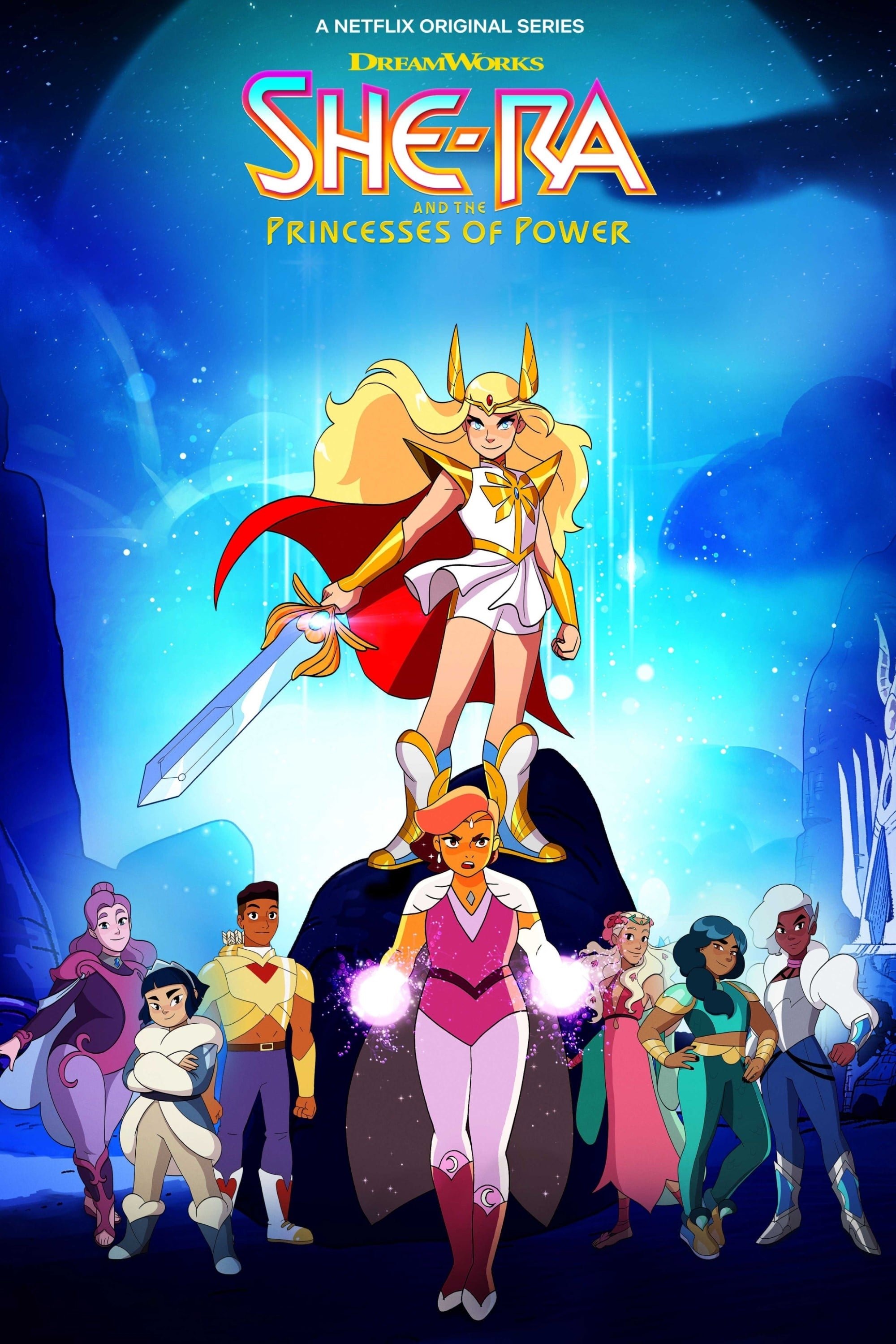
From She-Ra and the Princesses of Power
She-Ra S4: 9/10 woke – Overloads kids' fantasy with central sapphic romance, non-binary shapeshifter villain, forced diversity, and identity politics that bury adventure under queer activism; avoid for blatant indoctrination.
She-Ra and the Princesses of Power Season 4 exemplifies heavy progressive ideological intrusion into children's animation, embedding LGBTQ+ identity politics and identity exploration as core emotional drivers that overshadow the fantasy adventure premise.
The season pivots around the sapphic protagonists Adora and Catra's mutual love confession and first on-screen kiss, a 'revolutionary' moment for kids' media that centers queer romance as the primary emotional payoff and conflict resolver, fundamentally altering the rebooted source material's dynamics. A prominent non-binary shapeshifter, Double Trouble—gender-changed from the original female character—is introduced as a central antagonist who infiltrates the heroes via psychological manipulation, normalizing they/them pronouns and gender fluidity in a focal role. Diverse casting features race-swaps like Latina Aimee Carrero as the traditionally blonde She-Ra, alongside other non-white voices, clashing with the 1980s source aesthetic without narrative justification.
Showrunner ND Stevenson's interviews reveal activist intent, framing themes of 'embracing power,' destiny vs. choice, and female leadership burdens through personal queer anxieties and insecurities, layering intersectional identity (queer women, non-binary) onto character arcs. Multiple confirmed sapphic relationships (Perfuma/Scorpia, Netossa/Spinnerella) reinforce normalization in subplots. This children's show, targeting impressionable youth, amplifies the damage by making such elements foundational, sparking backlash for forced diversity, 'too queer' agenda, and prioritizing message over entertainment, compromising plot coherence with tedious infiltration arcs and ideological lectures on identity. The result is indoctrination disguised as heroism, eroding traditional storytelling for overt social justice activism.
Methodology: Each score synthesizes audience discourse, critic and aggregator reception, and press coverage — weighed against the work itself, not any single source.
See how this title scores across all 5 woke subcategories with detailed explanations.
Unlock with ProFrom $3/month · 3-day trial for $1
Every Friday: the week's most ideologically-loaded releases, scored — with the breakdown the headlines skip. Free, no spam, unsubscribe anytime.
We've run a full content analysis on She-Ra and the Princesses of Power - Season 4 and scored it 9/10 on the woke scale. Read our detailed breakdown above to see exactly what we found.
Our analysis checks for themes like identity politics, race-swapping, gender ideology, environmental activism, anti-religious messaging, and other progressive agenda elements. The score breakdown above shows which specific categories were flagged and how heavily they factor into She-Ra and the Princesses of Power - Season 4's overall score.
Wokeometer focuses on ideological content rather than traditional ratings (violence, language, etc.). She-Ra and the Princesses of Power - Season 4 is rated TV-Y7. For a full picture, combine our woke analysis with the age ratingto decide if it's right for your family.
We evaluate media across multiple ideological categories on a 0–10 scale. Scores of 0–3 mean story-first, 4–6 have moderate elements, and 7–10 flag heavily agenda-driven content. Learn more about our methodology →

Aimee Carrero
Adora / She-Ra (voice)
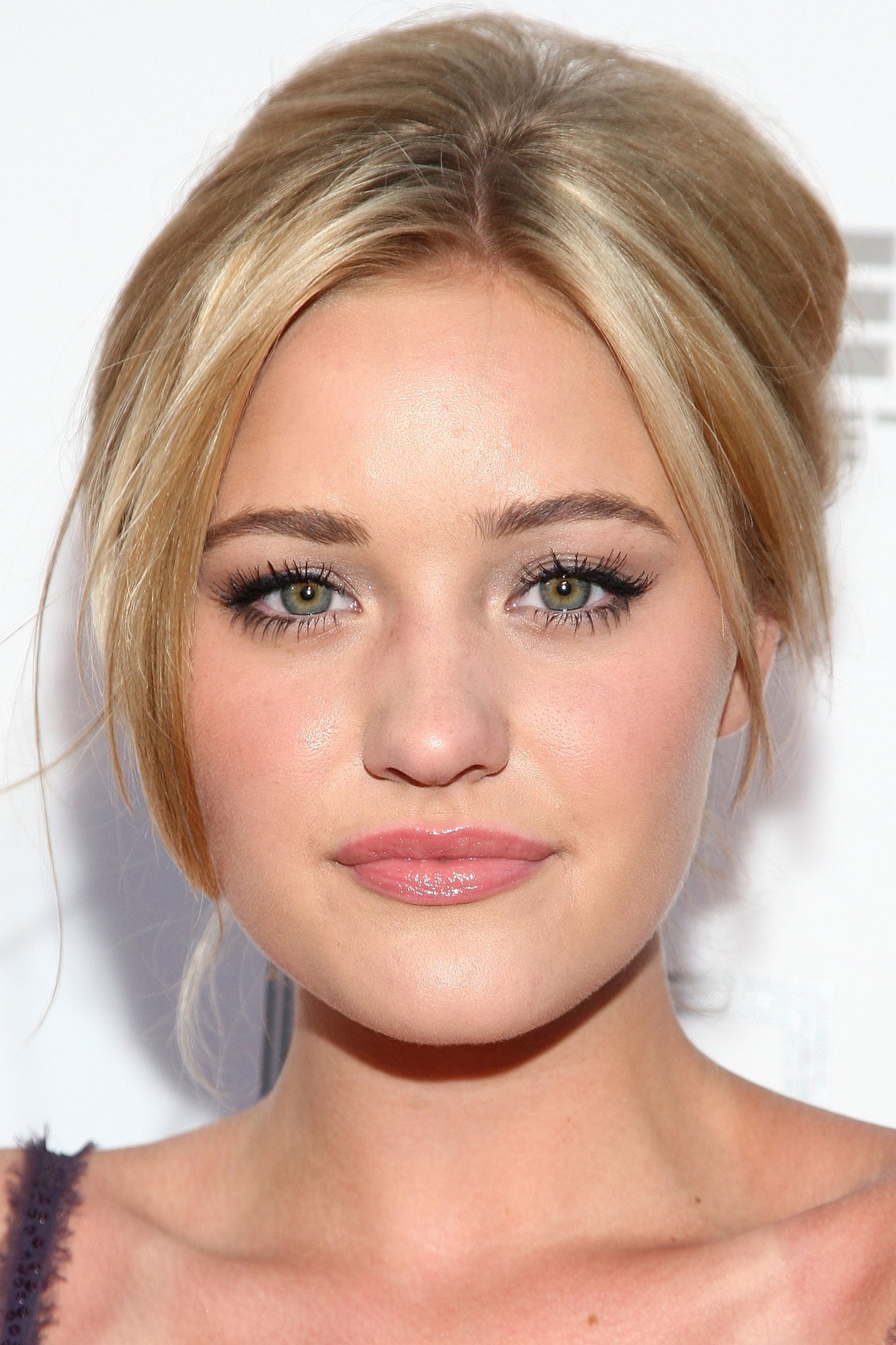
AJ Michalka
Catra (voice)
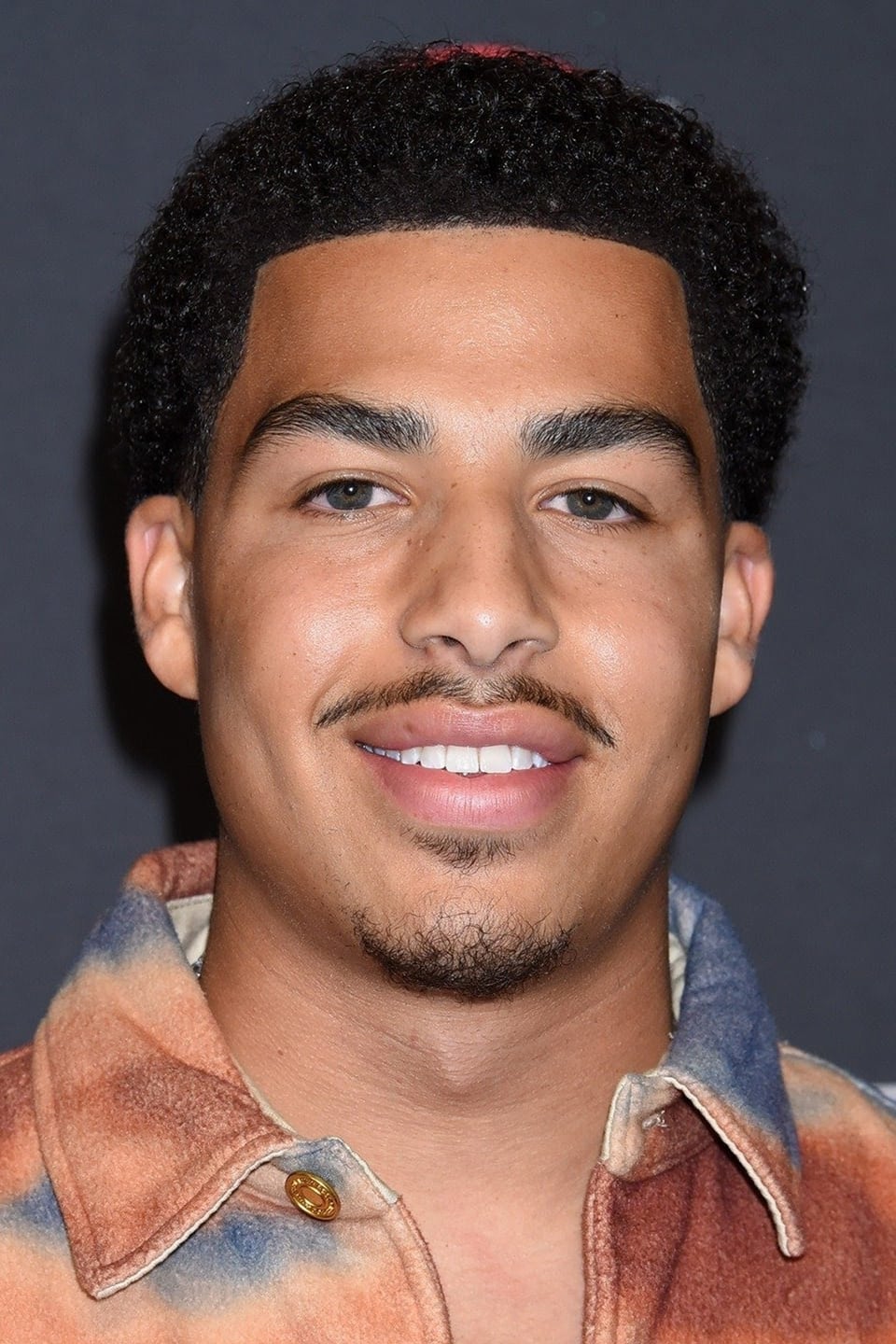
Marcus Scribner
Bow (voice)
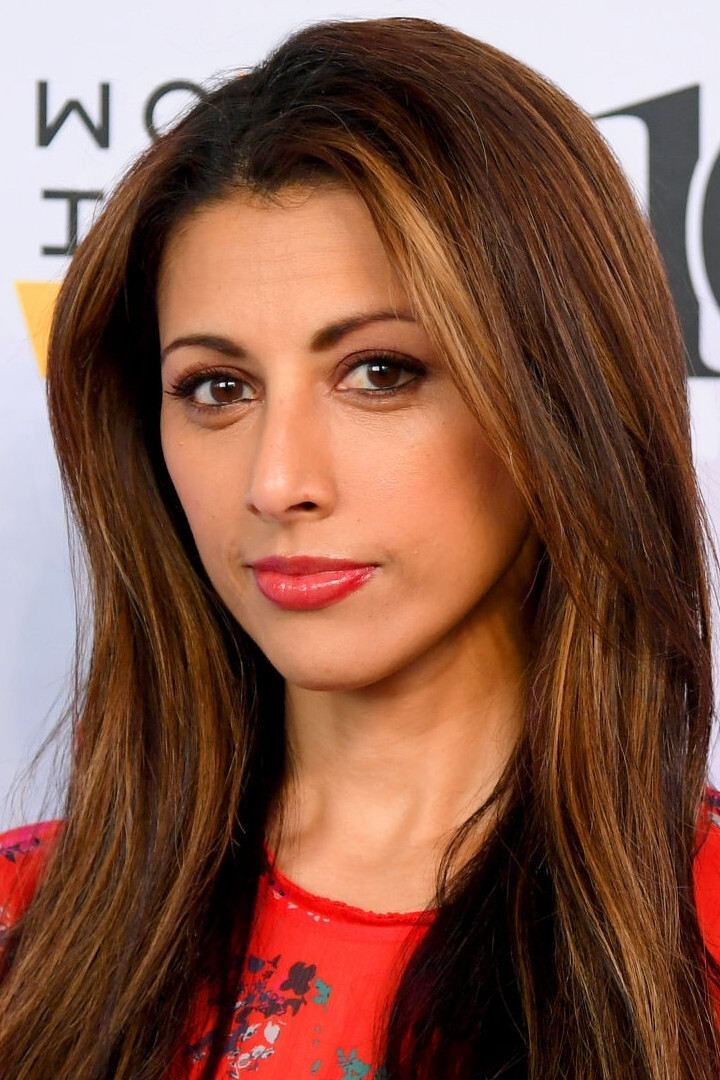
Reshma Shetty
Angella (voice)
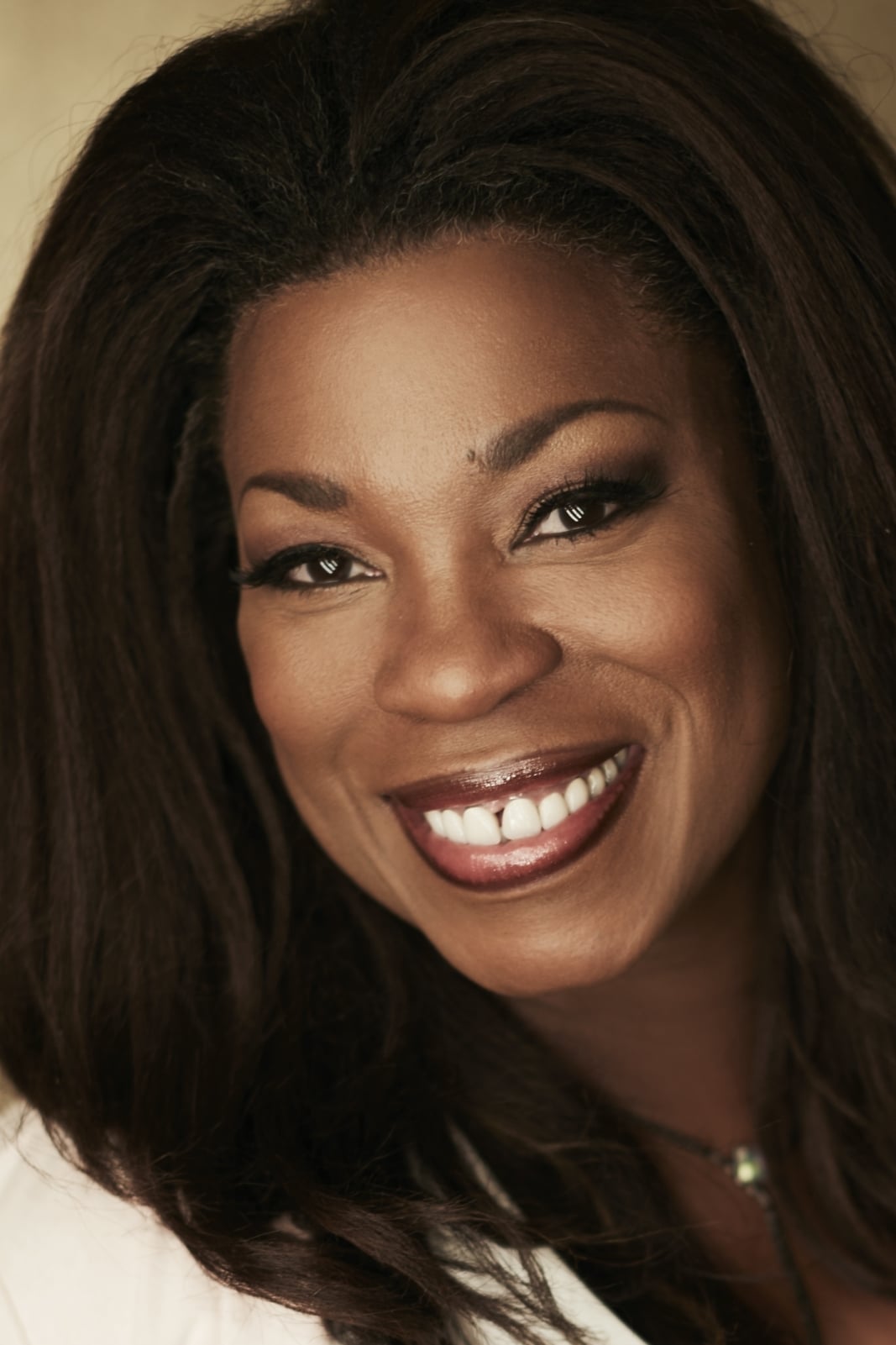
Lorraine Toussaint
Shadow Weaver (voice)
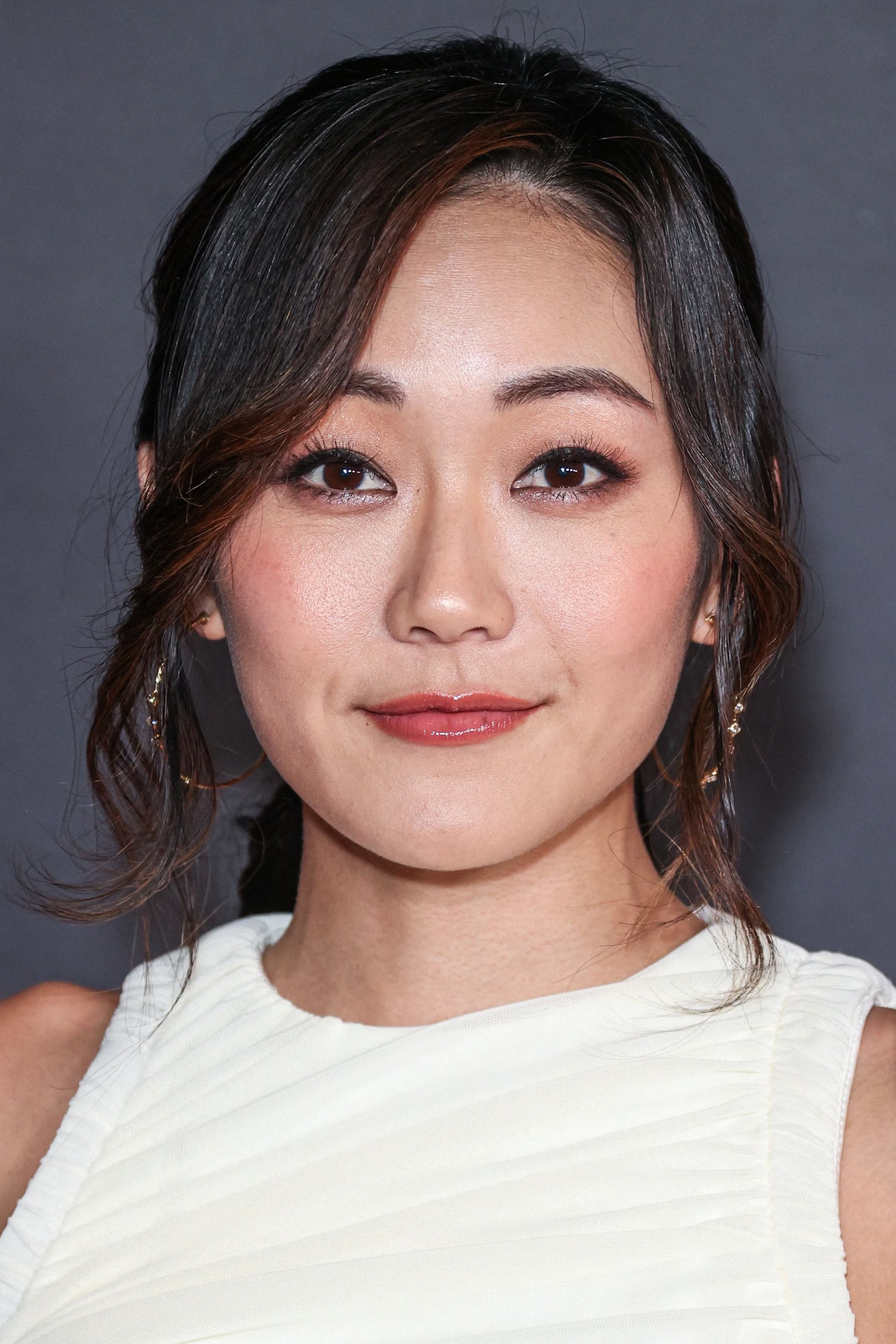
Karen Fukuhara
Glimmer (voice)
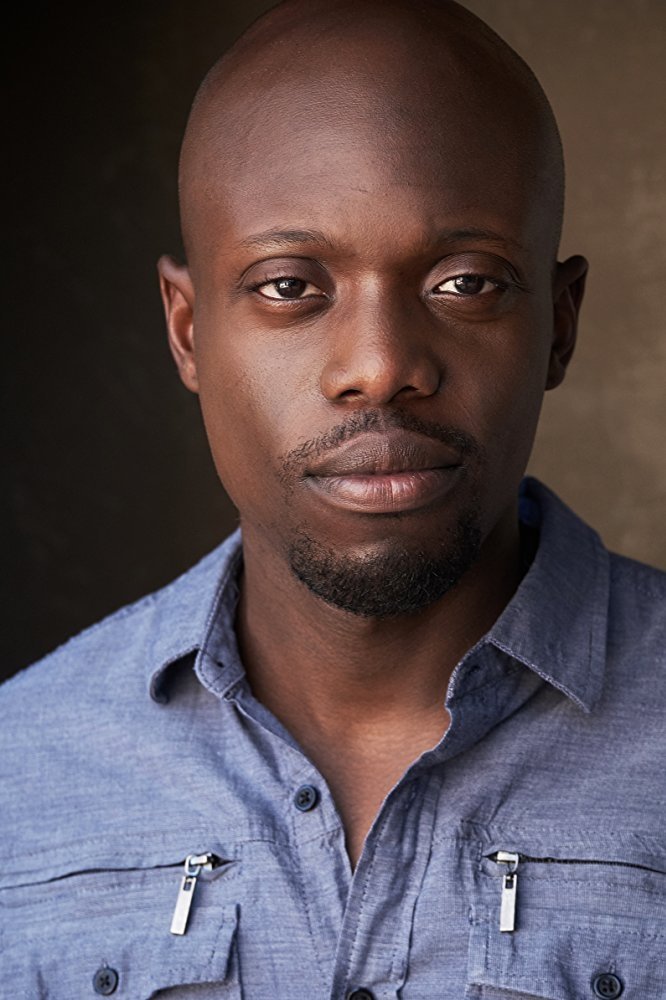
Keston John
Hordak (voice)
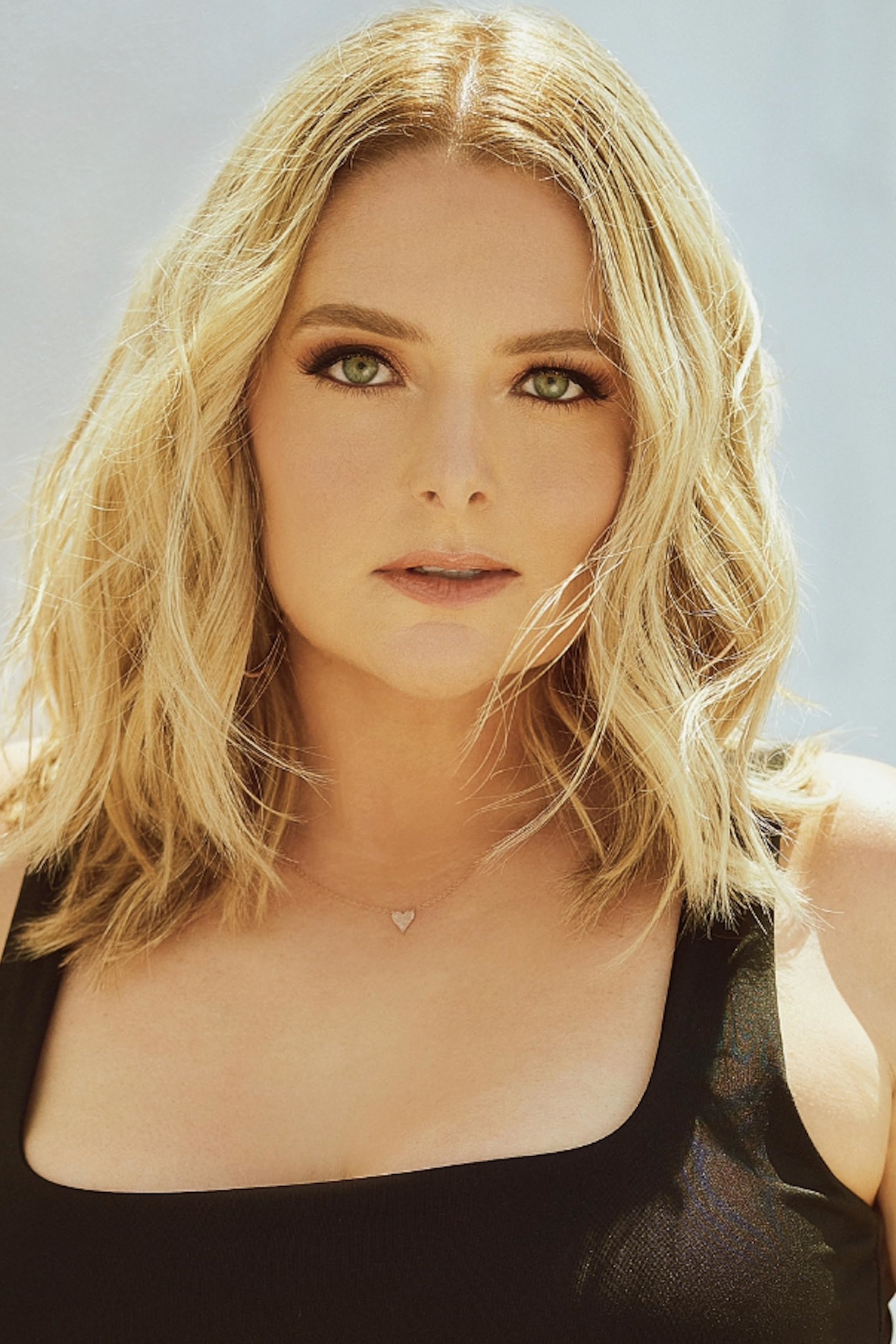
Lauren Ash
Scorpia (voice)

Christine Woods
Entrapta (voice)

Genesis Rodriguez
Perfuma (voice)
Similar titles you might enjoy
No reviews yet
Be the first to share what you thought of She-Ra and the Princesses of Power - Season 4.