
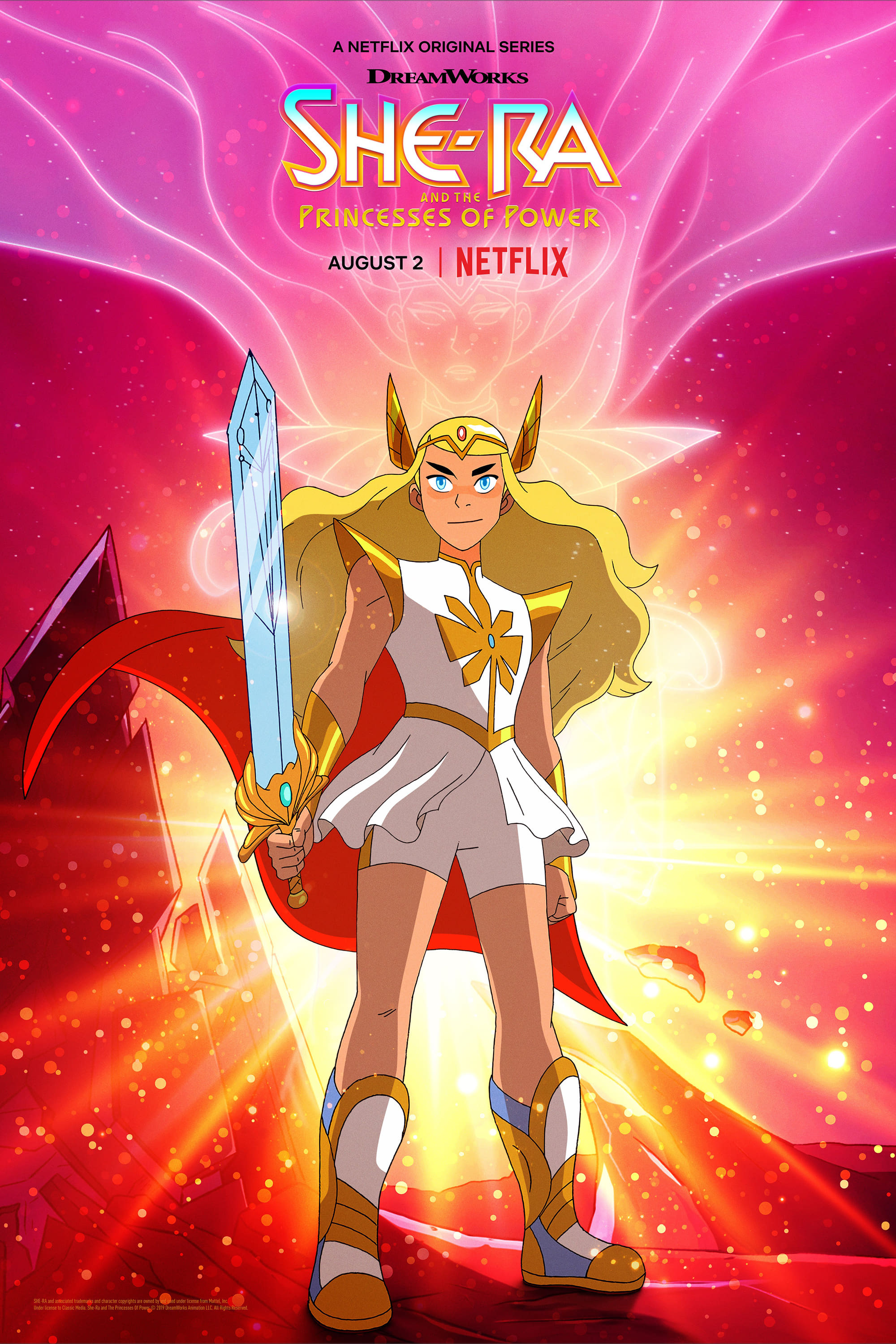
From She-Ra and the Princesses of Power
She-Ra S3 hits a woke 9/10 with dominant sapphic romance, DEI redesigns, and oppression narratives that bury adventure under identity politics—skip for kids' escapist fun.
She-Ra and the Princesses of Power Season 3 exemplifies heavy progressive ideological intrusion into children's animation, embedding identity politics, queer relationships, and critiques of power structures as core narrative drivers that overshadow traditional heroic fantasy entertainment.
The season centers on Adora's obsessive rivalry-turned-romance with Catra, a sapphic dynamic that dominates emotional arcs and plot progression, with their fraught 'enemies-to-lovers' tension serving as the primary conflict engine rather than straightforward good-vs-evil battles. This queer-coded relationship, building to explicit canon status, exemplifies normalization of LGBTQ+ identities in a kids' show, complete with flirtatious undertones and mutual obsession displacing heroic duties.
Diverse casting—featuring non-white leads like Latina Adora (Aimee Carrero), Black Shadow Weaver (Lorraine Toussaint), and Indian Frosta (Reshma Shetty)—imposes modern DEI mandates alien to the source material's 1980s aesthetic, while character redesigns prioritize body diversity and non-traditional femininity (muscular She-Ra, varied body types) over appealing visuals, drawing backlash for 'uglifying' icons. Themes amplify systemic oppression narratives: Shadow Weaver's abusive mentorship critiques toxic authority, Entrapta's arc hints at neurodiversity, and Etheria's isolation warns of imperial power abuses, all framed through identity exploration (Adora's origins as a 'First One').
Creator ND Stevenson's overt activist intent for queer representation in youth media permeates, with the ensemble's casual queerness (bi-coded Bow/Glimmer, sapphic hints elsewhere) making non-traditional identities a foundational premise. Audience reception splits, with 'woke' labels and 'go woke go broke' critiques from traditional fans lamenting forced messaging that prioritizes activism over fun, adventure, or broad appeal, compromising the show's escapist potential for impressionable young viewers.
Methodology: Each score synthesizes audience discourse, critic and aggregator reception, and press coverage — weighed against the work itself, not any single source.
See how this title scores across all 5 woke subcategories with detailed explanations.
Unlock with ProFrom $3/month · 3-day trial for $1
Every Friday: the week's most ideologically-loaded releases, scored — with the breakdown the headlines skip. Free, no spam, unsubscribe anytime.
We've run a full content analysis on She-Ra and the Princesses of Power - Season 3 and scored it 9/10 on the woke scale. Read our detailed breakdown above to see exactly what we found.
Our analysis checks for themes like identity politics, race-swapping, gender ideology, environmental activism, anti-religious messaging, and other progressive agenda elements. The score breakdown above shows which specific categories were flagged and how heavily they factor into She-Ra and the Princesses of Power - Season 3's overall score.
Wokeometer focuses on ideological content rather than traditional ratings (violence, language, etc.). She-Ra and the Princesses of Power - Season 3 is rated TV-Y7. For a full picture, combine our woke analysis with the age ratingto decide if it's right for your family.
We evaluate media across multiple ideological categories on a 0–10 scale. Scores of 0–3 mean story-first, 4–6 have moderate elements, and 7–10 flag heavily agenda-driven content. Learn more about our methodology →

No reviews yet
Be the first to share what you thought of She-Ra and the Princesses of Power - Season 3.

Aimee Carrero
Adora / She-Ra (voice)
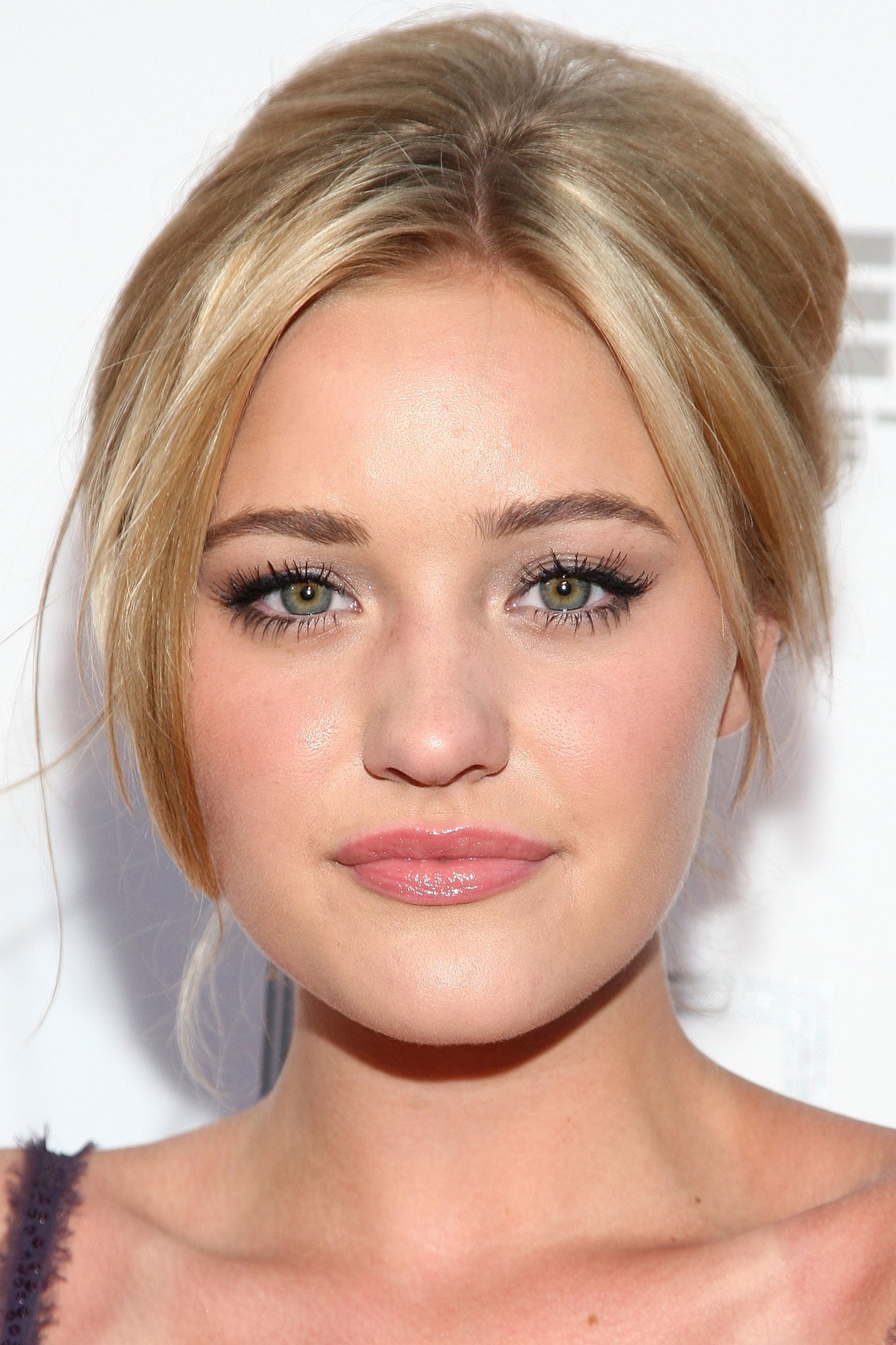
AJ Michalka
Catra (voice)
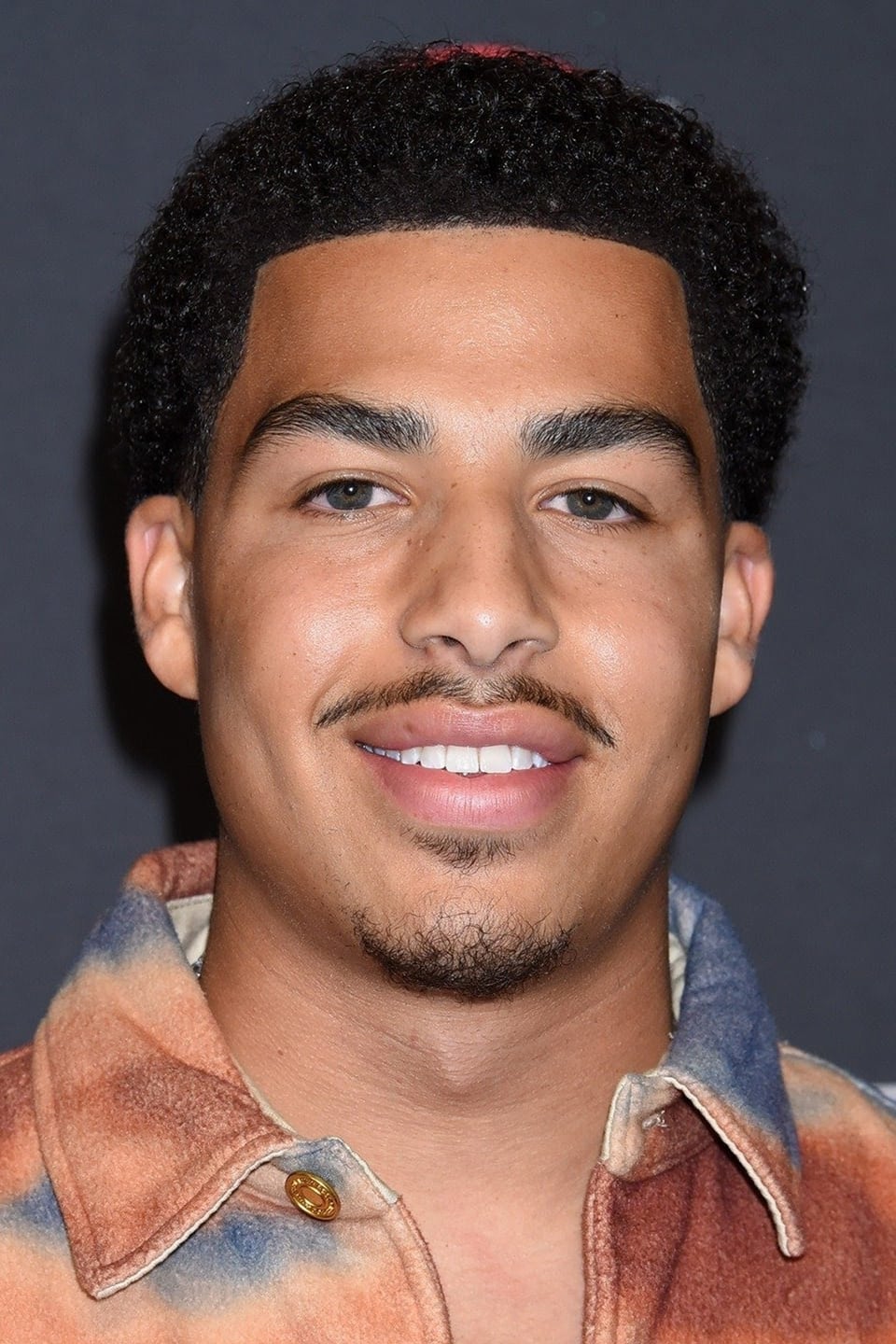
Marcus Scribner
Bow (voice)
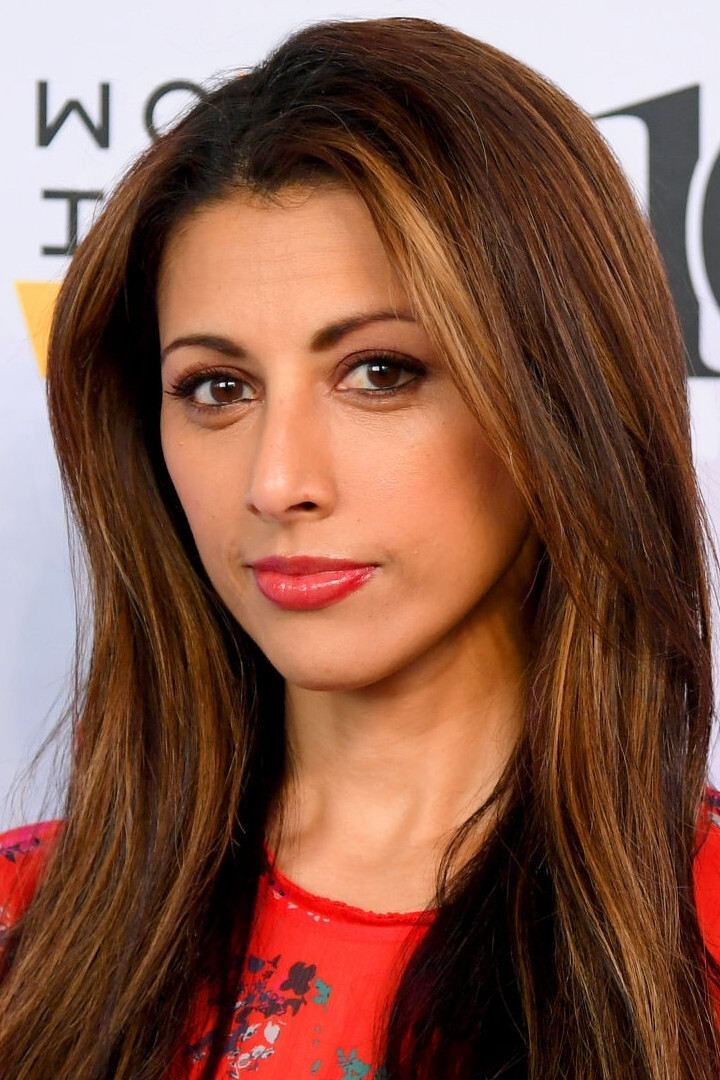
Reshma Shetty
Angella (voice)
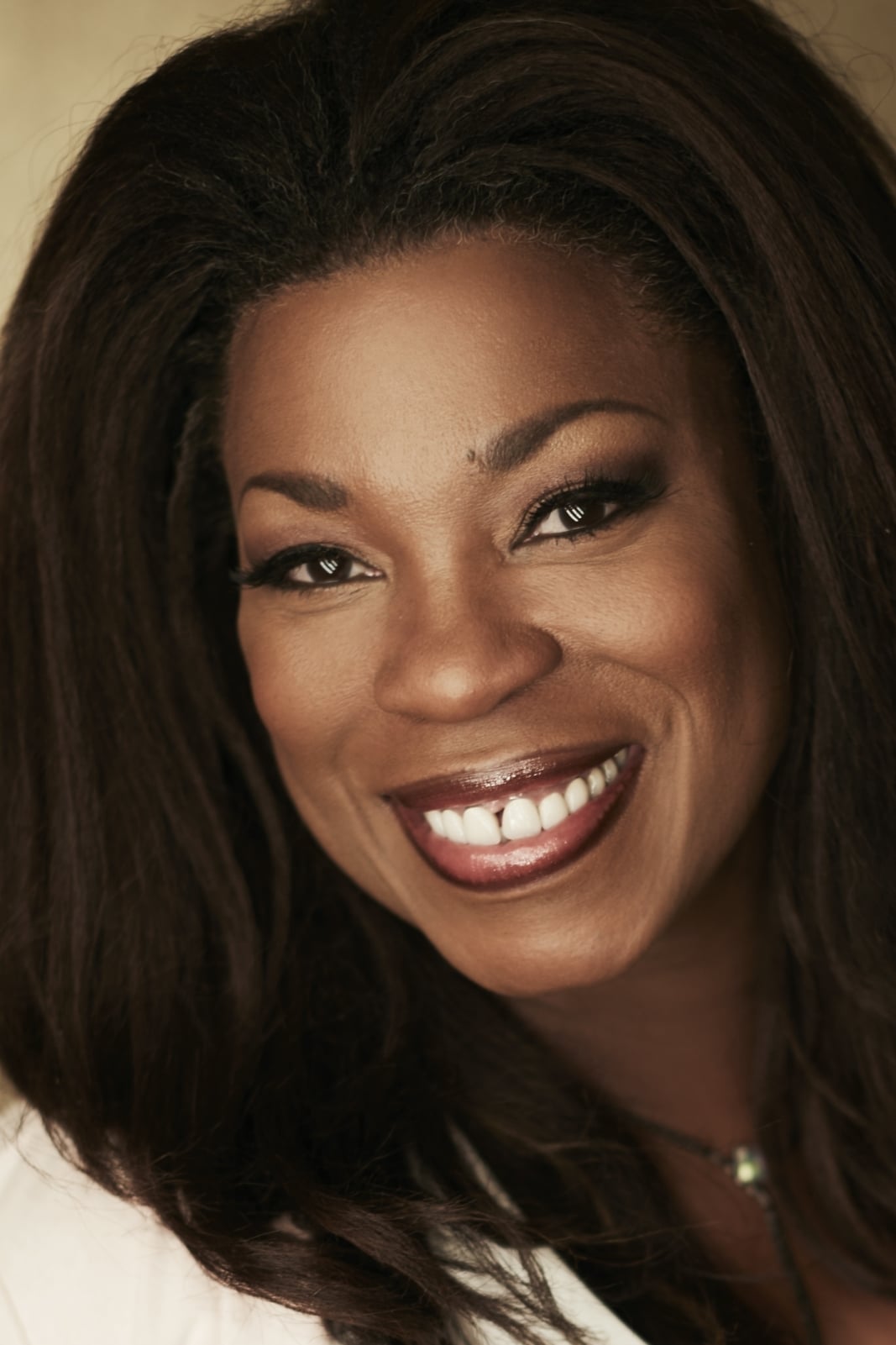
Lorraine Toussaint
Shadow Weaver (voice)
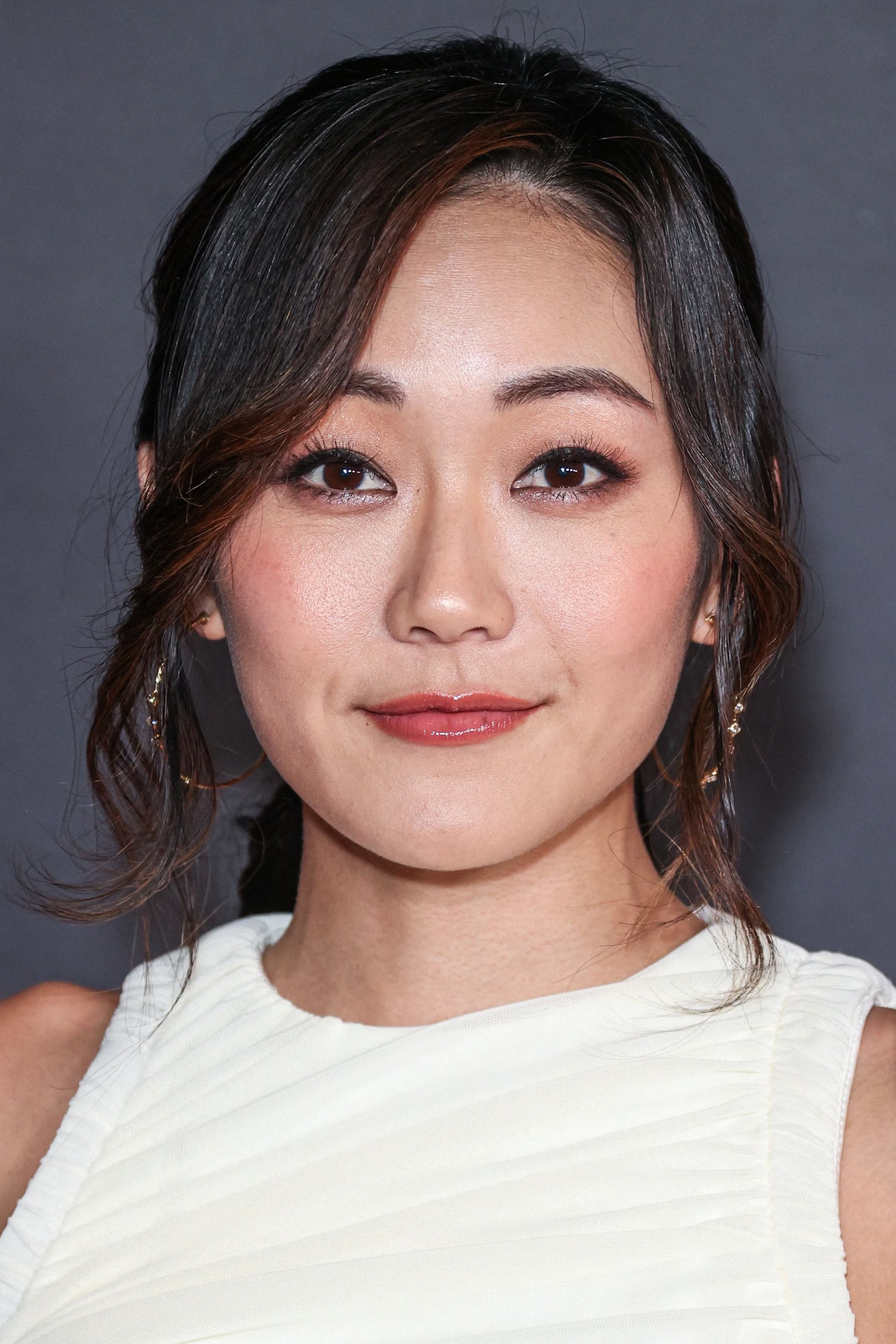
Karen Fukuhara
Glimmer (voice)
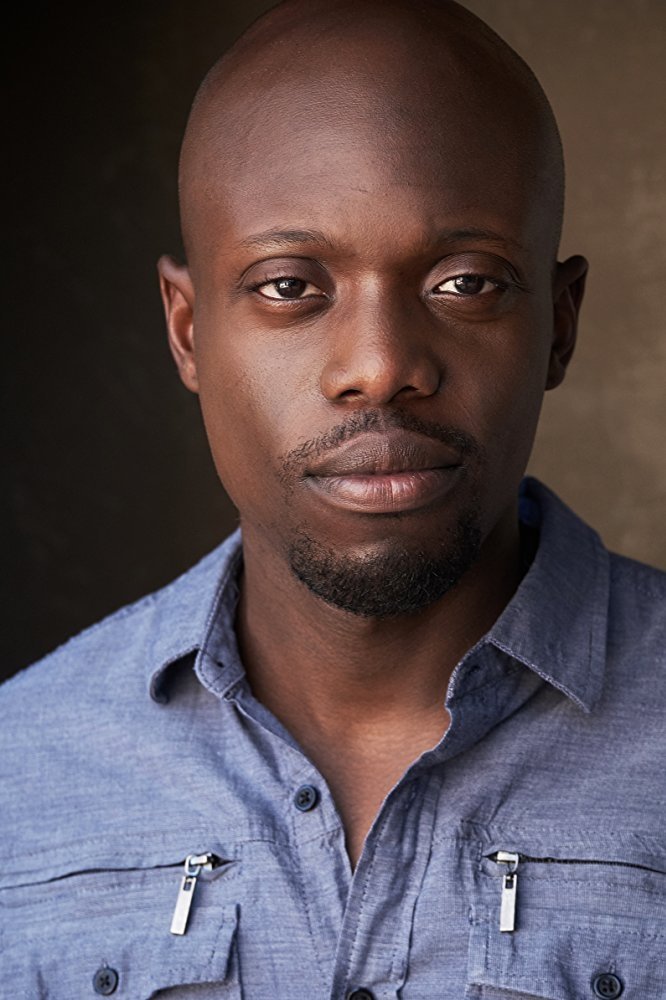
Keston John
Hordak (voice)
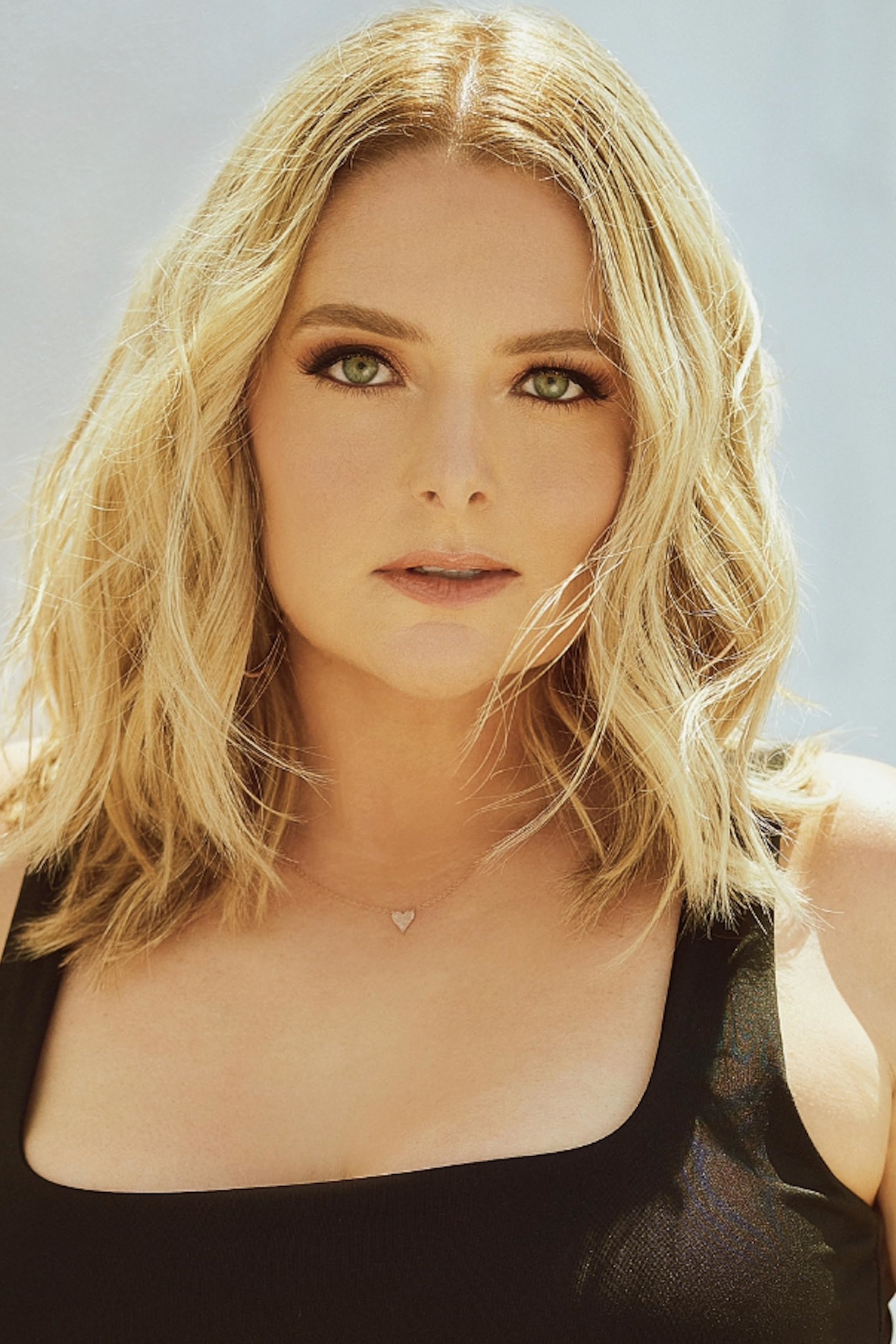
Lauren Ash
Scorpia (voice)

Christine Woods
Entrapta (voice)

Genesis Rodriguez
Perfuma (voice)