Wokeometer Rating
2Based
Scale: 0 = not woke, 10 = maximally woke
TL;DR Verdict
Noragami Season 1 scores a low 2/10 on wokeness by delivering Shinto-inspired supernatural action and redemption arcs that stay faithful to the manga, with no identity-driven casting changes or activist framing. Themes of loneliness and the human-divine divide emerge organically from character struggles rather than social messaging.
Paid creator placementsFeature your article or video on this page
Detailed Analysis
Noragami Season 1 centers on the stray god Yato accepting 5-yen wishes to battle phantoms and build a following, alongside his new regalia Yukine and the human girl Hiyori whose soul slips between worlds after saving him.
The 12 episodes follow concrete plot points such as Yato hunting a missing cat in episode 1, Yukine confronting his impure thoughts in episode 5, a bullying job in episode 8, and a final confrontation with the god Rabo in episodes 10-12, all rooted in Shinto-inspired supernatural action and personal redemption arcs.
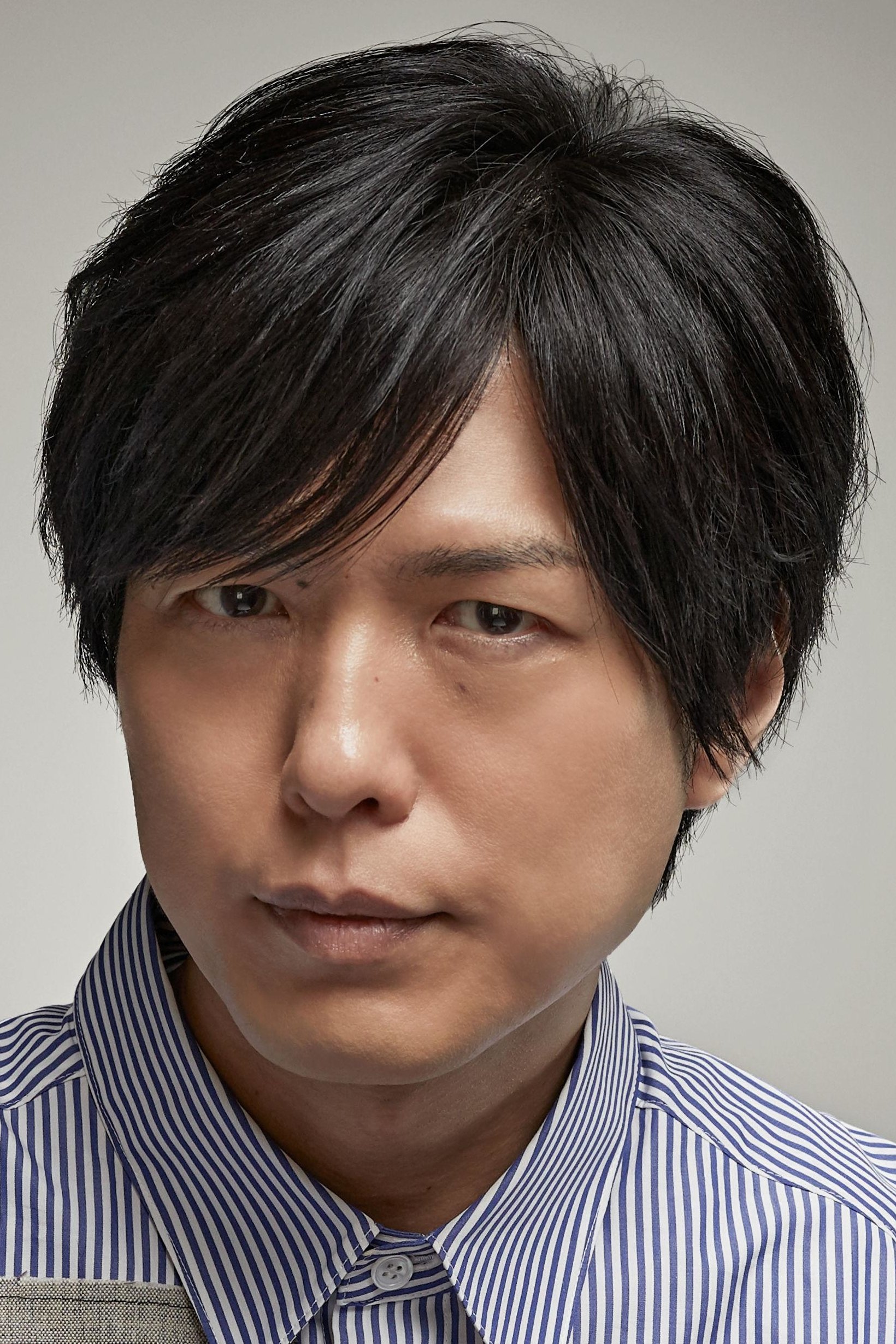
No established characters receive race, gender, or sexuality alterations from the source manga. The voice cast consists of standard Japanese performers including Hiroshi Kamiya as Yato, Maaya Uchida as Hiyori, and Yuki Kaji as Yukine, with no cross-sex or identity-driven casting departures. Themes of identity, loneliness, and the human-divine divide emerge organically through character struggles rather than activist framing.
Creator statements and production materials emphasize adapting the manga's focus on modern Shinto gods and emotional bonds without reference to contemporary social justice priorities. Audience and critical reception highlights the series' entertainment value in action and relationships, with no documented backlash or praise tied to progressive messaging. Minor elements like character interactions in episode 5 remain incidental to the core fantasy premise.
Key Factors
- Traditional shonen supernatural action premise with no identity politics as central driver
- Faithful voice casting of original manga characters without established-role alterations
- Narrative focus on gods, phantoms, bullying resolution, and personal bonds rather than systemic critiques or representation mandates
Methodology: Each score synthesizes audience discourse, critic and aggregator reception, and press coverage — weighed against the work itself, not any single source.
Pro BreakdownPro
Identity Politics & Racial Essentialism
Gender Ideology & LGBTQ+ Themes
DEI Casting & Representation Mandates
Preachiness & Message-First Agenda
Corporate & Creator Activism
See how this title scores across all 5 woke subcategories with detailed explanations.
Unlock with ProFrom $3/month · 3-day trial for $1
The Woke Report
A curated roundup of newly scored movies, shows, and games, with the context behind the scores. Free. Unsubscribe anytime.
Privacy policyDirected by
3 more directors
Is Noragami - Season 1 Woke?
We've run a full content analysis on Noragami - Season 1 and scored it 2/10 on the woke scale. Read our detailed breakdown above to see exactly what we found.
Frequently Asked Questions
What kind of woke content is in Noragami - Season 1?
Our analysis checks for themes like identity politics, race-swapping, gender ideology, environmental activism, anti-religious messaging, and other progressive agenda elements. The score breakdown above shows which specific categories were flagged and how heavily they factor into Noragami - Season 1's overall score.
Is Noragami - Season 1 family-friendly?
Wokeometer focuses on ideological content rather than traditional ratings (violence, language, etc.). Noragami - Season 1 is rated TV-14. For a full picture, combine our woke analysis with the age rating to decide if it's right for your family.
How does Wokeometer score tv shows?
We evaluate media across multiple ideological categories on a 0–10 scale. Scores of 0–3 mean story-first, 4–6 have moderate elements, and 7–10 flag heavily agenda-driven content. Learn more about our methodology →