Wokeometer Rating
6Mixed
Scale: 0 = not woke, 10 = maximally woke
TL;DR Verdict
Season 3 integrates mental health destigmatization and stereotype-breaking arcs into its teen romance and family drama without letting them dominate the story. This keeps the messaging noticeable yet secondary, earning a moderate 6/10.
Paid creator placementsFeature your article or video on this page
Detailed Analysis
Never Have I Ever Season 3 centers on Devi Vishwakumar navigating junior-year romances, friendships, and family pressures in an original teen dramedy created by Mindy Kaling.
Concrete elements include the subplot where Fabiola and Aneesa begin dating after a bathroom kiss and mutual support, only for Fabiola to pursue non-binary Addison, with the relationship ending amicably; this affirmative LGBTQ+ portrayal and normalization appears across multiple episodes without serving as the core premise. Creators explicitly highlighted destigmatizing mental health, self-love, and diverse South Asian experiences, with Kaling and cast noting the show's focus on grief processing, confidence, and breaking model-minority stereotypes through characters like Devi and Kamala choosing personal paths over family expectations such as arranged marriage considerations.
Casting features original characters with organic ethnic diversity reflecting Southern California, including South Asian leads and supporting roles like Muslim-background Aneesa, without any race or gender swaps of established figures from prior source material. Thematic threads touch progressive topics such as slut-shaming gossip in episode 1 and burnout in episode 6, yet these integrate into standard coming-of-age romance and friendship drama rather than driving systemic critiques or identity politics as the foundational engine.
Reception shows appreciation for the representation alongside some fan division over the brevity of the Aneesa-Fabiola arc and limited exploration of certain identities, but no widespread "go woke go broke" narrative or creator-stated activist mandates override the entertainment-focused storytelling. The progressive elements register as noticeable in character arcs and subplots without overwhelming the series' primary appeal as relatable teen relationships and cultural family dynamics.
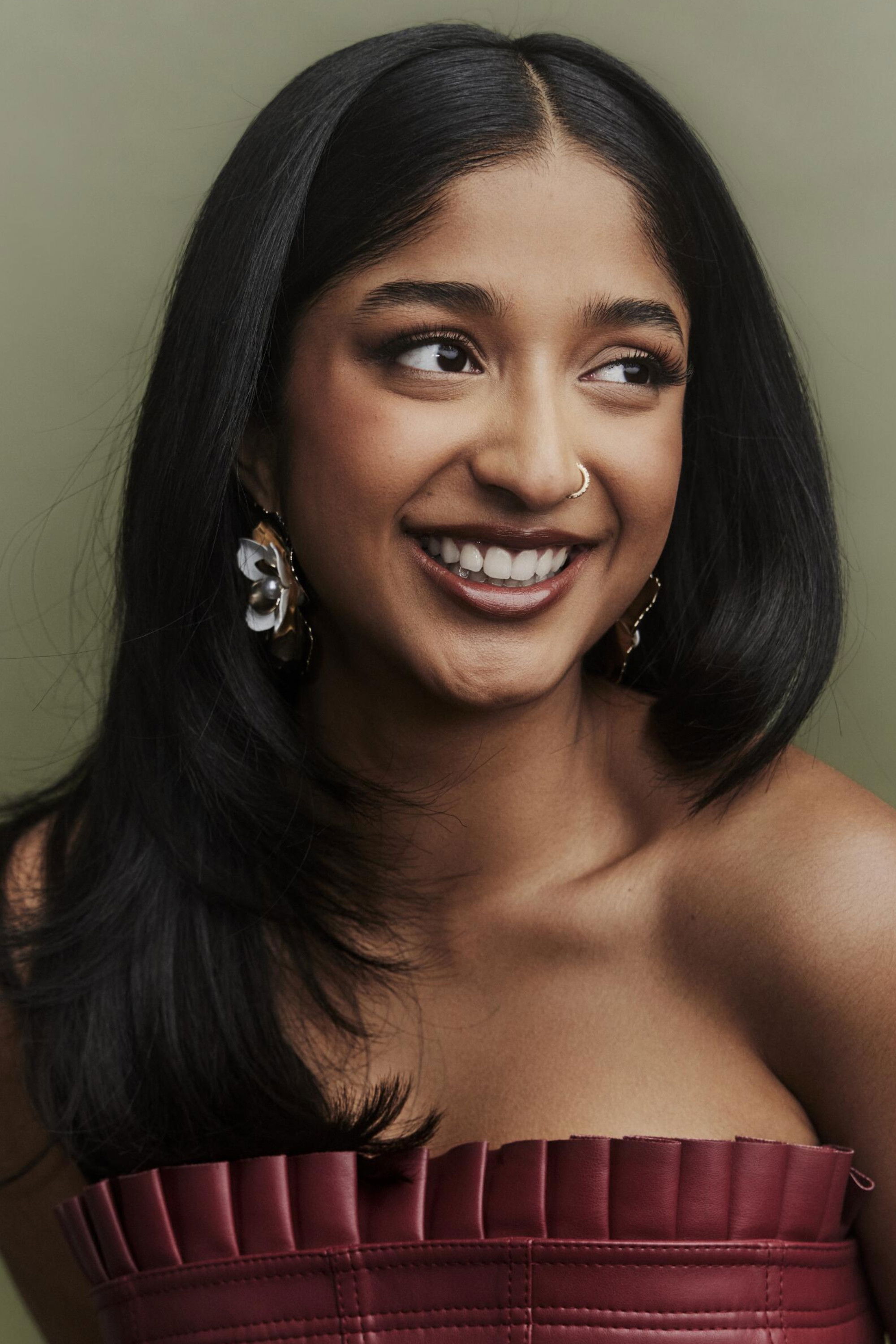
Casting evidence: Casting research is incomplete or contains unresolved comparisons; overall casting fidelity has not been established. Documented credits include Maitreyi Ramakrishnan as Devi Vishwakumar; Lee Rodriguez as Fabiola Torres. The casting comparison for Maitreyi Ramakrishnan as Devi Vishwakumar remains unresolved. The casting comparison for Lee Rodriguez as Fabiola Torres remains unresolved.
Key Factors
- Prominent LGBTQ+ subplots including Fabiola-Aneesa romance and non-binary Addison
- Creator emphasis on self-love, mental health destigmatization, and South Asian diaspora diversity
- Organic diverse casting of original characters without source swaps
- Light handling of topics like slut-shaming and family expectations within teen drama framework
Methodology: Each score synthesizes audience discourse, critic and aggregator reception, and press coverage — weighed against the work itself, not any single source.
Pro BreakdownPro
Identity Politics & Racial Essentialism
Gender Ideology & LGBTQ+ Themes
DEI Casting & Representation Mandates
Preachiness & Message-First Agenda
Corporate & Creator Activism
See how this title scores across all 5 woke subcategories with detailed explanations.
Unlock with ProFrom $3/month · 3-day trial for $1
The Woke Report
A curated roundup of newly scored movies, shows, and games, with the context behind the scores. Free. Unsubscribe anytime.
Privacy policyDirected by
3 more directors
Is Never Have I Ever - Season 3 Woke?
We've run a full content analysis on Never Have I Ever - Season 3 and scored it 6/10 on the woke scale. Read our detailed breakdown above to see exactly what we found.
Frequently Asked Questions
What kind of woke content is in Never Have I Ever - Season 3?
Our analysis checks for themes like identity politics, race-swapping, gender ideology, environmental activism, anti-religious messaging, and other progressive agenda elements. The score breakdown above shows which specific categories were flagged and how heavily they factor into Never Have I Ever - Season 3's overall score.
Is Never Have I Ever - Season 3 family-friendly?
Wokeometer focuses on ideological content rather than traditional ratings (violence, language, etc.). Never Have I Ever - Season 3 is rated TV-14. For a full picture, combine our woke analysis with the age rating to decide if it's right for your family.
How does Wokeometer score tv shows?
We evaluate media across multiple ideological categories on a 0–10 scale. Scores of 0–3 mean story-first, 4–6 have moderate elements, and 7–10 flag heavily agenda-driven content. Learn more about our methodology →