
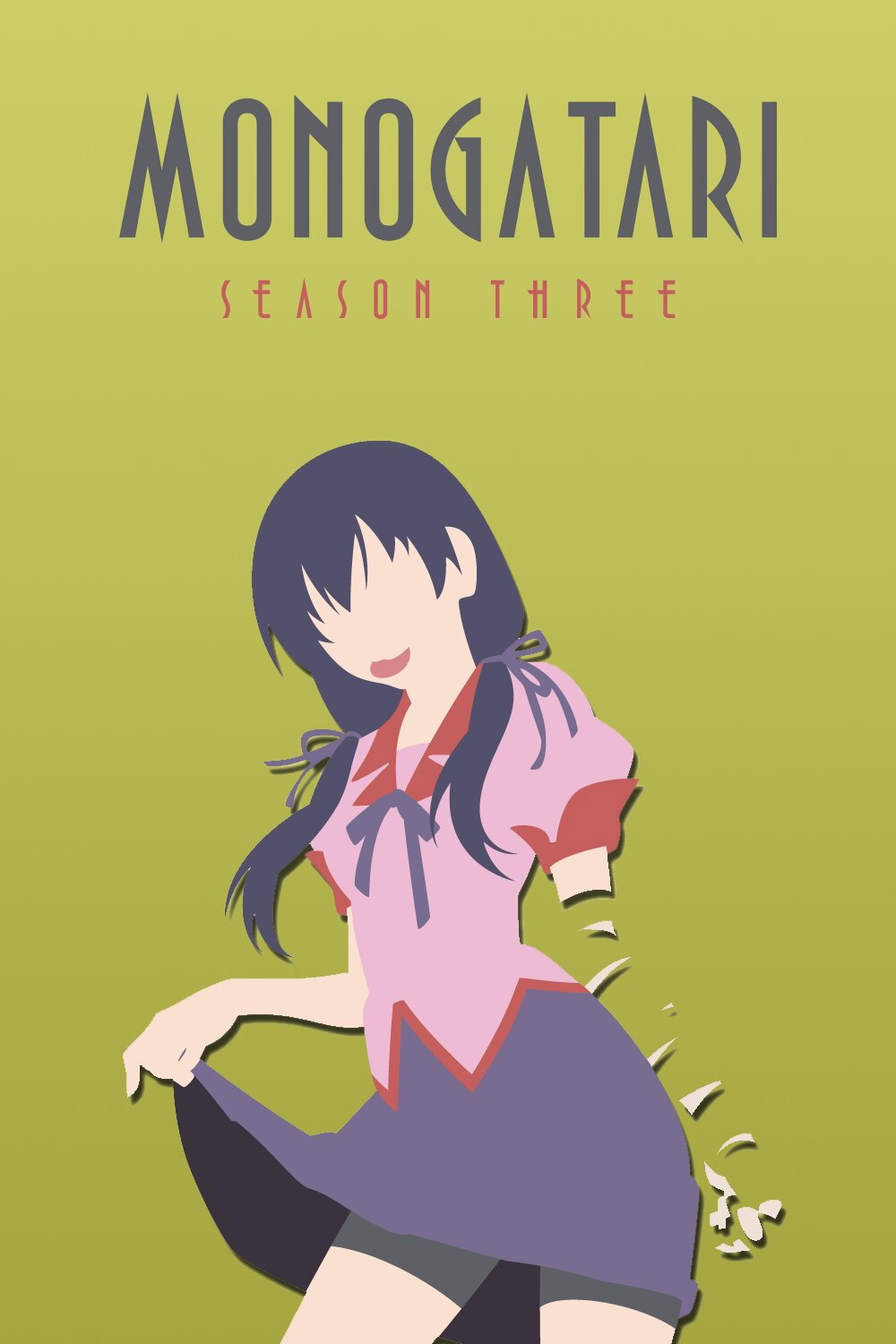
Monogatari Season 3 stays laser-focused on personal growth, psychological struggles, and classic storytelling with zero identity politics or activist framing. It earns a clean 0/10 woke score as pure, neutral entertainment.
Monogatari Season 3 (Monogatari Series: Second Season) exhibits zero progressive ideological influence.
The narrative centers on supernatural oddities serving as metaphors for personal psychological struggles, character growth, acceptance of self and circumstances, family dynamics, and individual relationships in a classic Japanese light novel adaptation style. Casting consists entirely of standard Japanese voice actors with no alterations to established characters for diversity mandates.
Themes emphasize individualism, self-discovery, and traditional storytelling tropes like hero's journey elements and emotional resolution through personal agency, without any framing around systemic oppression, identity politics, critiques of traditional norms, or social justice activism. The series includes prominent ecchi fanservice and sexualization elements that have drawn criticism from progressive viewpoints for objectification, further distancing it from modern activist messaging.
No creator statements indicate activist intent, and audience discussions focus on its dialogue-driven style, psychological depth, and harem dynamics rather than any political overlay. As mature anime aimed at adults, it receives no heightened scrutiny multiplier.
Methodology: Each score synthesizes audience discourse, critic and aggregator reception, and press coverage — weighed against the work itself, not any single source.
See how this title scores across all 5 woke subcategories with detailed explanations.
Unlock with ProFrom $3/month · 3-day trial for $1
Every Friday: the week's most ideologically-loaded releases, scored — with the breakdown the headlines skip. Free, no spam, unsubscribe anytime.
We've run a full content analysis on Monogatari - Season 3 and scored it 0/10 on the woke scale. Read our detailed breakdown above to see exactly what we found.
Our analysis checks for themes like identity politics, race-swapping, gender ideology, environmental activism, anti-religious messaging, and other progressive agenda elements. The score breakdown above shows which specific categories were flagged and how heavily they factor into Monogatari - Season 3's overall score.
Wokeometer focuses on ideological content rather than traditional ratings (violence, language, etc.). Monogatari - Season 3 is rated TV-14. For a full picture, combine our woke analysis with the age ratingto decide if it's right for your family.
We evaluate media across multiple ideological categories on a 0–10 scale. Scores of 0–3 mean story-first, 4–6 have moderate elements, and 7–10 flag heavily agenda-driven content. Learn more about our methodology →
No reviews yet
Be the first to share what you thought of Monogatari - Season 3.

Similar titles you might enjoy