Wokeometer Rating
6Mixed
Scale: 0 = not woke, 10 = maximally woke
TL;DR Verdict
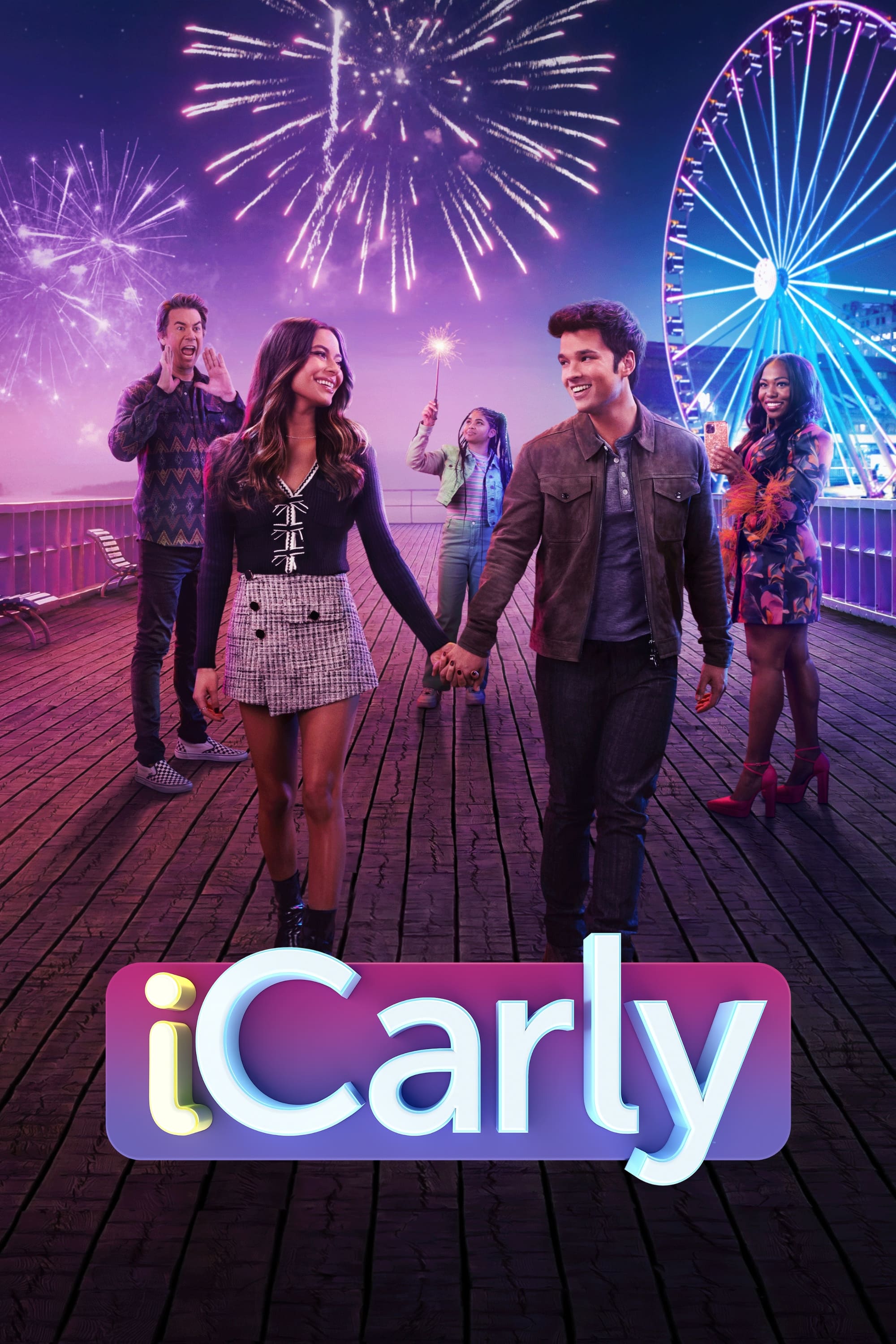
iCarly Season 3 keeps its core focus on Carly and Freddie's romance, Spencer's growth, and light comedy plots, with Harper's storylines adding noticeable diversity and representation as supporting elements. These modern touches elevate the score to a moderate 6/10 without redefining the show's premise or driving primary conflicts.
Paid creator placementsFeature your article or video on this page
Detailed Analysis
Season 3 of the iCarly revival centers on Carly and Freddie navigating their romantic relationship (#Creddie), Spencer's personal growth, and Harper's storylines including a reunion with an old rival and a new romantic interest.
The core premise remains light adult comedy and nostalgia-driven friendship/romance plots without systemic oppression narratives or critiques of traditional norms as foundational drivers. Harper, a new original character, receives prominent affirmative LGBTQ+ portrayal as an openly queer woman with on-screen same-sex romance elements and cast statements emphasizing "plenty of gay moments," which adds noticeable representation but functions as a subplot rather than the emotional or narrative core.
Casting introduces no changes to established original characters' identities; returning leads reprise their roles faithfully while Harper and Millicent are revival originals. Creator and cast interviews highlight intentional diversity and normalization of queer identities, including references to non-binary individuals in dialogue, aligning with broader progressive inclusion efforts in the revival. This elevates the score beyond incidental background diversity.
Audience and critical reception notes praise for the inclusive elements alongside the central Creddie focus, with no widespread "go woke go broke" backlash specific to season 3. The progressive elements are prominent in character arcs and marketing but do not redefine the show's premise or drive primary conflicts, placing it in the noticeable-but-not-overwhelming range.
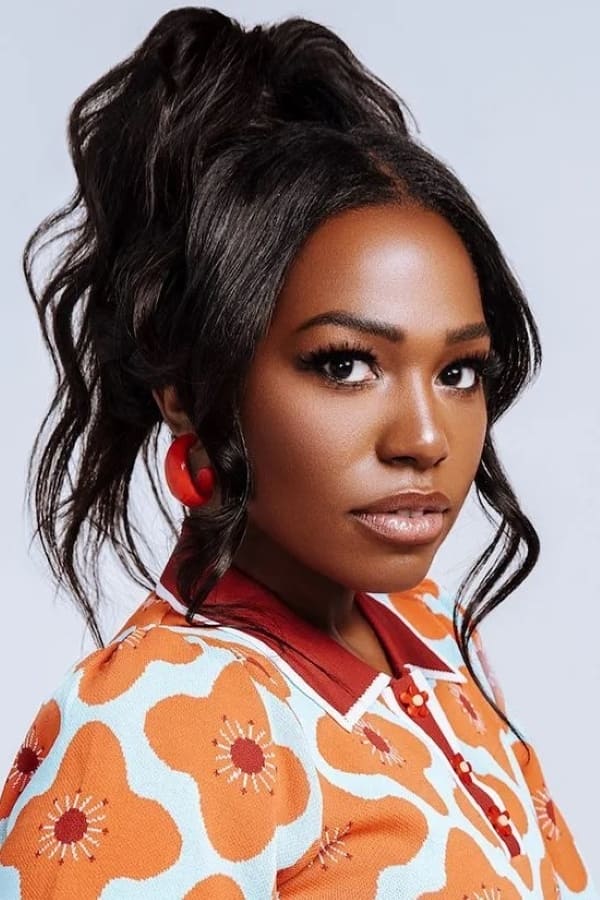
Casting evidence: Casting research is incomplete or contains unresolved comparisons; overall casting fidelity has not been established. Documented credits include Miranda Cosgrove as Carly Shay; Laci Mosley as Harper Bettencourt.
Key Factors
- Prominent queer portrayal of new character Harper with romantic subplots and cast emphasis on gay moments
- Creator/showrunner intent to include gender fluidity and diverse representation in mature storylines
- No established character race/gender/sexuality swaps; new originals only
- Central narrative remains traditional hetero romance and comedy without ideological lectures
Methodology: Each score synthesizes audience discourse, critic and aggregator reception, and press coverage — weighed against the work itself, not any single source.
Pro BreakdownPro
Identity Politics & Racial Essentialism
Gender Ideology & LGBTQ+ Themes
DEI Casting & Representation Mandates
Preachiness & Message-First Agenda
Corporate & Creator Activism
See how this title scores across all 5 woke subcategories with detailed explanations.
Unlock with ProFrom $3/month · 3-day trial for $1
The Woke Report
A curated roundup of newly scored movies, shows, and games, with the context behind the scores. Free. Unsubscribe anytime.
Privacy policyDirected by
2 more directors
Is iCarly - Season 3 Woke?
We've run a full content analysis on iCarly - Season 3 and scored it 6/10 on the woke scale. Read our detailed breakdown above to see exactly what we found.
Frequently Asked Questions
What kind of woke content is in iCarly - Season 3?
Our analysis checks for themes like identity politics, race-swapping, gender ideology, environmental activism, anti-religious messaging, and other progressive agenda elements. The score breakdown above shows which specific categories were flagged and how heavily they factor into iCarly - Season 3's overall score.
Is iCarly - Season 3 family-friendly?
Wokeometer focuses on ideological content rather than traditional ratings (violence, language, etc.). iCarly - Season 3 is rated TV-PG. For a full picture, combine our woke analysis with the age rating to decide if it's right for your family.
How does Wokeometer score tv shows?
We evaluate media across multiple ideological categories on a 0–10 scale. Scores of 0–3 mean story-first, 4–6 have moderate elements, and 7–10 flag heavily agenda-driven content. Learn more about our methodology →