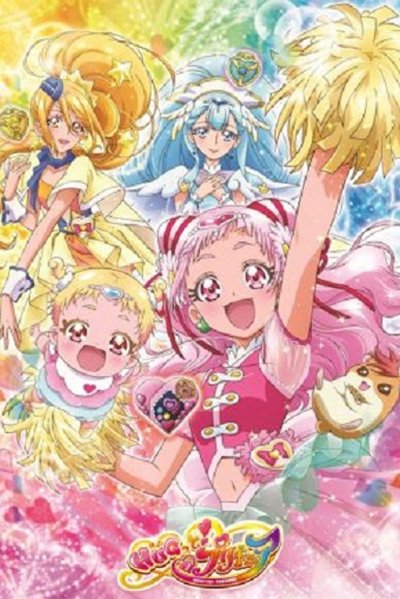
Wokeometer Rating
8Woke
Scale: 0 = not woke, 10 = maximally woke
TL;DR Verdict
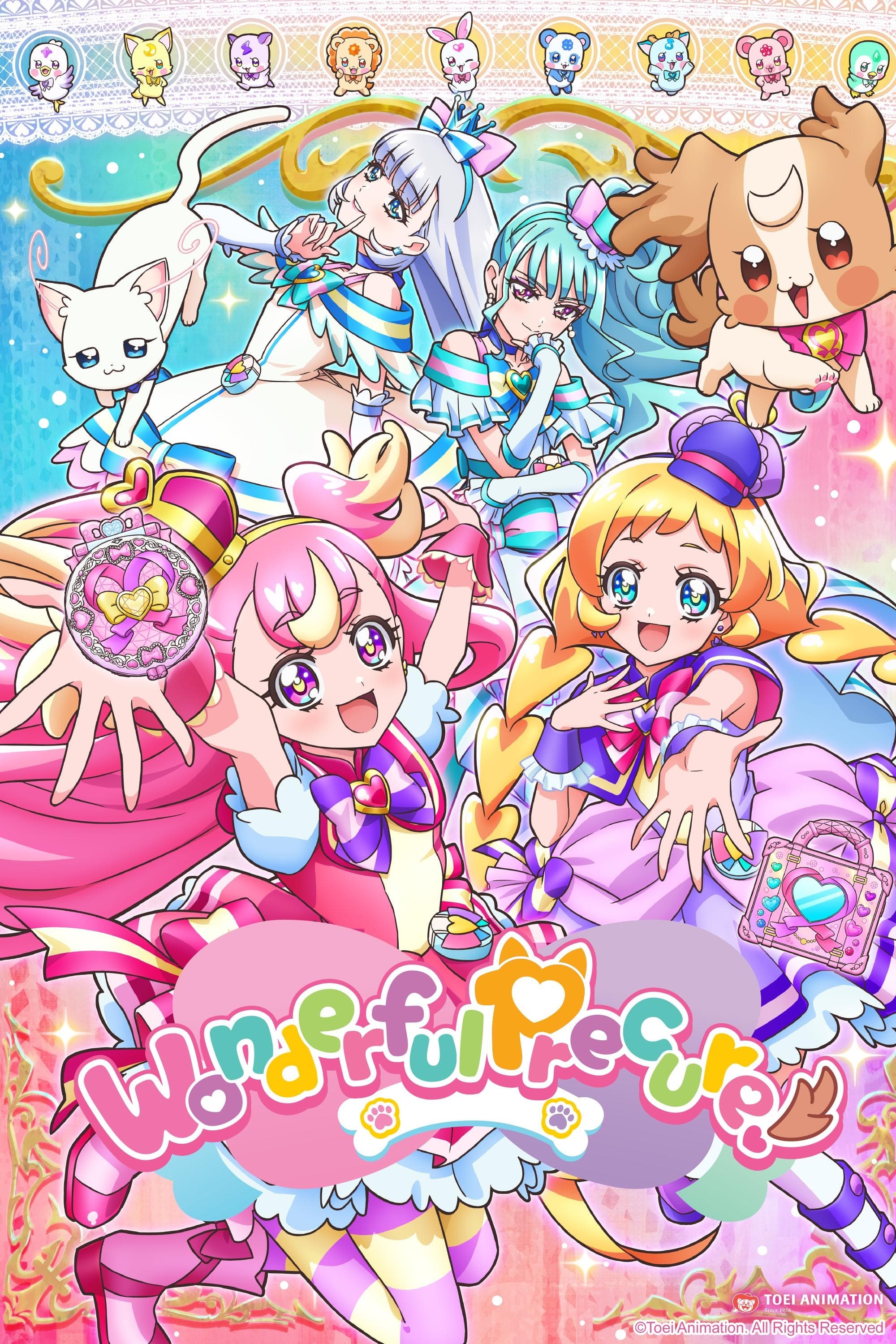
HUG! Pretty Cure Season 1 pushes progressive gender messaging as its central driver, with repeated storylines like a boy declaring himself a princess and transforming into the first male Cure to dismantle traditional roles. At 8/10 wokeness, the series functions more as ideological instruction for young viewers than neutral kids' entertainment—best avoided.
Paid creator placementsFeature your article or video on this page
Detailed Analysis
HUG! Pretty Cure centers its storytelling on explicit challenges to traditional gender roles, making progressive ideology a core driver rather than incidental flavor.
The series repeatedly promotes the message that "anyone can be anything," illustrated through specific plot points such as episode 19's fashion show where male character Henri Wakamiya appears in a dress, declares he has become a "princess," and receives the direct affirmation from protagonist Hana Nono that "boys can be princesses too." This confronts a conservative classmate's view that "hero" is a word for boys only.
Producer statements and episode arcs emphasize diversity, self-affirmation, and breaking stereotypes, including Henri later transforming into the franchise's first male Cure (Cure Infini) in episode 42 while the narrative frames rigid masculinity as a source of conflict. The ending theme lists careers mixing traditionally gendered jobs to encourage girls in male-coded fields, and supporting storylines portray male fairy Harry as primary caregiver to challenge assumptions that child-rearing is women's work alone. These elements are not background diversity but active narrative tools.
As a magical girl series targeted at young children, the gender-norm critiques carry heightened weight through repeated on-screen modeling and creator intent focused on reshaping audience views of identity and roles. Audience and media reactions, including real-world hotel apologies for insufficient inclusivity, confirm the messaging's prominence and centrality to the work's appeal and themes.
Key Factors
- Explicit gender stereotype challenges in multiple episodes including 'boys can be princesses too' dialogue and male character in feminine presentation
- Introduction of first male Cure as positive representation of non-traditional gender expression
- Creator/producer intent documented around diversity, anti-patriarchal framing, and 'you can be anything' tied to identity
- Children's media format amplifying the centrality of these themes to impressionable viewers
Methodology: Each score synthesizes audience discourse, critic and aggregator reception, and press coverage — weighed against the work itself, not any single source.
Pro BreakdownPro
Identity Politics & Racial Essentialism
Gender Ideology & LGBTQ+ Themes
DEI Casting & Representation Mandates
Preachiness & Message-First Agenda
Corporate & Creator Activism
See how this title scores across all 5 woke subcategories with detailed explanations.
Unlock with ProFrom $3/month · 3-day trial for $1
The Woke Report
A curated roundup of newly scored movies, shows, and games, with the context behind the scores. Free. Unsubscribe anytime.
Privacy policyDirected by
3 more directors
Is HUG! Pretty Cure - Season 1 Woke?
We've run a full content analysis on HUG! Pretty Cure - Season 1 and scored it 8/10 on the woke scale. Read our detailed breakdown above to see exactly what we found.
Frequently Asked Questions
What kind of woke content is in HUG! Pretty Cure - Season 1?
Our analysis checks for themes like identity politics, race-swapping, gender ideology, environmental activism, anti-religious messaging, and other progressive agenda elements. The score breakdown above shows which specific categories were flagged and how heavily they factor into HUG! Pretty Cure - Season 1's overall score.
Is HUG! Pretty Cure - Season 1 family-friendly?
Wokeometer focuses on ideological content rather than traditional ratings (violence, language, etc.). HUG! Pretty Cure - Season 1 is rated G. For a full picture, combine our woke analysis with the age rating to decide if it's right for your family.
How does Wokeometer score tv shows?
We evaluate media across multiple ideological categories on a 0–10 scale. Scores of 0–3 mean story-first, 4–6 have moderate elements, and 7–10 flag heavily agenda-driven content. Learn more about our methodology →