Wokeometer Rating
3Based
Scale: 0 = not woke, 10 = maximally woke
TL;DR Verdict
Girls Band Cry Season 1 scores a low 3/10 on wokeness because its core story follows five young women forming a rock band around classic themes of rebellion, emotional catharsis, and personal growth without systemic critiques or identity-focused arcs. Any diverse character details stay incidental to the music-driven plot.
Paid creator placementsFeature your article or video on this page
Detailed Analysis
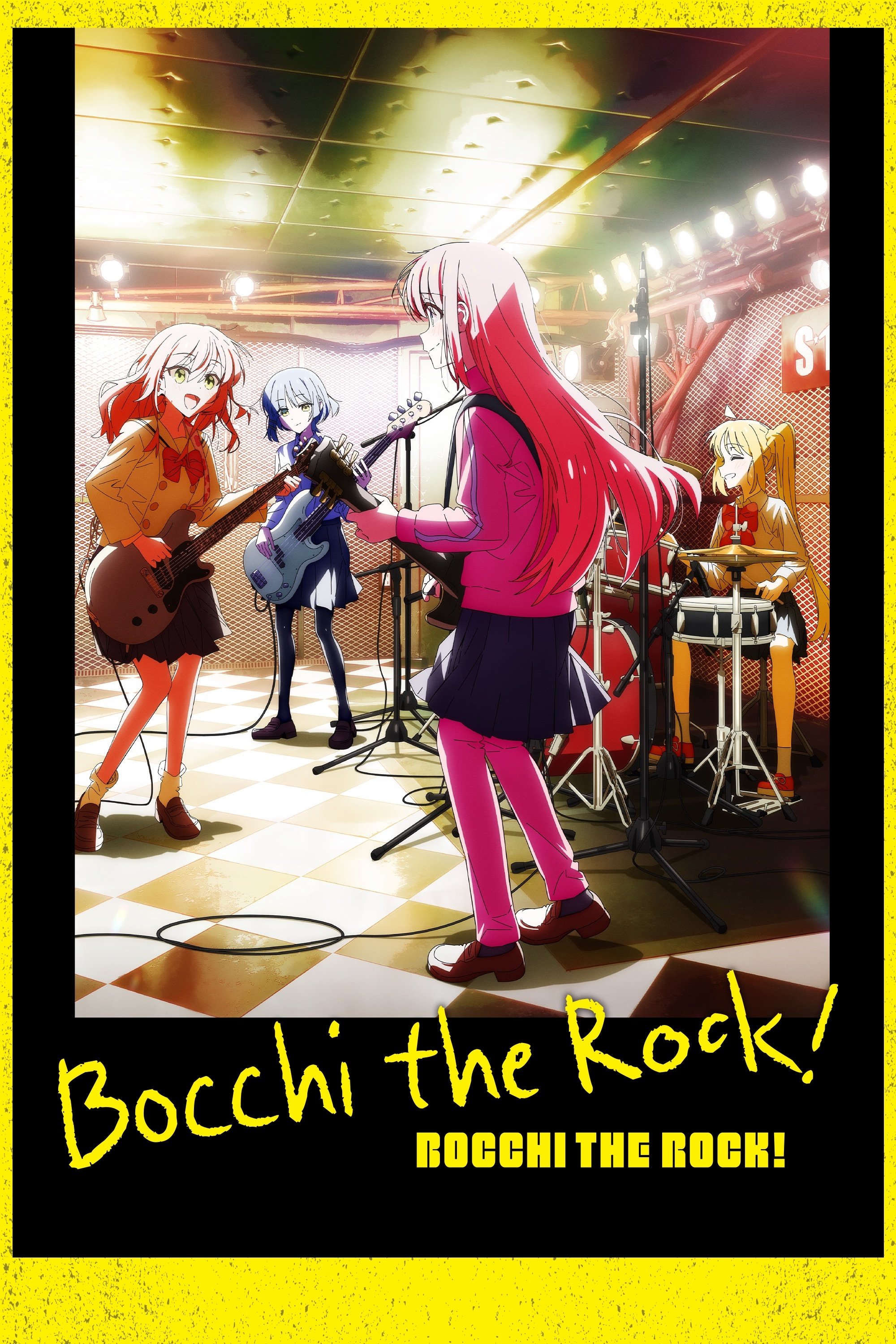
Girls Band Cry Season 1 centers on five original female characters—Nina Iseri, Momoka Kawaragi, Subaru Awa, Tomo Ebizuka, and Rupa—forming the rock band Togenashi Togeari in Kawasaki.
Nina drops out after bullying and family conflict, meets street musician Momoka, and they recruit others facing their own issues like Subaru's acting family pressure, Tomo's past trauma, and Rupa's experiences with microaggressions tied to her half-South Asian heritage. The 13-episode plot follows their rehearsals, first lives, ticket struggles, a battle of the bands against Diamond Dust, and internal clashes over authenticity versus commercialization, ending with them going indie while staying together.
The narrative emphasizes classic rock themes of rebellion, emotional catharsis through music, youthful defiance against adults and norms, and personal growth amid failure. Episodes highlight Nina blasting music in rebellion, Momoka projecting her past onto Nina, and the group navigating part-time jobs and family visits without any overarching systemic critique or identity-focused arcs. Rupa's background adds a realistic demographic note in the setting, as noted by staff reflecting Kawasaki's foreign resident population, but it serves character backstory rather than driving the premise.
Creator statements from writer Jukki Hanada stress grounded post-high-school musician realities over messaging. Audience reception praises the raw passion and underdog story with minimal controversy beyond isolated plot points; some Western viewers note affectionate subtext between Nina and Momoka but it remains peripheral to the band focus. No established character alterations, explicit advocacy, or ideological centrality appear, keeping progressive elements incidental at most.
Key Factors
- Original characters and premise focused on band formation, music as emotional release, and personal rebellions against family/school pressures
- Incidental realistic element with Rupa's mixed heritage and workplace microaggressions portrayed as background detail in a Japanese urban setting
- No central identity politics, gender/sexuality themes, or source-material changes; story aligns with traditional coming-of-age rock narratives
Methodology: Each score synthesizes audience discourse, critic and aggregator reception, and press coverage — weighed against the work itself, not any single source.
Pro BreakdownPro
Identity Politics & Racial Essentialism
Gender Ideology & LGBTQ+ Themes
DEI Casting & Representation Mandates
Preachiness & Message-First Agenda
Corporate & Creator Activism
See how this title scores across all 5 woke subcategories with detailed explanations.
Unlock with ProFrom $3/month · 3-day trial for $1
The Woke Report
A curated roundup of newly scored movies, shows, and games, with the context behind the scores. Free. Unsubscribe anytime.
Privacy policyDirected by
Is Girls Band Cry - Season 1 Woke?
We've run a full content analysis on Girls Band Cry - Season 1 and scored it 3/10 on the woke scale. Read our detailed breakdown above to see exactly what we found.
Frequently Asked Questions
What kind of woke content is in Girls Band Cry - Season 1?
Our analysis checks for themes like identity politics, race-swapping, gender ideology, environmental activism, anti-religious messaging, and other progressive agenda elements. The score breakdown above shows which specific categories were flagged and how heavily they factor into Girls Band Cry - Season 1's overall score.
Is Girls Band Cry - Season 1 family-friendly?
Wokeometer focuses on ideological content rather than traditional ratings (violence, language, etc.). Girls Band Cry - Season 1 is rated TV-14. For a full picture, combine our woke analysis with the age rating to decide if it's right for your family.
How does Wokeometer score tv shows?
We evaluate media across multiple ideological categories on a 0–10 scale. Scores of 0–3 mean story-first, 4–6 have moderate elements, and 7–10 flag heavily agenda-driven content. Learn more about our methodology →