
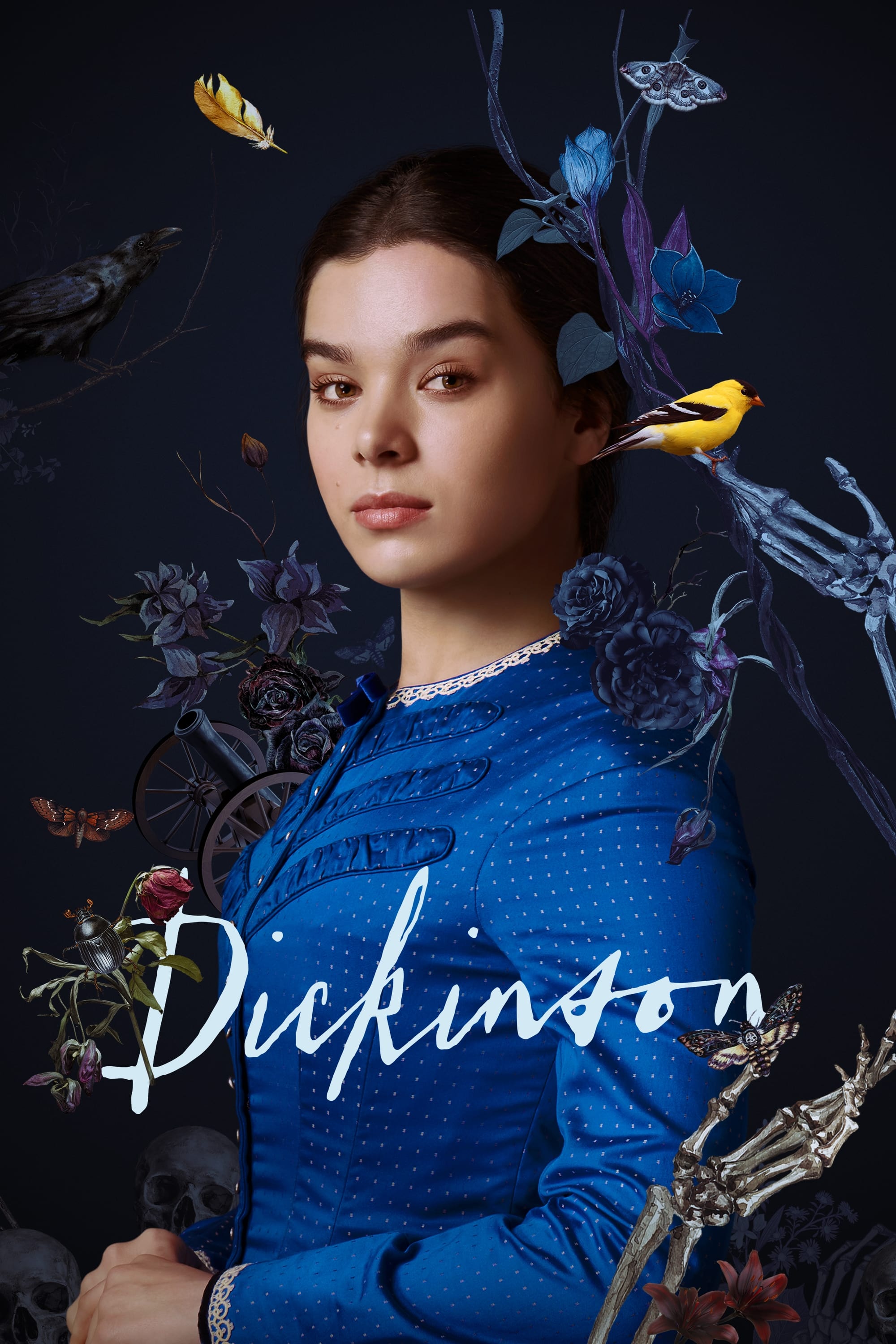
Dickinson S3: 8/10 woke—fictionalizes Emily Dickinson's life as queer romance propaganda, lectures on racial injustice via diverse casting and abolition arcs, and subverts history for feminist activism; avoid if seeking authentic storytelling.
Dickinson Season 3 embeds progressive ideology deeply into its core premise and emotional drivers, centering a fictionalized lesbian romance between Emily Dickinson and Sue Gilbert as the primary relational and character arc focus, with explicit emphasis on Emily 'owning her queerness' amid family and societal tensions.
This unapologetic LGBTQ+ representation, portrayed through intimate scenes and modern queer identity language in a 19th-century setting, fundamentally alters the historical figure's ambiguous personal life into a vehicle for contemporary identity politics, compromising the show's entertainment by prioritizing activist reclamation over authentic biographical storytelling. Diverse casting amplifies this, with prominent Black characters like Henry (a writer and soldier arming African American troops, highlighting poor treatment of Black soldiers) and Betty elevated to mains, alongside guest spots by Sojourner Truth, weaving systemic oppression and abolition narratives into subplots that lecture on racial injustice during the Civil War.
Family divides mirror modern political rifts, with themes of hope through art serving as a thin veil for critiques of traditional norms, patriarchy (e.g., Austin's non-traditional masculinity), and white privilege. Surreal elements like time travel confront 'myths' of Emily as a spinster, reinforcing gender fluidity and feminist empowerment. Creator Alena Smith openly frames the series as subversive, using Dickinson's era to explore sexuality, racism, and societal building 'honestly about the past,' turning a poet's legacy into progressive propaganda that alienates traditional audiences despite critical acclaim, evident in conservative backlash decrying damage to her legacy for a woke crowd.
Methodology: Each score synthesizes audience discourse, critic and aggregator reception, and press coverage — weighed against the work itself, not any single source.
See how this title scores across all 5 woke subcategories with detailed explanations.
Unlock with ProFrom $3/month · 3-day trial for $1
Every Friday: the week's most ideologically-loaded releases, scored — with the breakdown the headlines skip. Free, no spam, unsubscribe anytime.
We've run a full content analysis on Dickinson - Season 3 and scored it 8/10 on the woke scale. Read our detailed breakdown above to see exactly what we found.
Our analysis checks for themes like identity politics, race-swapping, gender ideology, environmental activism, anti-religious messaging, and other progressive agenda elements. The score breakdown above shows which specific categories were flagged and how heavily they factor into Dickinson - Season 3's overall score.
Wokeometer focuses on ideological content rather than traditional ratings (violence, language, etc.). Dickinson - Season 3 is rated TV-14. For a full picture, combine our woke analysis with the age ratingto decide if it's right for your family.
We evaluate media across multiple ideological categories on a 0–10 scale. Scores of 0–3 mean story-first, 4–6 have moderate elements, and 7–10 flag heavily agenda-driven content. Learn more about our methodology →
Similar titles you might enjoy

No reviews yet
Be the first to share what you thought of Dickinson - Season 3.