Wokeometer Rating
3Based
Scale: 0 = not woke, 10 = maximally woke
TL;DR Verdict
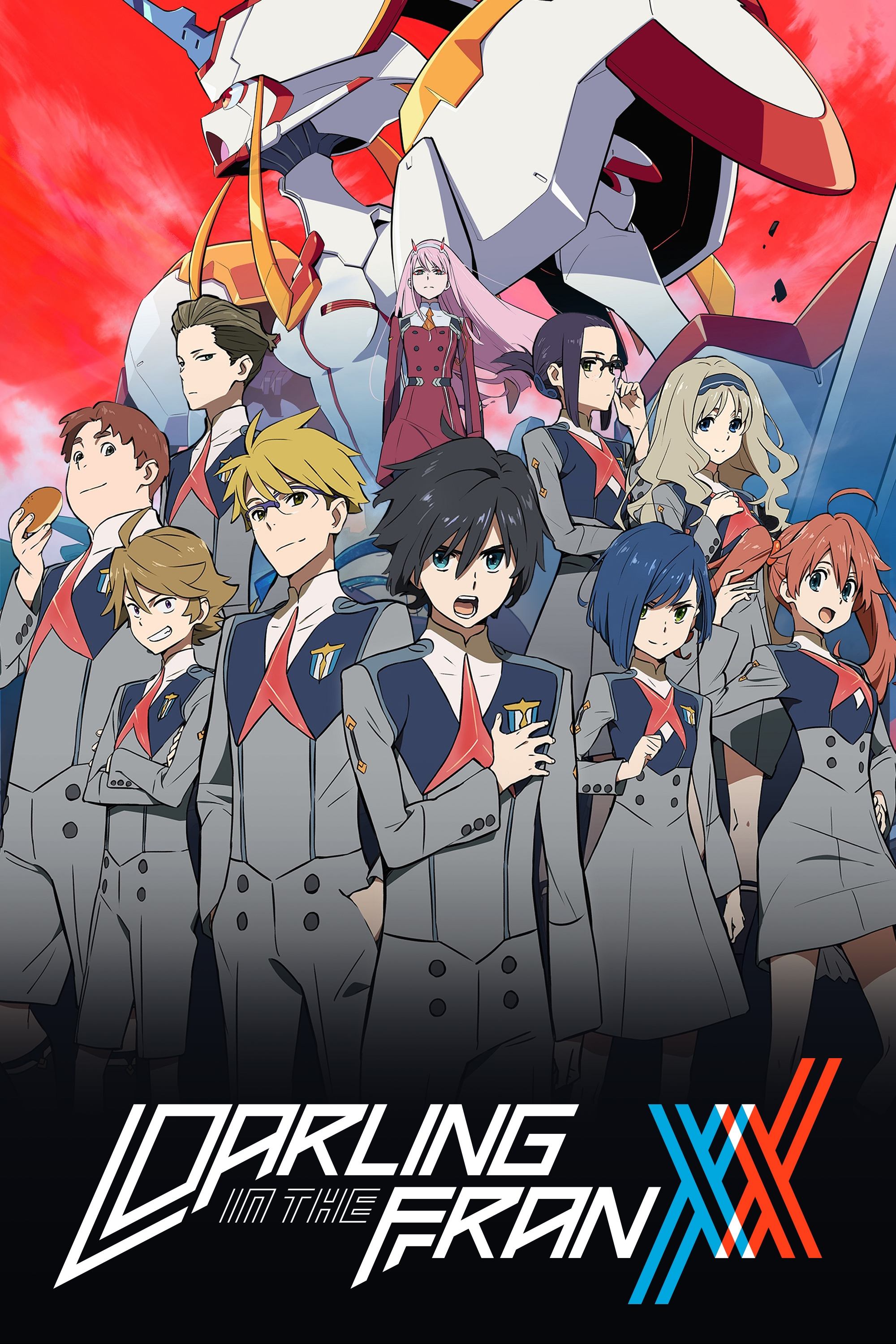
Darling in the Franxx earns its low 3/10 woke score by making heterosexual male-female partnerships the literal requirement for piloting mechs and ensuring humanity's survival, while framing the dystopian regime's suppression of gender and emotion as the core oppression. Same-sex attraction stays a brief secondary thread that never challenges the story's emphasis on binary roles, romance, and reproduction as acts of rebellion.
Paid creator placementsFeature your article or video on this page
Detailed Analysis
Darling in the Franxx centers on Squad 13's child pilots operating Franxx mechs that require a male stamen and female pistil pair, with the Hiro-Zero Two romance as the emotional core across episodes like "What It Means to Connect" and "DARLING in the FRANXX." The narrative explicitly ties successful piloting and humanity's survival to heterosexual connection and eventual reproduction, framing the dystopian APE society's erasure of gender differences and emotions as oppressive.
Episodes such as "Boys x Girls" and "Inhumanity" explore and affirm binary gender distinctions, with Kokoro and Mitsuru's arc celebrating forbidden heterosexual intimacy and childbirth as acts of rebellion.
Ikuno's subplot introduces same-sex attraction to Ichigo, with her struggling to synchronize in the required boy-girl system and later confessing her feelings in episode 18 before pairing with Naomi in the epilogue. Director Atsushi Nishigori stated the intent to depict varied pairings while underscoring gender's role in marriage and children. This representation remains a secondary character thread rather than a narrative driver or challenge to the premise.
The series prioritizes traditional mecha action, partnership romance, and critiques of authoritarian suppression of biological norms over identity politics or systemic oppression narratives. Audience and critical discourse focused more on shipping controversies and perceived gender essentialism than on progressive messaging, with the core appeal rooted in conventional storytelling tropes.
Key Factors
- Core premise requires and celebrates male-female piloting pairs tied to reproduction
- Ikuno's lesbian subplot as incidental representation without narrative centrality
- Creator emphasis on gender's meaning for family and children
- Traditional romance and anti-dystopian themes affirming binary norms
Methodology: Each score synthesizes audience discourse, critic and aggregator reception, and press coverage — weighed against the work itself, not any single source.
Pro BreakdownPro
Identity Politics & Racial Essentialism
Gender Ideology & LGBTQ+ Themes
DEI Casting & Representation Mandates
Preachiness & Message-First Agenda
Corporate & Creator Activism
See how this title scores across all 5 woke subcategories with detailed explanations.
Unlock with ProFrom $3/month · 3-day trial for $1
The Woke Report
A curated roundup of newly scored movies, shows, and games, with the context behind the scores. Free. Unsubscribe anytime.
Privacy policyDirected by
Is DARLING in the FRANXX - Season 1 Woke?
We've run a full content analysis on DARLING in the FRANXX - Season 1 and scored it 3/10 on the woke scale. Read our detailed breakdown above to see exactly what we found.
Frequently Asked Questions
What kind of woke content is in DARLING in the FRANXX - Season 1?
Our analysis checks for themes like identity politics, race-swapping, gender ideology, environmental activism, anti-religious messaging, and other progressive agenda elements. The score breakdown above shows which specific categories were flagged and how heavily they factor into DARLING in the FRANXX - Season 1's overall score.
Is DARLING in the FRANXX - Season 1 family-friendly?
Wokeometer focuses on ideological content rather than traditional ratings (violence, language, etc.). DARLING in the FRANXX - Season 1 is rated TV-14. For a full picture, combine our woke analysis with the age rating to decide if it's right for your family.
How does Wokeometer score tv shows?
We evaluate media across multiple ideological categories on a 0–10 scale. Scores of 0–3 mean story-first, 4–6 have moderate elements, and 7–10 flag heavily agenda-driven content. Learn more about our methodology →