Wokeometer Rating
7Woke
Scale: 0 = not woke, 10 = maximally woke
TL;DR Verdict
Danger Force Season 1 earns a 7/10 woke score by injecting progressive social messaging into its kids' superhero format, turning episodic plots into vehicles for ideological affirmation rather than entertainment. Families should skip it.
Paid creator placementsFeature your article or video on this page
Detailed Analysis
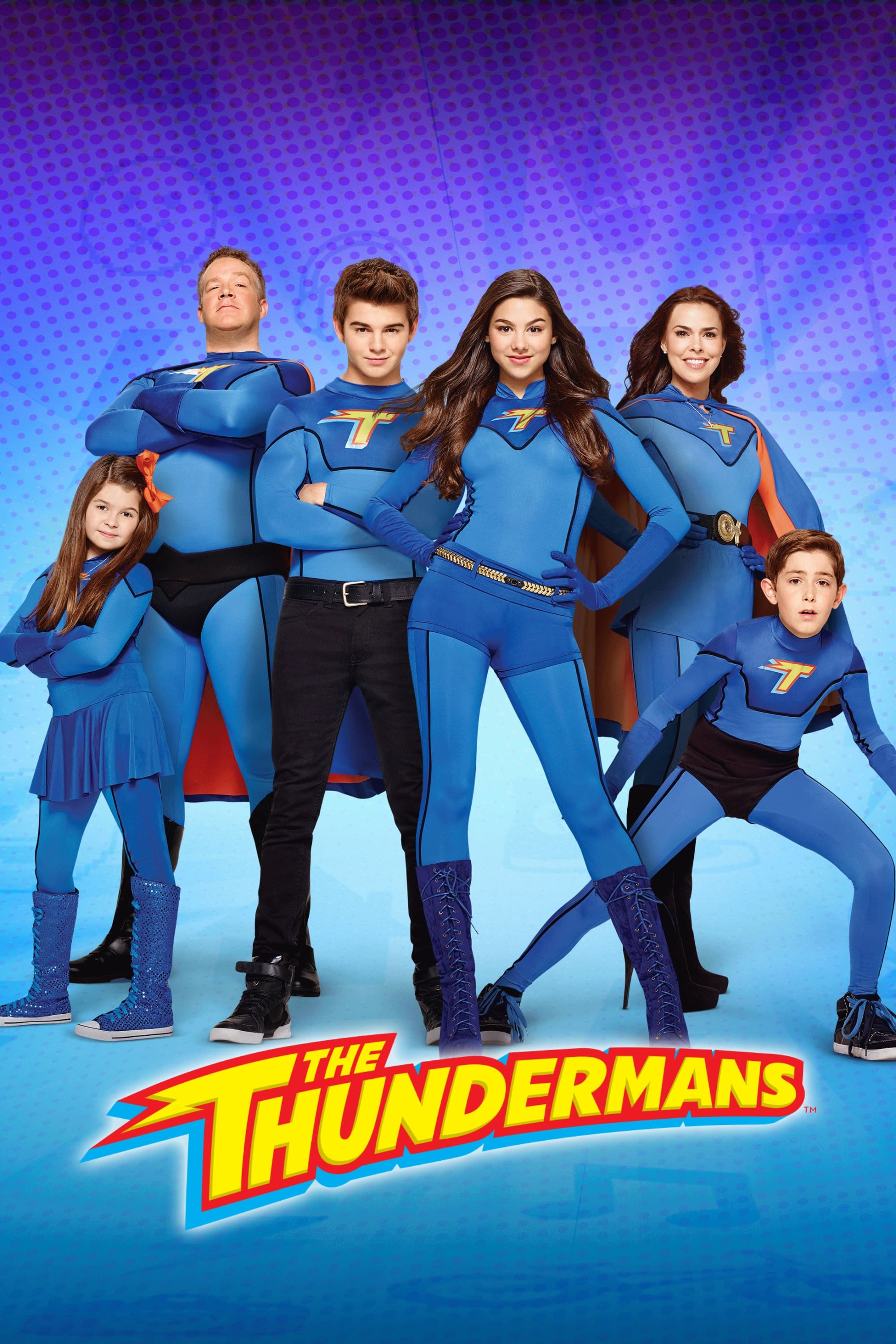
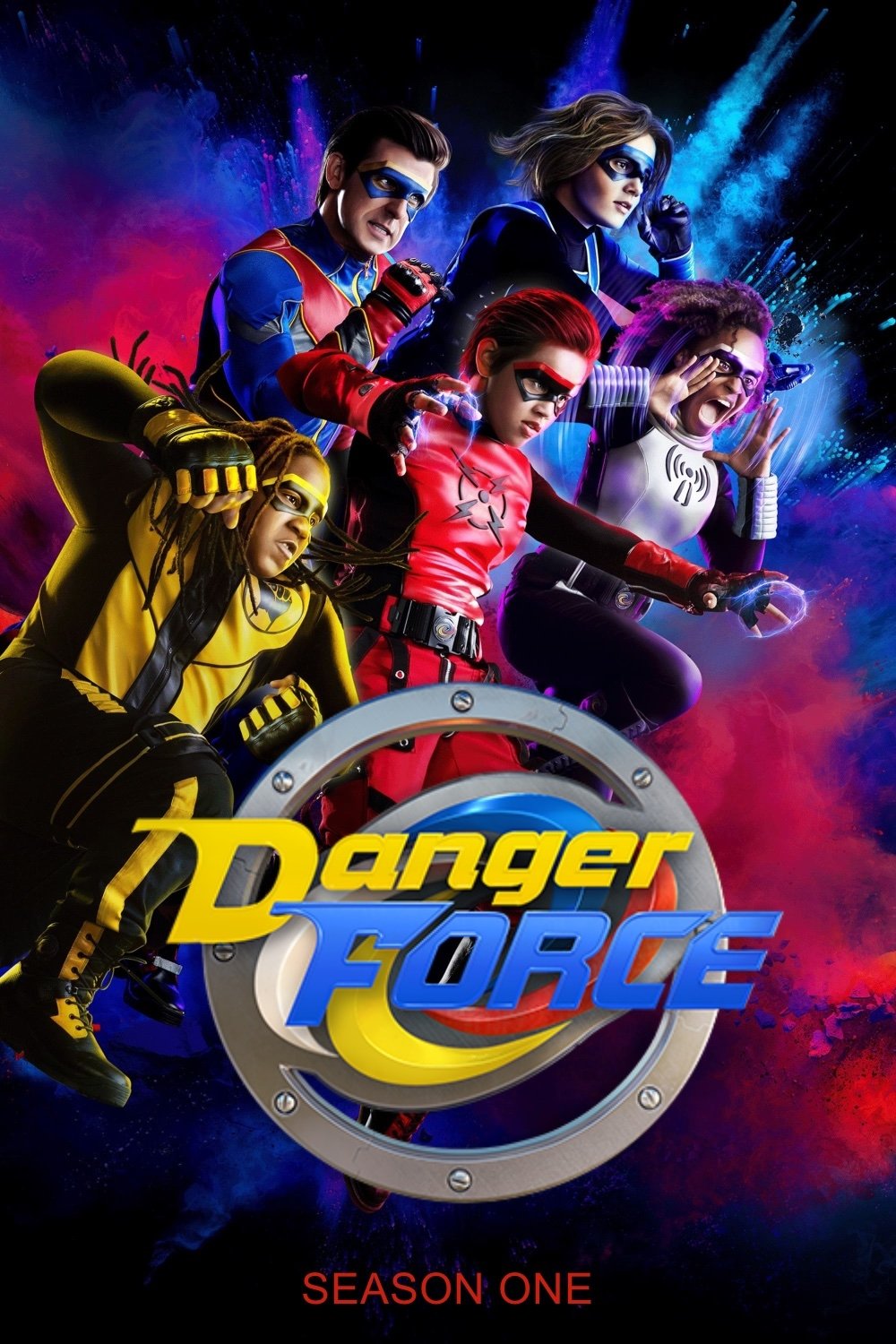
Danger Force Season 1 centers on original young superheroes training under Captain Man in a standard Nickelodeon comedy format with episodic plots about missions, pranks, crushes, and holidays.
However, progressive elements appear prominently through explicit LGBTQ+ normalization aimed at children. Episode 2 'Say My Name' features Danger Force reuniting a child with his two gay adoptive fathers; Captain Man questions the lack of a mother before accepting the family structure, modeling affirmation. Episode 22 'Manlee Men' includes a trans teen character whose gender identity is explained and accepted on-screen, with the role played by an openly trans actor.
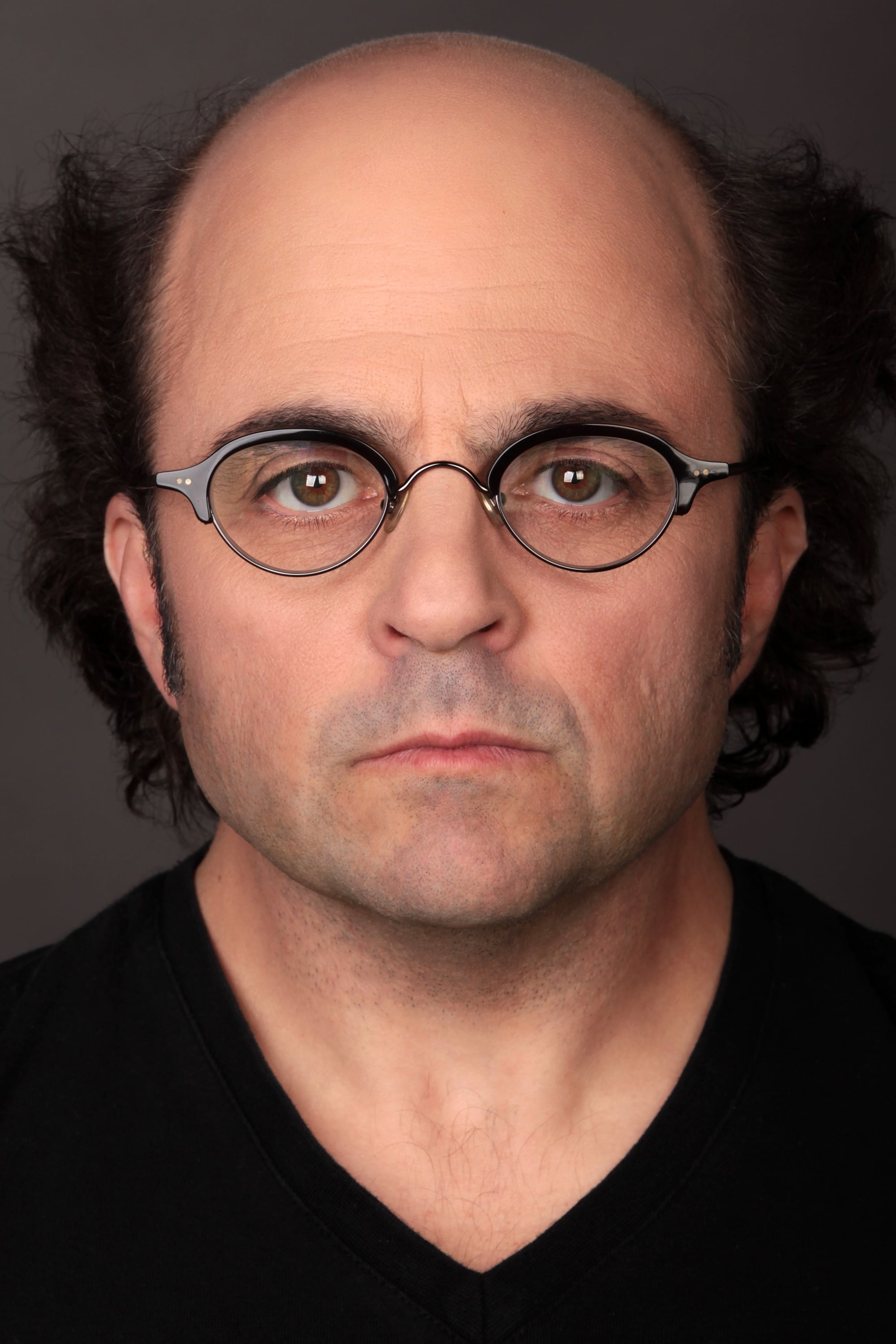
Series regular Schwoz is portrayed by Michael D. Cohen, who publicly transitioned. Nickelodeon executives emphasized 'authentically represent[ing] them in their full diversity' as network intent.
These subplots are not the show's core premise but recur as affirmative modeling in a TV-Y7 kids' series, elevating their weight under heightened scrutiny for impressionable audiences. Casting of new diverse original characters (e.g., Chapa, Miles) remains incidental and does not factor in. Reception includes parent criticism over the representations and calls for transparency, alongside praise from advocacy outlets for the visibility. The integration prioritizes ideological messaging over pure entertainment in multiple episodes.
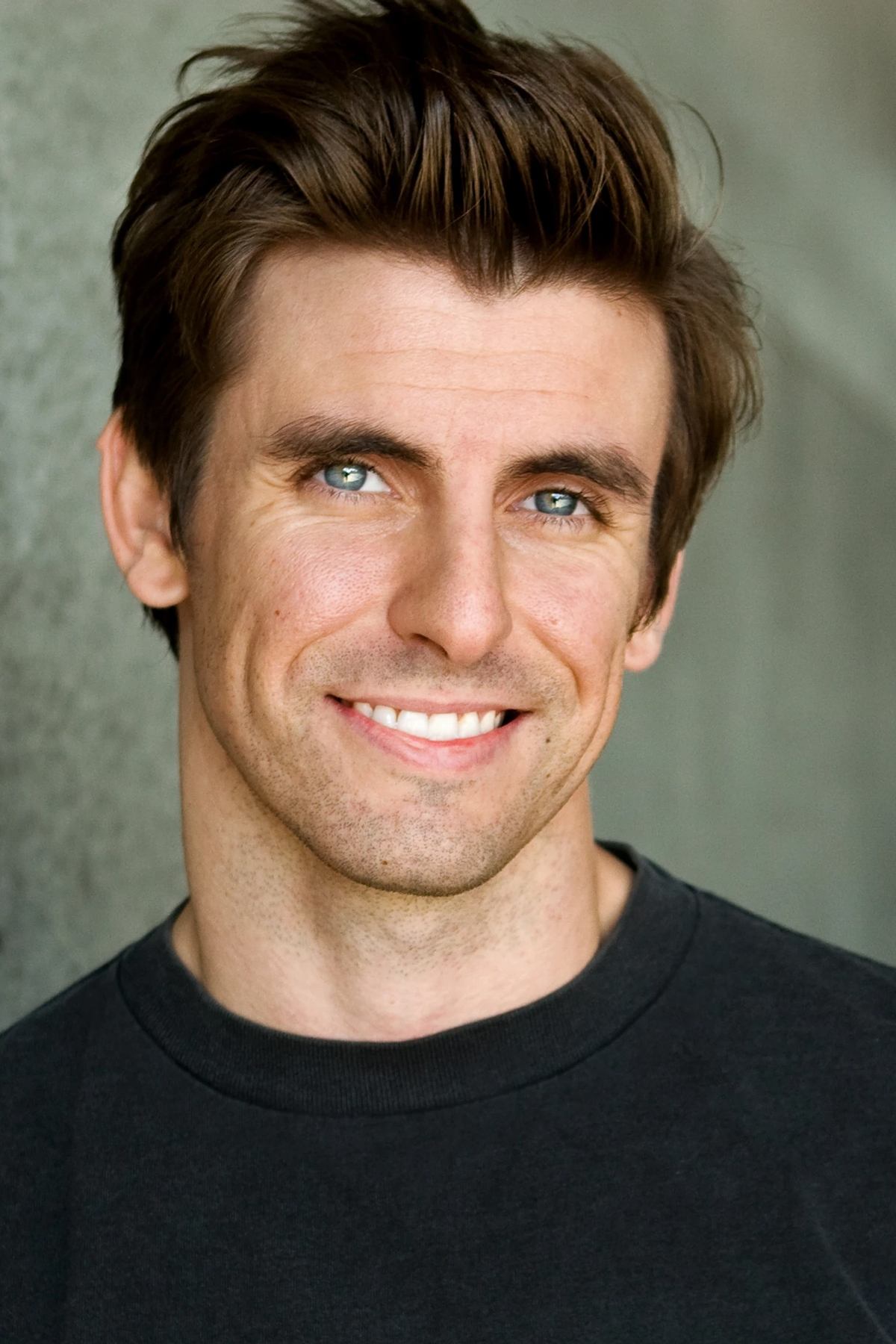
Casting evidence: Casting research is incomplete or contains unresolved comparisons; overall casting fidelity has not been established. Documented credits include Cooper Barnes as Ray / Captain Man; Michael D. Cohen as Schwoz. The casting comparison for Cooper Barnes as Ray / Captain Man remains unresolved. The casting comparison for Michael D. Cohen as Schwoz remains unresolved.
Key Factors
- Explicit same-sex parents and adoption acceptance in Ep2 'Say My Name'
- On-screen transgender character and identity discussion in Ep22 'Manlee Men'
- Nickelodeon creator/network statements prioritizing diversity representation in children's programming
- Recurring LGBTQ+ normalization in a show targeted at young viewers
Methodology: Each score synthesizes audience discourse, critic and aggregator reception, and press coverage — weighed against the work itself, not any single source.
Pro BreakdownPro
Free Preview1 of 5 categories unlocked
Corporate & Creator Activism6
Nickelodeon executives highlighted intent to 'authentically represent' full diversity as network policy, influencing the series' approach to representation.
Identity Politics & Racial Essentialism
Gender Ideology & LGBTQ+ Themes
DEI Casting & Representation Mandates
Preachiness & Message-First Agenda
Unlock the other 4 categories — including Identity Politics and Gender Ideology — with detailed explanations.
Unlock with ProFrom $3/month · 3-day trial for $1
The Woke Report
A curated roundup of newly scored movies, shows, and games, with the context behind the scores. Free. Unsubscribe anytime.
Privacy policyDirected by
3 more directors
Is Danger Force - Season 1 Woke?
We've run a full content analysis on Danger Force - Season 1 and scored it 7/10 on the woke scale. Read our detailed breakdown above to see exactly what we found.
Frequently Asked Questions
What kind of woke content is in Danger Force - Season 1?
Our analysis checks for themes like identity politics, race-swapping, gender ideology, environmental activism, anti-religious messaging, and other progressive agenda elements. The score breakdown above shows which specific categories were flagged and how heavily they factor into Danger Force - Season 1's overall score.
Is Danger Force - Season 1 family-friendly?
Wokeometer focuses on ideological content rather than traditional ratings (violence, language, etc.). Danger Force - Season 1 is rated TV-Y7. For a full picture, combine our woke analysis with the age rating to decide if it's right for your family.
How does Wokeometer score tv shows?
We evaluate media across multiple ideological categories on a 0–10 scale. Scores of 0–3 mean story-first, 4–6 have moderate elements, and 7–10 flag heavily agenda-driven content. Learn more about our methodology →