Wokeometer Rating
3Based
Scale: 0 = not woke, 10 = maximally woke
TL;DR Verdict
Blade Runner 2099 Season 1 keeps its 3/10 woke score by sticking to classic franchise themes of humanity, empathy, and cycles of oppression through Cora and Olwen's alliance against rogue replicants. The series avoids modern activist framing, identity lectures, or gender-focused subplots in favor of noir detective storytelling and philosophical fallout.
Paid creator placementsFeature your article or video on this page
Detailed Analysis
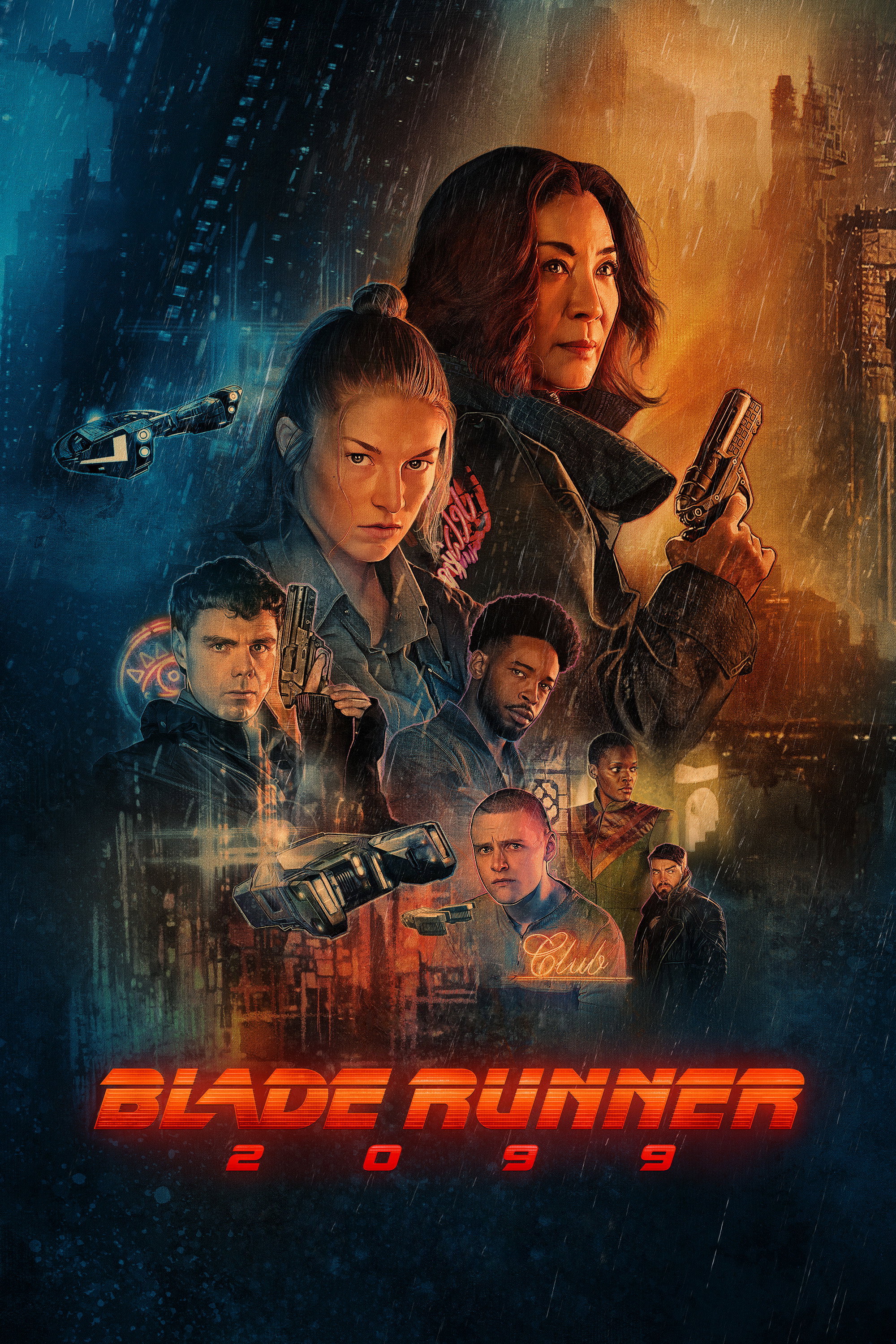
Blade Runner 2099 Season 1 centers on new original characters Cora, a human fugitive posing as a replicant Blade Runner to protect her brother Elias, and Olwen, a dying replicant Blade Runner, as they partner to hunt rogue replicants in a post-uprising Los Angeles where replicants hold power and humans are second-class.
The eight-episode limited series explores classic franchise questions of humanity, empathy, mortality, and cycles of oppression through their uneasy alliance, undercover secrets, and confrontations with pasts, without introducing modern activist framing or identity-based conflicts as the premise.
Casting features Michelle Yeoh as Olwen and Hunter Schafer as Cora in lead roles that are entirely new to the canon, preserving the source material's replicant-human dynamics while flipping societal power for narrative tension. No established characters from the films receive race, gender, or sexuality alterations. Schafer's performance as the human Cora drives action and partnership beats across episodes like "Hades" and "Memory, Hither Come," but the story treats her as a capable female protagonist in survival mode, with no on-screen gender identity elements or normalization highlighted in plot details or creator statements.
Themes remain rooted in existential sci-fi traditions—regaining empathy after trauma, the cost of power reversals, and what separates humans from their creations—echoing Roy Batty's arc and Mercerism without lectures on systemic identity issues or critiques of traditional norms beyond the dystopian setting. Showrunner Silka Luisa emphasizes philosophical aftermath and relationship-building in interviews, aligning with the franchise's noir detective structure rather than contemporary social justice priorities. Reception praises the visuals, Yeoh-Schafer chemistry, and faithful expansion, with limited backlash tied more to casting visibility than content-driven ideology.
Key Factors
- New original characters with no established role changes
- Core themes of humanity/empathy/power cycles traditional to Blade Runner franchise
- Incidental diverse casting without narrative emphasis on identity politics or LGBTQ+ elements
- Creator focus on existential questions and franchise lore, not activist messaging
Methodology: Each score synthesizes audience discourse, critic and aggregator reception, and press coverage — weighed against the work itself, not any single source.
Pro BreakdownPro
Identity Politics & Racial Essentialism
Gender Ideology & LGBTQ+ Themes
DEI Casting & Representation Mandates
Preachiness & Message-First Agenda
Corporate & Creator Activism
See how this title scores across all 5 woke subcategories with detailed explanations.
Unlock with ProFrom $3/month · 3-day trial for $1
The Woke Report
A curated roundup of newly scored movies, shows, and games, with the context behind the scores. Free. Unsubscribe anytime.
Privacy policyDirected by
1 more director
Is Blade Runner 2099 - Season 1 Woke?
We've run a full content analysis on Blade Runner 2099 - Season 1 and scored it 3/10 on the woke scale. Read our detailed breakdown above to see exactly what we found.
Frequently Asked Questions
What kind of woke content is in Blade Runner 2099 - Season 1?
Our analysis checks for themes like identity politics, race-swapping, gender ideology, environmental activism, anti-religious messaging, and other progressive agenda elements. The score breakdown above shows which specific categories were flagged and how heavily they factor into Blade Runner 2099 - Season 1's overall score.
Is Blade Runner 2099 - Season 1 family-friendly?
Wokeometer focuses on ideological content rather than traditional ratings (violence, language, etc.). Blade Runner 2099 - Season 1 is rated TV-14. For a full picture, combine our woke analysis with the age rating to decide if it's right for your family.
How does Wokeometer score tv shows?
We evaluate media across multiple ideological categories on a 0–10 scale. Scores of 0–3 mean story-first, 4–6 have moderate elements, and 7–10 flag heavily agenda-driven content. Learn more about our methodology →