Wokeometer Rating
3Based
Scale: 0 = not woke, 10 = maximally woke
TL;DR Verdict
Beverly Hills, 90210 Season 3 sticks to classic teen drama with relationship turmoil, personal crises, and light social subplots that never veer into identity politics or systemic messaging. This keeps the season neutral entertainment at a low 3/10 woke score.
Paid creator placementsFeature your article or video on this page
Detailed Analysis
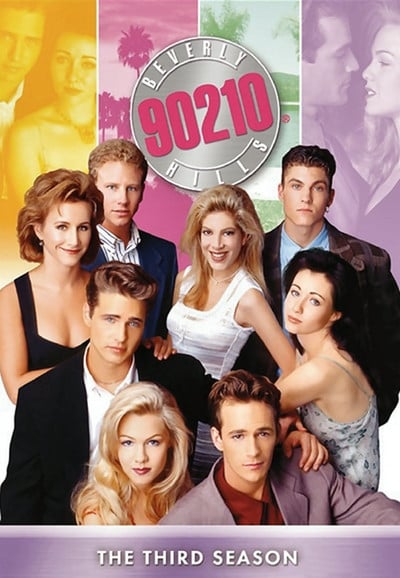
Beverly Hills, 90210 Season 3 centers on standard teen drama plots including Brenda and Dylan's relationship turmoil, Kelly's eating disorder struggles in episodes like "Perfectly Perfect" and "Senior Poll," and Brandon's gambling issues in "Duke's Bad Boy." Social topics such as racism appear in "Home and Away" where the school forfeits a football game after rival school shootings and Brandon collaborates on editorials, while sexual harassment allegations against teacher Gil Meyers drive "A Presumption of Innocence." These elements remain subplot-level explorations of 1990s-era issues without identity politics framing or systemic oppression narratives as the core premise.
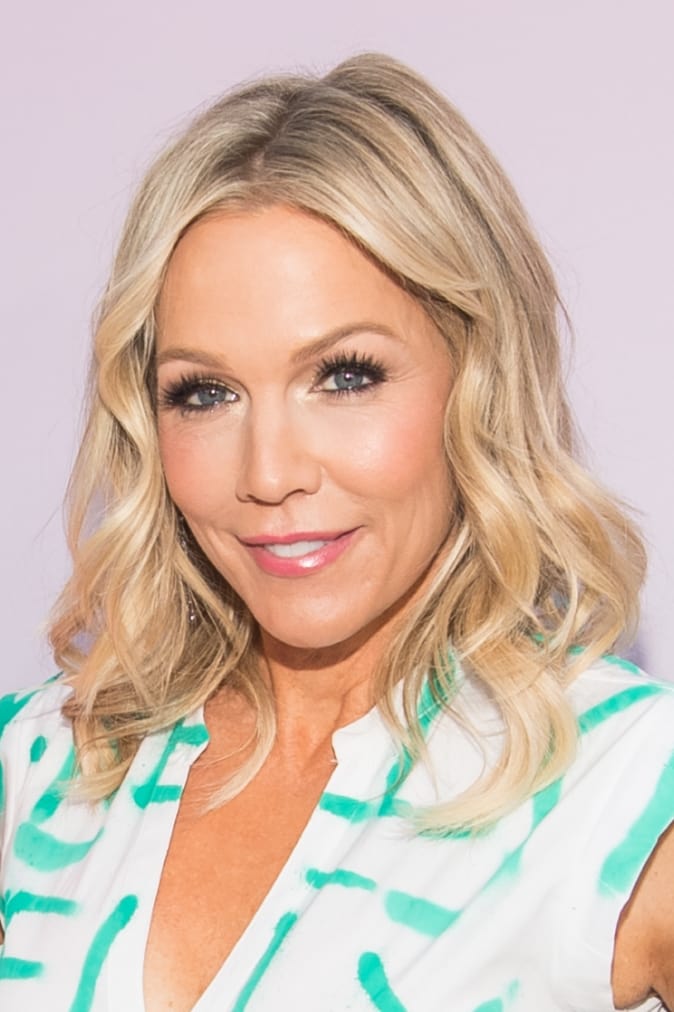
No established characters undergo race, gender, or sexuality alterations; the credited cast including Jennie Garth as Kelly Taylor and Ian Ziering as Steve Sanders aligns directly with the show's original 1990 creation. Episode synopses contain zero references to LGBTQ+ representation, gender fluidity, or DEI-style casting mandates. The season's 30 episodes prioritize relationship drama, college decisions, and personal crises over activist messaging.
Creator intent and reception reflect typical 1990s network television addressing contemporary teen concerns like drug abuse and infidelity through character-driven stories rather than ideological lectures. High viewership of 18.3 million weekly indicates broad entertainment appeal without the audience polarization associated with later message-driven content. The overall approach stays incidental and narrative-traditional, placing the season firmly in the lower range of progressive influence.
Casting evidence: Casting research is incomplete or contains unresolved comparisons; overall casting fidelity has not been established. The casting comparison for Jennie Garth as Kelly Taylor remains unresolved. The casting comparison for Ian Ziering as Steve Sanders remains unresolved.
Key Factors
- Incidental handling of racism and sexual harassment in specific episodes without foundational premise status
- No established character race/gender/sexuality changes or modern identity representation
- Traditional 1990s teen drama focus on relationships, self-image, and personal choices
Methodology: Each score synthesizes audience discourse, critic and aggregator reception, and press coverage — weighed against the work itself, not any single source.
Pro BreakdownPro
Identity Politics & Racial Essentialism
Gender Ideology & LGBTQ+ Themes
DEI Casting & Representation Mandates
Preachiness & Message-First Agenda
Corporate & Creator Activism
See how this title scores across all 5 woke subcategories with detailed explanations.
Unlock with ProFrom $3/month · 3-day trial for $1
The Woke Report
A curated roundup of newly scored movies, shows, and games, with the context behind the scores. Free. Unsubscribe anytime.
Privacy policyDirected by
Is Beverly Hills, 90210 - Season 3 Woke?
We've run a full content analysis on Beverly Hills, 90210 - Season 3 and scored it 3/10 on the woke scale. Read our detailed breakdown above to see exactly what we found.
Frequently Asked Questions
What kind of woke content is in Beverly Hills, 90210 - Season 3?
Our analysis checks for themes like identity politics, race-swapping, gender ideology, environmental activism, anti-religious messaging, and other progressive agenda elements. The score breakdown above shows which specific categories were flagged and how heavily they factor into Beverly Hills, 90210 - Season 3's overall score.
Is Beverly Hills, 90210 - Season 3 family-friendly?
Wokeometer focuses on ideological content rather than traditional ratings (violence, language, etc.). Beverly Hills, 90210 - Season 3 is rated TV-14. For a full picture, combine our woke analysis with the age rating to decide if it's right for your family.
How does Wokeometer score tv shows?
We evaluate media across multiple ideological categories on a 0–10 scale. Scores of 0–3 mean story-first, 4–6 have moderate elements, and 7–10 flag heavily agenda-driven content. Learn more about our methodology →