← Back to Around the World in 80 Days
Around the World in 80 Days - Season 1
tv
TV-14
Season 1
December 5, 2021
Wokeometer Rating
8Woke
Scale: 0 = not woke, 10 = maximally woke
TL;DR Verdict
This adaptation swaps established roles like Passepartout and Detective Fix for new identity-focused arcs that critique British imperialism and push modern sexual politics instead of straight adventure. Skip it if you want to avoid the heavy-handed woke messaging that earns an 8/10.
Paid creator placementsFeature your article or video on this page
Detailed Analysis
The 2021 BBC/French co-production adapts Jules Verne's novel with deliberate departures centered on identity.
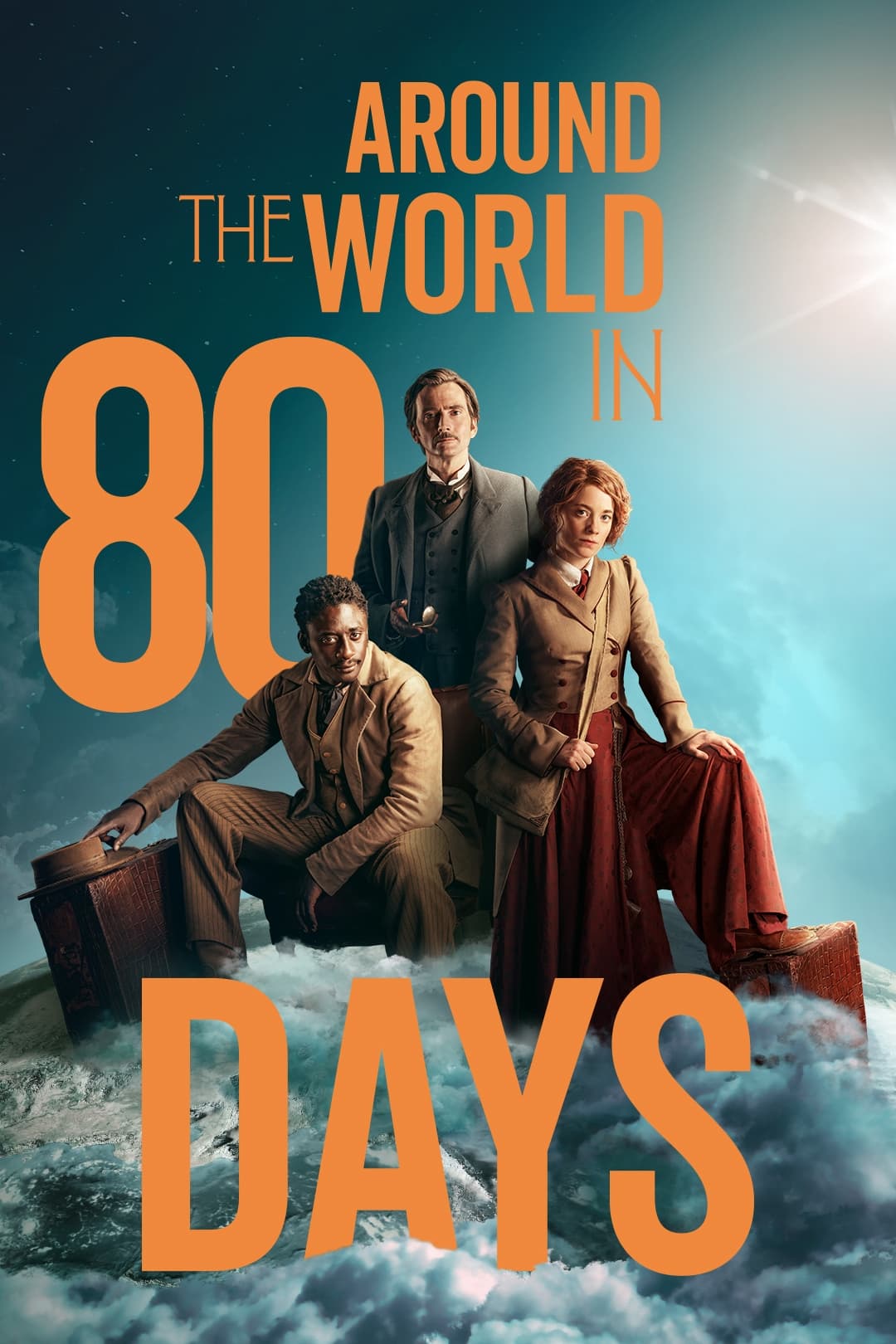
Passepartout is recast as Black actor Ibrahim Koma, and the male Detective Fix becomes Abigail Fix Fortescue, a female journalist explicitly framed as exploring feminist agency and sexual politics. These are not new original characters but alterations to established roles, with producers and star David Tennant stating the intent to avoid "three white middle-aged men" and to examine "racial and sexual politics of the time" plus the "alarming" British Empire through a 21st-century lens.
Episodes incorporate these elements into the core journey: Abigail's articles and self-belief arcs, Passepartout's outsider status amid colonial settings, and plot points like an Indian wedding avoiding stereotypes or a U.S. marshal subplot involving a KKK prisoner. Tennant described Fogg as representing "everything that’s alarming and peculiar about that old sense of British Empire," shifting the premise from pure adventure to critique of traditional norms and imperialism.
Audience reception shows clear backlash, with viewers labeling it "woke nonsense" and "socially conscious" for the casting and thematic updates, creating a critic-audience gap. The changes are prominent, intentional, and foundational to the updated appeal, elevating the score despite the adventure framework remaining intact.
Casting evidence: Casting research is incomplete or contains unresolved comparisons; overall casting fidelity has not been established. Documented credits include Ibrahim Koma as Passepartout (Jean Passepartout); Leonie Benesch as Abigail 'Fix' Fortescue; David Tennant as Phileas Fogg. Reported casting findings: Ibrahim Koma as Passepartout (Jean Passepartout): Race change from established white character Leonie Benesch as Abigail 'Fix' Fortescue: Gender swap and character rewrite from male detective to female journalist The casting comparison for David Tennant as Phileas Fogg remains unresolved.
Key Factors
- Confirmed race-swap of established Passepartout character to Black actor
- Confirmed gender-swap and expansion of Detective Fix into feminist journalist Abigail Fix
- Creator and star statements emphasizing diversity mandates and critiques of empire/racial/sexual politics as deliberate updates
- Narrative integration of identity themes as recurring drivers alongside the wager plot
- Significant audience backlash citing prioritization of modern messaging over source fidelity
Methodology: Each score synthesizes audience discourse, critic and aggregator reception, and press coverage — weighed against the work itself, not any single source.
Pro BreakdownPro
Identity Politics & Racial Essentialism
Gender Ideology & LGBTQ+ Themes
DEI Casting & Representation Mandates
Preachiness & Message-First Agenda
Corporate & Creator Activism
See how this title scores across all 5 woke subcategories with detailed explanations.
Unlock with ProFrom $3/month · 3-day trial for $1
The Woke Report
A curated roundup of newly scored movies, shows, and games, with the context behind the scores. Free. Unsubscribe anytime.
Privacy policyDirected by
Is Around the World in 80 Days - Season 1 Woke?
We've run a full content analysis on Around the World in 80 Days - Season 1 and scored it 8/10 on the woke scale. Read our detailed breakdown above to see exactly what we found.
Frequently Asked Questions
What kind of woke content is in Around the World in 80 Days - Season 1?
Our analysis checks for themes like identity politics, race-swapping, gender ideology, environmental activism, anti-religious messaging, and other progressive agenda elements. The score breakdown above shows which specific categories were flagged and how heavily they factor into Around the World in 80 Days - Season 1's overall score.
Is Around the World in 80 Days - Season 1 family-friendly?
Wokeometer focuses on ideological content rather than traditional ratings (violence, language, etc.). Around the World in 80 Days - Season 1 is rated TV-14. For a full picture, combine our woke analysis with the age rating to decide if it's right for your family.
How does Wokeometer score tv shows?
We evaluate media across multiple ideological categories on a 0–10 scale. Scores of 0–3 mean story-first, 4–6 have moderate elements, and 7–10 flag heavily agenda-driven content. Learn more about our methodology →