Wokeometer Rating
1Based
Scale: 0 = not woke, 10 = maximally woke
TL;DR Verdict
100 Days of Deception scores a low 1/10 on wokeness because it treats the 1932 independence movement as pure historical backdrop for a traditional spy romance centered on personal survival, deception, and undercover missions rather than injecting patriarchy critiques or contemporary identity politics.
Paid creator placementsFeature your article or video on this page
Detailed Analysis
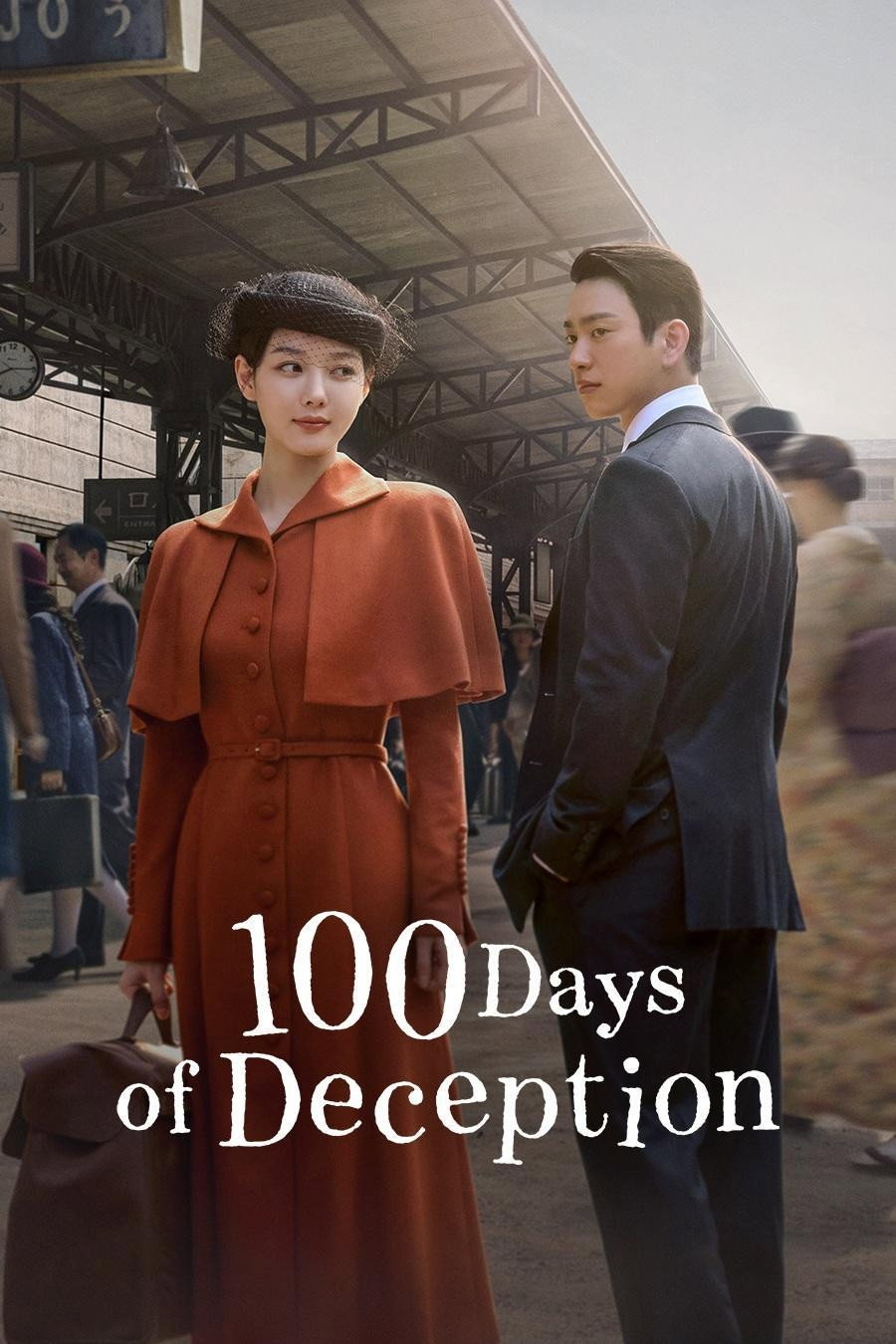
100 Days of Deception is a traditional historical spy romance set in 1932 colonial Gyeongseong.
The premise follows pickpocket Lee Ga-kyung, who takes a 100-day undercover interpreter job for the Gugukdan independence group purely to fund her escape to America, not out of patriotic fervor. Her entanglement with Kim Tae-ung, an ethnic Korean interpreter raised as the adopted son of Japanese official Sato Shinichi, drives the central romance and identity conflicts amid espionage and resistance plots.
Episode synopses and reviews highlight classic elements: undercover missions, interrogations, family secrets, and budding romance between Ga-kyung and Tae-ung, with the independence movement as historical backdrop rather than modern ideological framing. Characters like sniper Yoo So-ran and correspondent Philip Yoo support the resistance in straightforward narrative terms, without critiques of patriarchy, systemic identity issues, or contemporary social justice overlays.
Casting features Korean actors in period-appropriate roles with no race, gender, or sexuality swaps of established characters. Reception focuses on ratings success, chemistry, and historical atmosphere, with minor debate over a collaborator character's nuance but no audience or critic framing around progressive messaging. The story remains grounded in personal survival, deception, and anti-colonial resistance as traditional drama tropes.
Key Factors
- Historical anti-colonial resistance and espionage as core premise
- Personal survival and romance driving character arcs over ideology
- Standard period casting with no identity-based changes or modern themes
Methodology: Each score synthesizes audience discourse, critic and aggregator reception, and press coverage — weighed against the work itself, not any single source.
Pro BreakdownPro
Identity Politics & Racial Essentialism
Gender Ideology & LGBTQ+ Themes
DEI Casting & Representation Mandates
Preachiness & Message-First Agenda
Corporate & Creator Activism
See how this title scores across all 5 woke subcategories with detailed explanations.
Unlock with ProFrom $3/month · 3-day trial for $1
The Woke Report
A curated roundup of newly scored movies, shows, and games, with the context behind the scores. Free. Unsubscribe anytime.
Privacy policyDirected by
Is 100 Days of Deception - Season 1 Woke?
We've run a full content analysis on 100 Days of Deception - Season 1 and scored it 1/10 on the woke scale. Read our detailed breakdown above to see exactly what we found.
Frequently Asked Questions
What kind of woke content is in 100 Days of Deception - Season 1?
Our analysis checks for themes like identity politics, race-swapping, gender ideology, environmental activism, anti-religious messaging, and other progressive agenda elements. The score breakdown above shows which specific categories were flagged and how heavily they factor into 100 Days of Deception - Season 1's overall score.
Is 100 Days of Deception - Season 1 family-friendly?
Wokeometer focuses on ideological content rather than traditional ratings (violence, language, etc.). 100 Days of Deception - Season 1 is rated TV-14. For a full picture, combine our woke analysis with the age rating to decide if it's right for your family.
How does Wokeometer score tv shows?
We evaluate media across multiple ideological categories on a 0–10 scale. Scores of 0–3 mean story-first, 4–6 have moderate elements, and 7–10 flag heavily agenda-driven content. Learn more about our methodology →