Network / Platform

Available on:
+2
2Based
Analysis Score2/10
Agree?
TL;DR Verdict
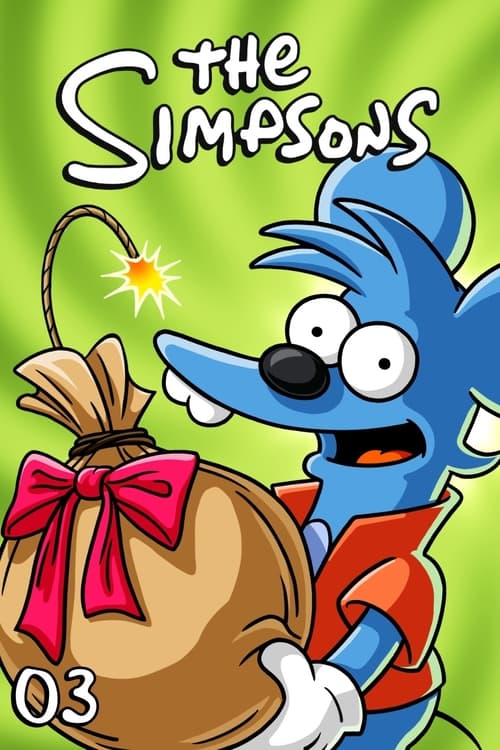
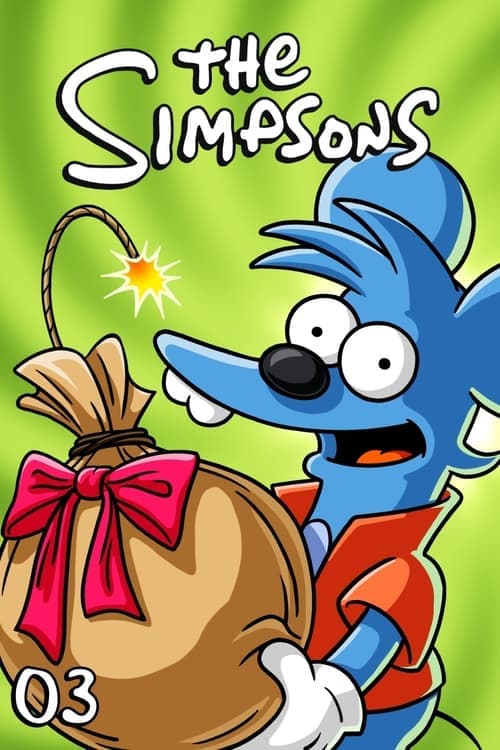
Simpsons S3: Zero wokeness—pure golden-era satire on family, greed, and absurdity, sans DEI, identity politics, or progressive lectures.
Detailed Analysis
Top Cast
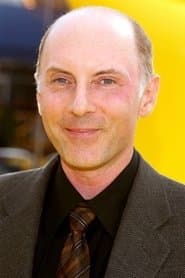
2.8
Dan Castellaneta
Homer Simpson / Abe Simpson / Barney Gumble / Krusty (voice)
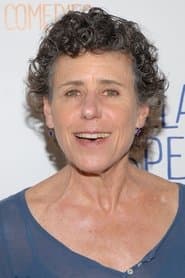
2.8
Julie Kavner
Marge Simpson / Patty Bouvier / Selma Bouvier (voice)
N
2.8
Nancy Cartwright
Bart Simpson / Nelson Muntz / Ralph Wiggum (voice)
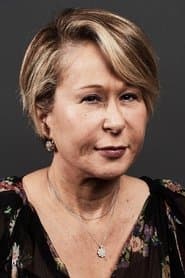
2.8
Yeardley Smith
Lisa Simpson (voice)
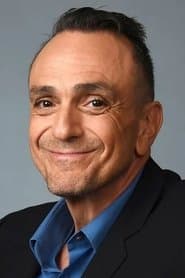
2.8
Hank Azaria
Moe Szyslak / Chief Wiggum / Apu / Comic Book Guy / Carl (voice)
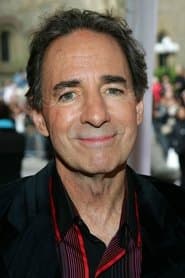
2.8
Harry Shearer
Ned Flanders / Mr. Burns / Smithers / Skinner / Lenny (voice)
You Might Also Like
Similar titles you might enjoy