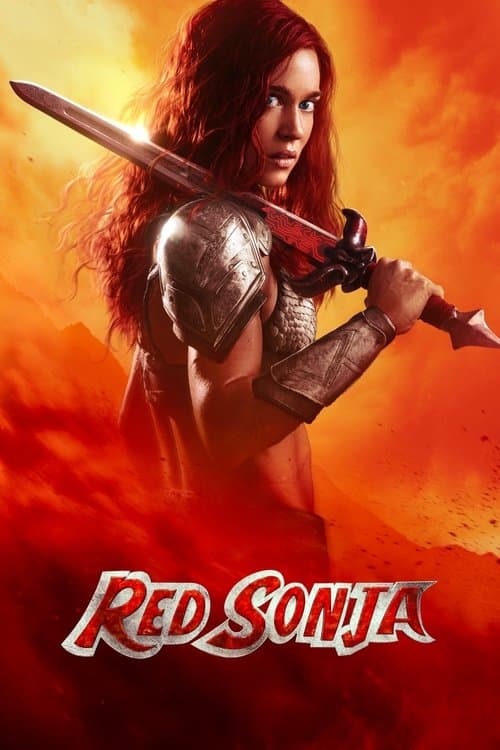
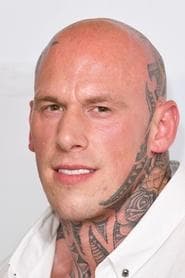
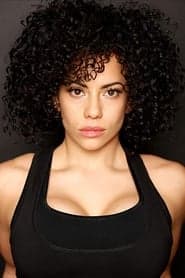
The Red Sonja adaptation features noticeable progressive influences through significant alterations to the source material, casting choices, and explicit creator statements prioritizing feminist empowerment over fidelity to the original comics. The film's core origin story—Red Sonja's family slaughtered and her raped, leading to a goddess-granted vow of chastity until meeting a superior warrior—is entirely excised in favor of a sanitized invasion of her homeland and worship of a forest goddess Ashera, emphasizing ecological healing and rallying diverse outcasts without the gritty sexual violence that defined the character. Lead actress Matilda Lutz publicly denounces the comics' 'male-gazed orientation' and touts the movie as 'very women-empowered,' subverting tropes by framing the iconic chainmail bikini as a symbol of tyrannical control that Sonja reclaims. Director M.J. Bassett, who is transgender, oversees this reframing, drawing from later comic runs while eliminating 'forced sexual backstory.' The cast includes organic leads but noticeable diversity in supporting roles, such as multiple Black actresses (Eliza Matengu, Danica Davis) and Martyn Ford as a hybrid general, fitting the 'army of outcasts' but clashing slightly with the Hyrkanian steppe warrior aesthetic. Themes of female empowerment, environmentalism, and unity among misfits permeate, with reviews noting feminist and ecological notes amid low-budget action. Pre-release backlash labeled it 'woke' for these changes and anti-male-gaze rhetoric, but post-release reception focuses more on poor CGI, dull scripting, and B-movie mediocrity (56% RT, 4.6/10 IMDb) than ideological overreach, indicating progressive elements shape the storytelling and intent without fully overwhelming the fantasy revenge plot.