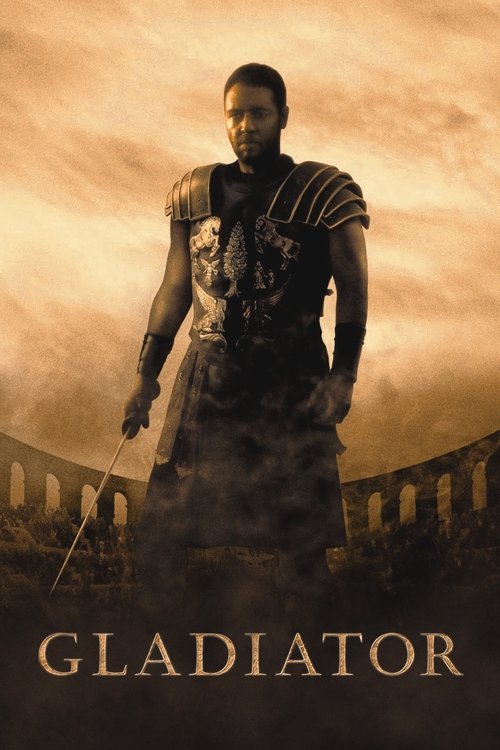
Gladiator (2000) is a classic epic focused purely on timeless themes of personal honor, revenge, family loyalty, and the fall of a corrupt empire, with no progressive ideological intrusions whatsoever. The storytelling remains firmly traditional, centering Russell Crowe's Maximus as a stoic Roman general betrayed by the petulant emperor Commodus, emphasizing individual heroism and moral virtue over any social justice messaging. Casting is historically plausible: protagonists are white Europeans fitting ancient Rome, while supporting gladiator Djimon Hounsou plays a Numidian warrior from North Africa, an organic inclusion given the diverse origins of real gladiators that adds to the film's spectacle without clashing or driving the narrative. No race-swapping, gender alterations, LGBTQ+ focal points, or lectures on systemic issues appear; villain Commodus's effeminacy serves character weakness, not modern identity politics. Ridley Scott's direction prioritizes entertainment and grandeur, earning universal acclaim and Oscars without creator statements pushing activism. Audience reception celebrates it as peak cinema, with zero notable backlash over 'wokeness'—a refreshing triumph of unadulterated storytelling that entertains across generations.