Wittgenstein
movie·NR·Mar 26, 1993·
Wittgenstein
movie
NR
March 26, 1993
Wokeometer Rating
4Mixed
Scale: 0 = not woke, 10 = maximally woke
TL;DR Verdict
Wittgenstein weaves the philosopher's documented homosexuality and a few stylized gay relationships into his personal and intellectual struggles, but keeps them secondary to the core focus on language, ideas, and Cambridge life. The result earns a moderate 4/10 for incidental representation that stays tied to history rather than activist messaging.
Paid creator placementsFeature your article or video on this page
Detailed Analysis
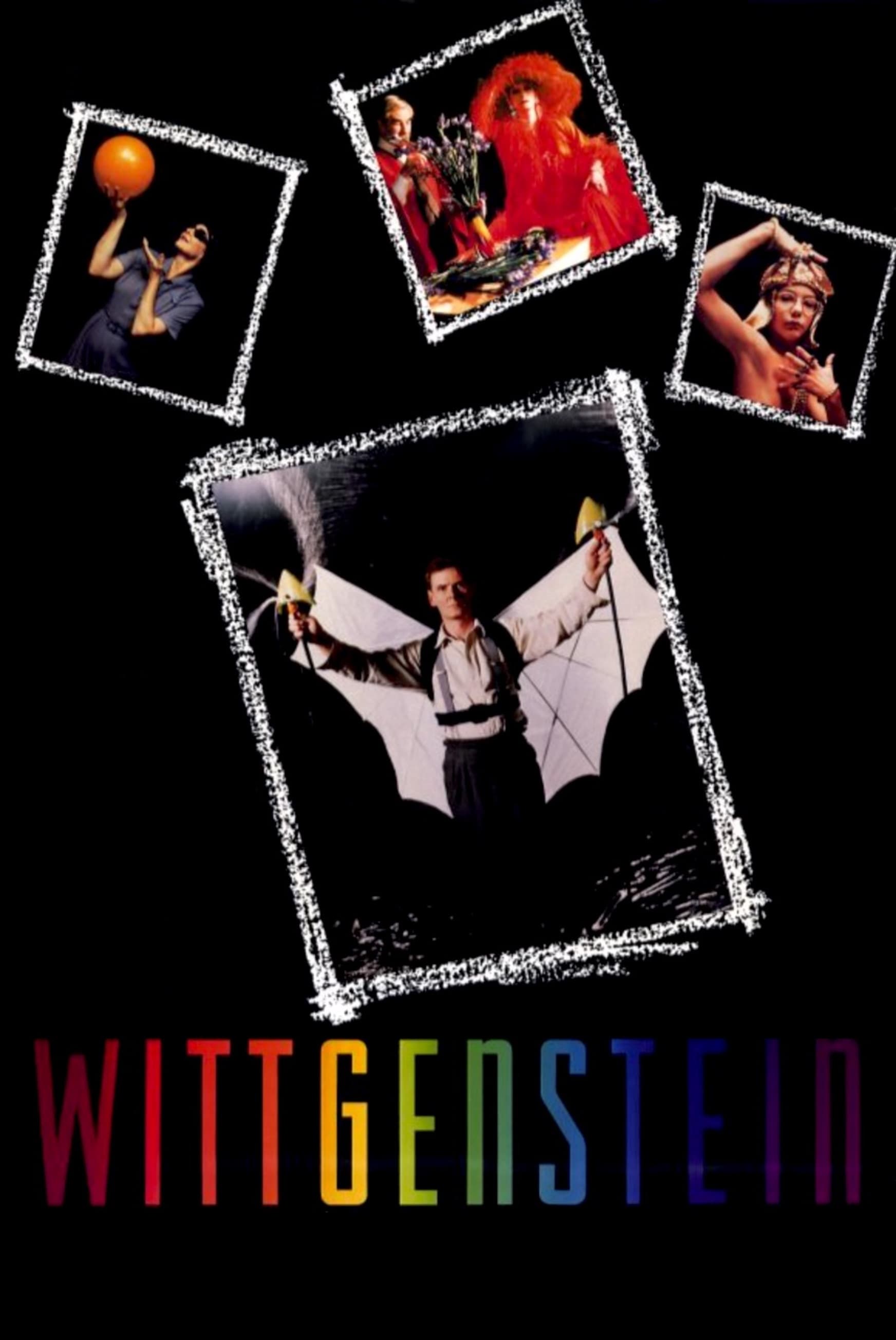
Wittgenstein (1993) is an experimental biopic dramatizing the life and philosophical ideas of Ludwig Wittgenstein through stylized theatrical sketches against a black backdrop.
The narrative centers on his intellectual development, relationships with figures like Bertrand Russell and John Maynard Keynes, wartime service, teaching, and evolving views on language, with homosexuality depicted as a source of personal repression and torment that parallels his philosophical struggles. Derek Jarman, the openly gay director, incorporates a chaste kiss between Wittgenstein and the student character Johnny, portrays Keynes as flamboyantly gay, and frames the philosopher's desires within Cambridge's social circles, but these elements run parallel to the core exposition of ideas rather than driving the premise or serving as overt social commentary.
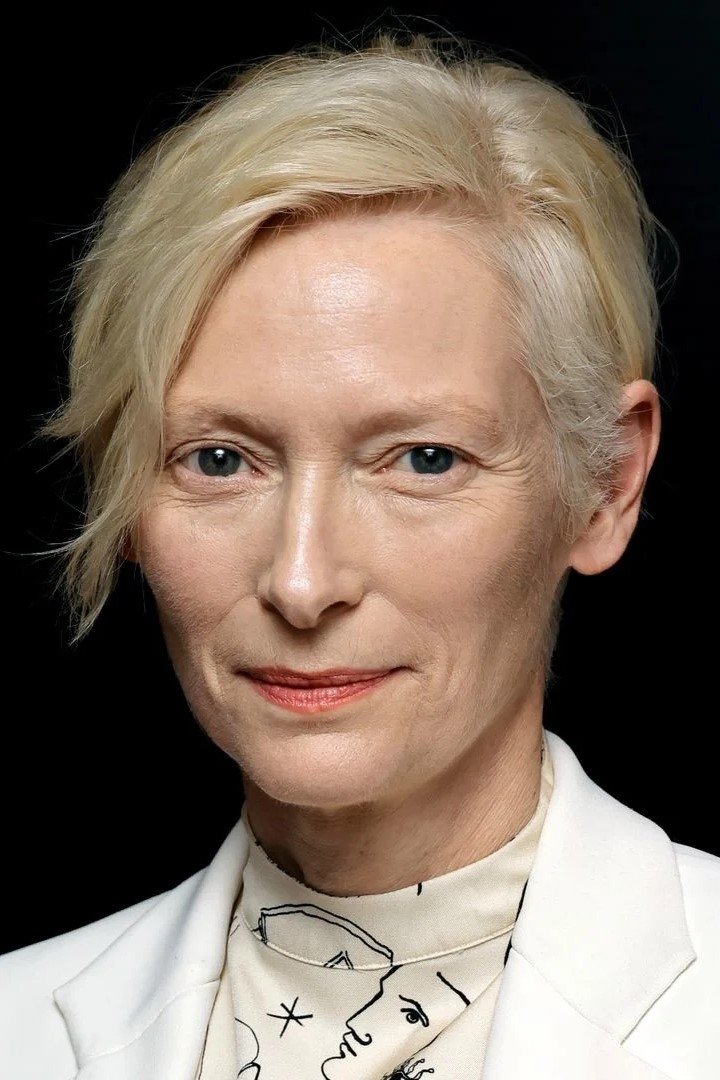
No established characters from prior source material are race- or gender-swapped; the film is a loose biographical adaptation of a real historical figure whose documented homosexuality is integrated into the character arc without modern identity-politics framing or systemic-oppression lectures. Casting aligns with historical sexes and roles, including Tilda Swinton as the female Lady Ottoline Morrell and male actors in male parts. Creator intent reflects Jarman's signature queer-inflected style seen in prior works like Edward II, yet the 72-minute runtime prioritizes philosophical tableaux and wry humor over activist messaging.
Reception highlights the "gay subtext" and festival appeal to lesbian and gay audiences without widespread controversy or claims of prioritizing message over story. The elements qualify as noticeable but not foundational, fitting incidental-to-significant representation tied to the subject's documented life rather than contemporary ideological centrality.
Key Factors
- Prominent but parallel depiction of Wittgenstein's repressed homosexuality and a chaste same-sex kiss as part of personal torment
- Director Derek Jarman's established queer thematic approach in a 1993 experimental biopic
- No source-material character alterations, DEI mandates, or modern social justice framing; philosophy and life events remain central
- Historical accuracy to the subject's sexuality without activist overlay or audience backlash as ideological
Methodology: Each score synthesizes audience discourse, critic and aggregator reception, and press coverage — weighed against the work itself, not any single source.
Pro BreakdownPro
Identity Politics & Racial Essentialism
Gender Ideology & LGBTQ+ Themes
DEI Casting & Representation Mandates
Preachiness & Message-First Agenda
Corporate & Creator Activism
See how this title scores across all 5 woke subcategories with detailed explanations.
Unlock with ProFrom $3/month · 3-day trial for $1
The Woke Report
A curated roundup of newly scored movies, shows, and games, with the context behind the scores. Free. Unsubscribe anytime.
Privacy policyDirected by
Is Wittgenstein Woke?
We've run a full content analysis on Wittgenstein and scored it 4/10 on the woke scale. Read our detailed breakdown above to see exactly what we found.
Frequently Asked Questions
What kind of woke content is in Wittgenstein?
Our analysis checks for themes like identity politics, race-swapping, gender ideology, environmental activism, anti-religious messaging, and other progressive agenda elements. The score breakdown above shows which specific categories were flagged and how heavily they factor into Wittgenstein's overall score.
Is Wittgenstein family-friendly?
Wokeometer focuses on ideological content rather than traditional ratings (violence, language, etc.). Wittgenstein is rated NR. For a full picture, combine our woke analysis with the age rating to decide if it's right for your family.
How does Wokeometer score movies?
We evaluate media across multiple ideological categories on a 0–10 scale. Scores of 0–3 mean story-first, 4–6 have moderate elements, and 7–10 flag heavily agenda-driven content. Learn more about our methodology →