Box Office
Hit · 3.7xBudget$10M
Worldwide Gross$36.7M
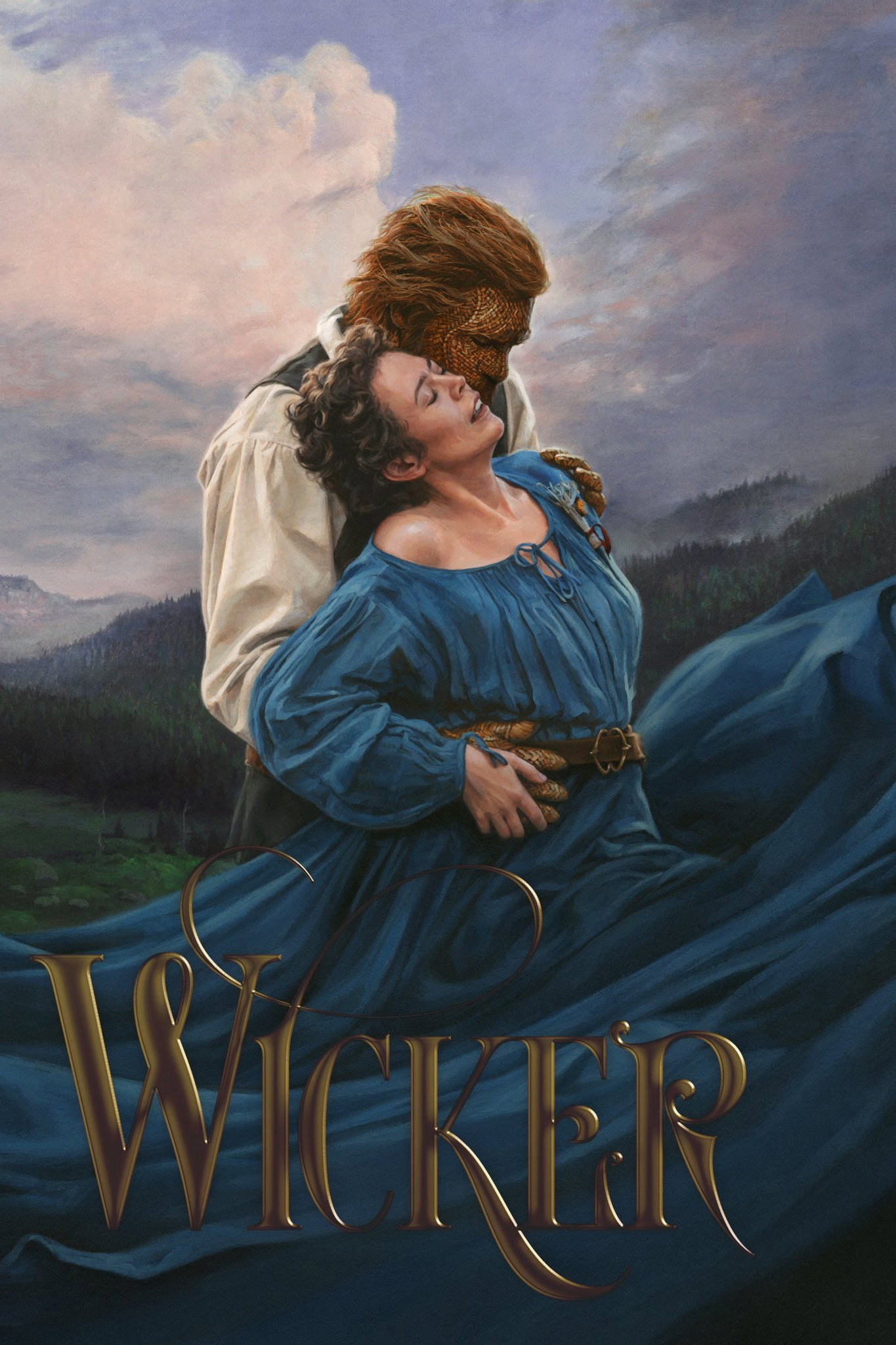
Wicker
movie·R·Oct 23, 2026·
Box OfficeHit · 3.7x
$10M
Budget
$36.7M
Gross
Wicker
movie
R
October 23, 2026
Wokeometer Rating
7Woke
Scale: 0 = not woke, 10 = maximally woke
TL;DR Verdict
Wicker pushes a 7/10 woke agenda by framing its Fisherwoman lead as an independent outsider battling patriarchal village norms. The heavy emphasis on autonomy-versus-tradition messaging makes it best avoided.
Paid creator placementsFeature your article or video on this page
Detailed Analysis
Supplied research confirms an original Fisherwoman character portrayed as independent and ostracized within a patriarchal village setting, alongside an original Wicker Husband role, with both described as new characters from a short story adaptation rather than established canon.
No verified cross-sex casting or source-material changes appear in the normalized status fields, leaving all comparison and performerFacts entries unresolved and preventing any established-character change floor from applying. The village context and independent female lead introduce progressive ideological elements centered on autonomy amid traditional norms, yet the absence of confirmed plot details, creator statements, or explicit messaging in the research record creates material uncertainty about centrality and intensity.
These factors support noticeable but not overwhelming embedding of critiques of patriarchal structures without elevating to foundational premise status. Reception, casting prominence, and thematic execution cannot be further assessed from the bounded findings alone. The score reflects the confirmed portrayal elements while explicitly accounting for unresolved premises that preclude stronger classification.
Casting evidence: Casting research is incomplete or contains unresolved comparisons; overall casting fidelity has not been established. Documented credits include Olivia Colman as Fisherwoman; Alexander Skarsgård as Wicker Husband. The casting comparison for Olivia Colman as Fisherwoman remains unresolved. The casting comparison for Alexander Skarsgård as Wicker Husband remains unresolved.
Official assessment: This is the scheduled next-day assessment of the context available at analysis time; it does not imply that the complete work or season has been reviewed. Reported coverage is substantial. Evidence confidence is low or unreported. Reported limitations: Full plot details from Wikipedia marked as needing improvement Pre-release hype and memes noted but post-release reviews form primary evidence
Key Factors
- Original Fisherwoman lead portrayed as independent in patriarchal village (confirmed)
- Wicker Husband as original fantastical character (confirmed)
- No established source roles or cross-sex casting confirmed (all comparisons unresolved)
- Patriarchal village framing present but centrality to premise uncertain due to limited record
Methodology: Each score synthesizes audience discourse, critic and aggregator reception, and press coverage — weighed against the work itself, not any single source.
Pro BreakdownPro
Free Preview1 of 5 categories unlocked
Corporate & Creator Activism1
No documented creator statements, studio DEI initiatives, or marketing focused on progressive credentials; any ideological elements appear tied to the story premise rather than external activism.
Identity Politics & Racial Essentialism
Gender Ideology & LGBTQ+ Themes
DEI Casting & Representation Mandates
Preachiness & Message-First Agenda
Unlock the other 4 categories — including Identity Politics and Gender Ideology — with detailed explanations.
Unlock with ProFrom $3/month · 3-day trial for $1
The Woke Report
A curated roundup of newly scored movies, shows, and games, with the context behind the scores. Free. Unsubscribe anytime.
Privacy policyDirected by
Is Wicker Woke?
We've run a full content analysis on Wicker and scored it 7/10 on the woke scale. Read our detailed breakdown above to see exactly what we found.
Frequently Asked Questions
What kind of woke content is in Wicker?
Our analysis checks for themes like identity politics, race-swapping, gender ideology, environmental activism, anti-religious messaging, and other progressive agenda elements. The score breakdown above shows which specific categories were flagged and how heavily they factor into Wicker's overall score.
Is Wicker family-friendly?
Wokeometer focuses on ideological content rather than traditional ratings (violence, language, etc.). Wicker is rated R. For a full picture, combine our woke analysis with the age rating to decide if it's right for your family.
How does Wokeometer score movies?
We evaluate media across multiple ideological categories on a 0–10 scale. Scores of 0–3 mean story-first, 4–6 have moderate elements, and 7–10 flag heavily agenda-driven content. Learn more about our methodology →