We Grown Now
movie·PG·May 10, 2024·
We Grown Now
movie
PG
May 10, 2024
Wokeometer Rating
5Mixed
Scale: 0 = not woke, 10 = maximally woke
TL;DR Verdict
The film's moderate 5/10 reflects its noticeable framing of systemic challenges and authority critiques within a coming-of-age story, though these remain secondary to the central friendship and personal growth.
Paid creator placementsFeature your article or video on this page
Detailed Analysis
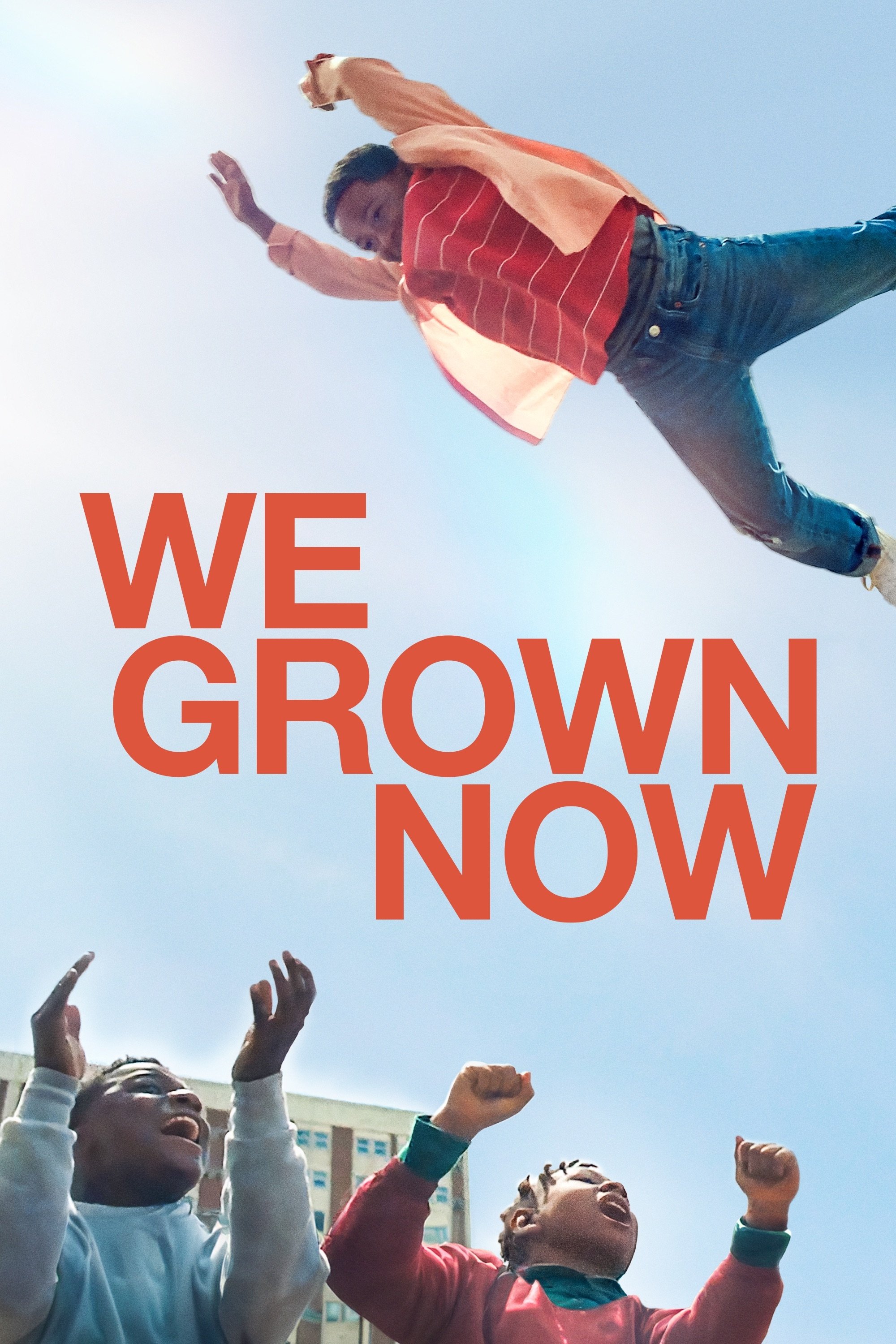
We Grown Now centers on the friendship and coming-of-age of two original Black boy characters, Malik and Eric, in 1992 Cabrini-Green public housing.
Their story of play, family bonds, and facing a community tragedy draws directly from the real 1992 shooting of Dantrell Davis, with plot elements including police raids, ID requirements, and family relocation for opportunity. These frame systemic racism and over-policing as explicit influences, with the boys visiting the Art Institute and connecting paintings to systemic racism, plus scenes of them shouting 'I exist!' amid oppression.
Director Minhal Baig, after years interviewing residents, intentionally balances hardship with joy, love, and imagination from the children's perspective to humanize the community and challenge one-sided narratives of violence. This produces noticeable progressive framing around racial marginalization, single-parent Black families, and critiques of authority responses, shaping subplots and emotional arcs without making ideology the sole premise.
Casting uses fitting original characters for the historical Black Chicago setting with no swaps or clashes. Reception highlights the lyrical tone and humanity over preachiness, with strong critic scores but no widespread 'woke' backlash. The social elements are prominent yet secondary to the core friendship and growth narrative, placing the score in the noticeable-but-not-central band.
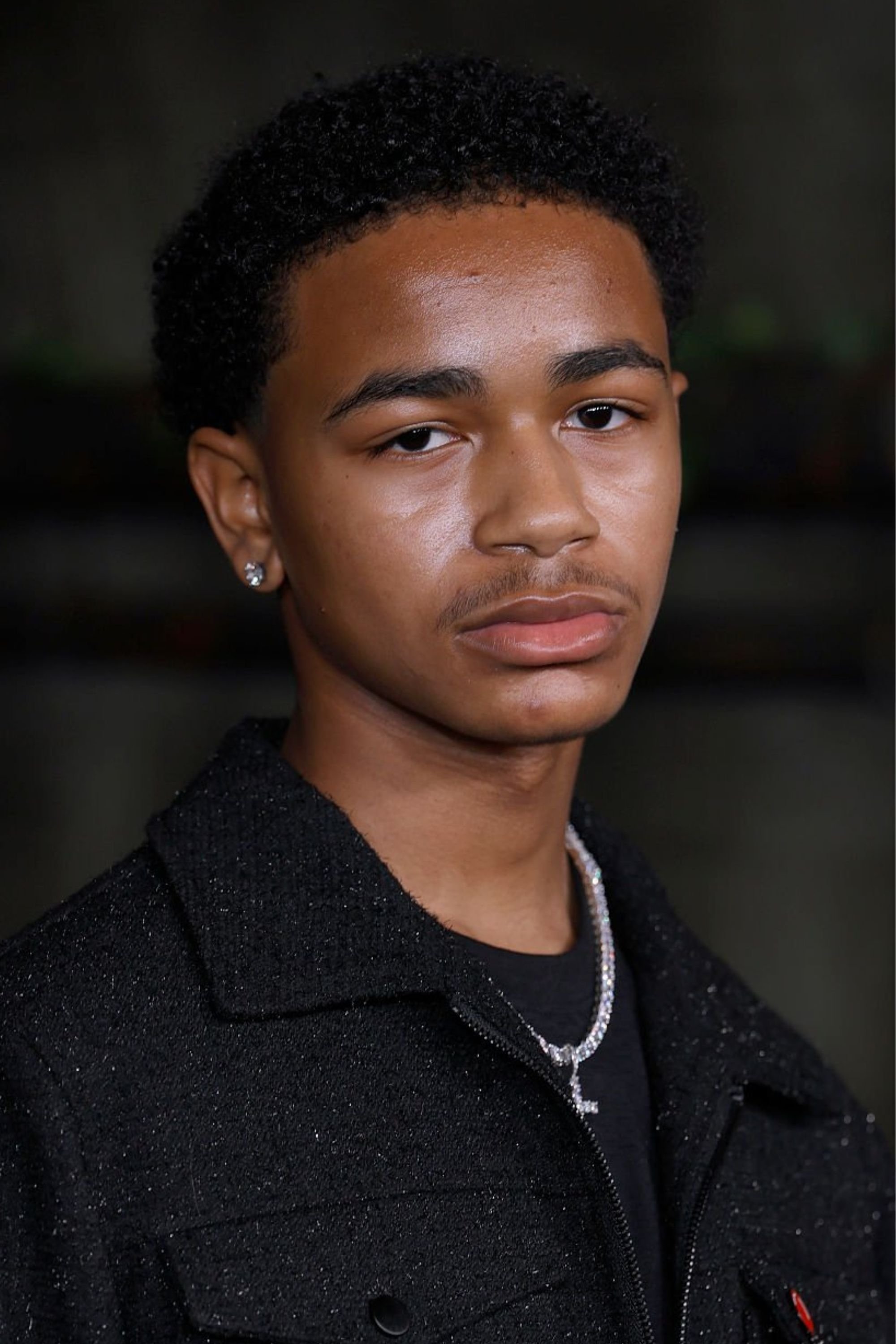
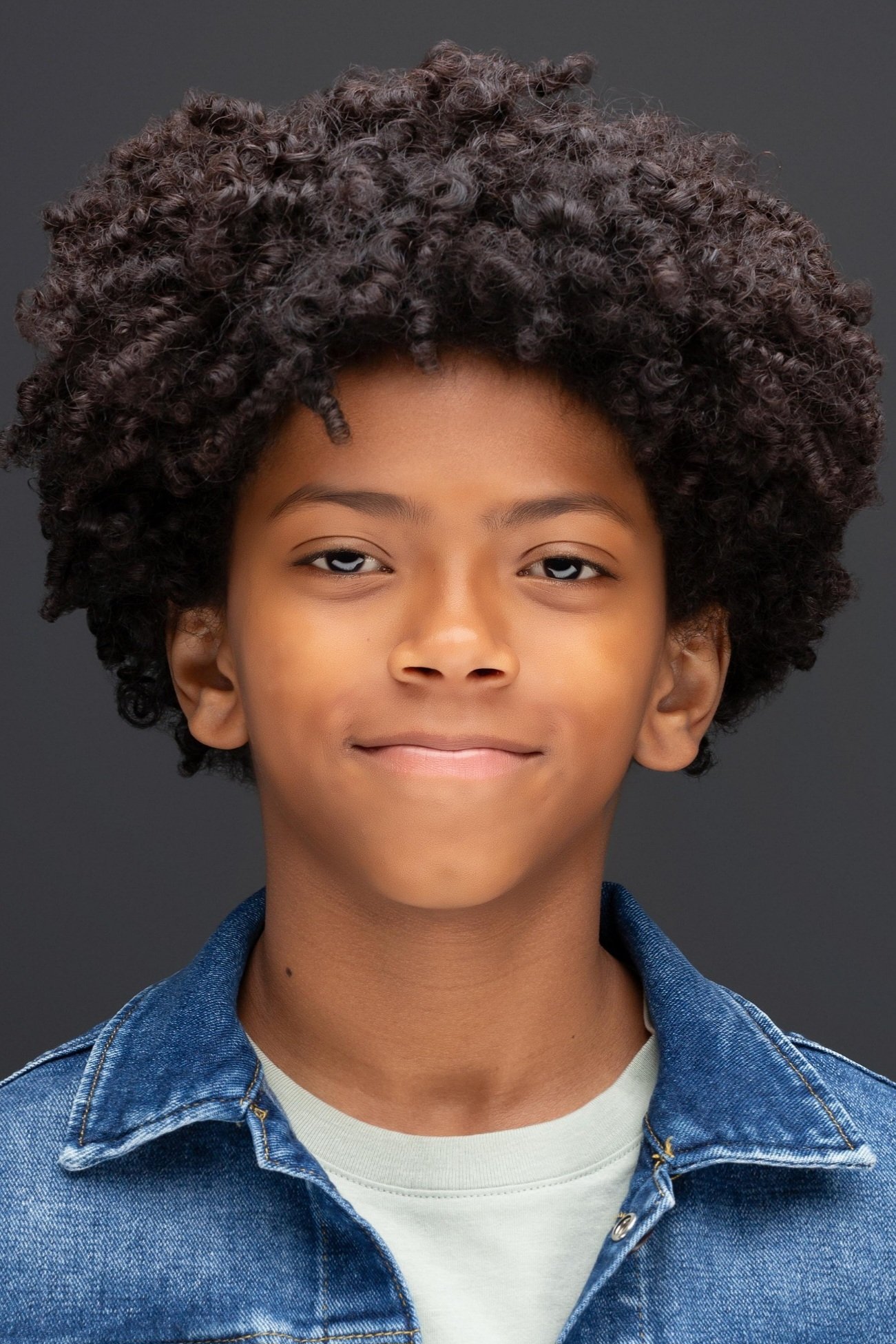
Casting evidence: Casting research is incomplete or contains unresolved comparisons; overall casting fidelity has not been established. Documented credits include Blake Cameron James as Malik; Gian Knight Ramirez as Eric. The casting comparison for Blake Cameron James as Malik remains unresolved. The casting comparison for Gian Knight Ramirez as Eric remains unresolved.
Key Factors
- Prominent themes of systemic racism, police raids, and racial violence tied to real 1992 events and boys' realizations
- Director intent to portray both struggle and community joy/humanity via kids' eyes, researched with residents
- Original characters and casting fully aligned with Cabrini-Green Black community setting; no established role changes
- Social commentary influences subplots and arcs but friendship/coming-of-age remains primary driver
Methodology: Each score synthesizes audience discourse, critic and aggregator reception, and press coverage — weighed against the work itself, not any single source.
Pro BreakdownPro
Identity Politics & Racial Essentialism
Gender Ideology & LGBTQ+ Themes
DEI Casting & Representation Mandates
Preachiness & Message-First Agenda
Corporate & Creator Activism
See how this title scores across all 5 woke subcategories with detailed explanations.
Unlock with ProFrom $3/month · 3-day trial for $1
The Woke Report
A curated roundup of newly scored movies, shows, and games, with the context behind the scores. Free. Unsubscribe anytime.
Privacy policyDirected by
Is We Grown Now Woke?
We've run a full content analysis on We Grown Now and scored it 5/10 on the woke scale. Read our detailed breakdown above to see exactly what we found.
Frequently Asked Questions
What kind of woke content is in We Grown Now?
Our analysis checks for themes like identity politics, race-swapping, gender ideology, environmental activism, anti-religious messaging, and other progressive agenda elements. The score breakdown above shows which specific categories were flagged and how heavily they factor into We Grown Now's overall score.
Is We Grown Now family-friendly?
Wokeometer focuses on ideological content rather than traditional ratings (violence, language, etc.). We Grown Now is rated PG. For a full picture, combine our woke analysis with the age rating to decide if it's right for your family.
How does Wokeometer score movies?
We evaluate media across multiple ideological categories on a 0–10 scale. Scores of 0–3 mean story-first, 4–6 have moderate elements, and 7–10 flag heavily agenda-driven content. Learn more about our methodology →